

Andarríos Bastardo vs Archibebe Oscuro
Tringa glareola frente a Tringa erythropus
Juega un quiz con Andarríos Bastardo y Archibebe Oscuro
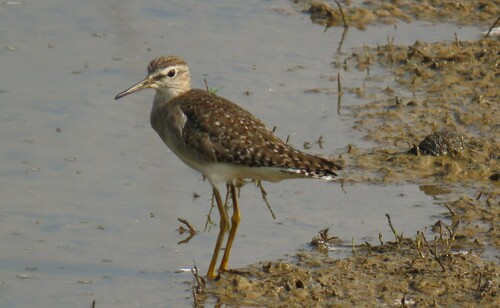 Andarríos Bastardo
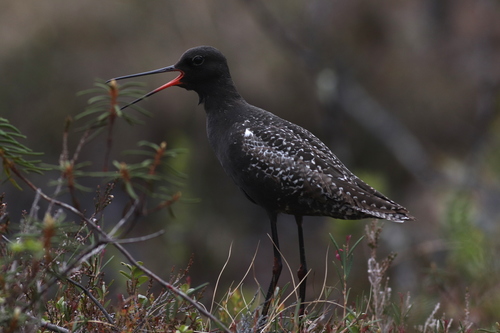 Archibebe Oscuro
En breve
La forma más confiable de separar el Andarríos Bastardo del Archibebe Oscuro es por tamaño y estructura: el Archibebe Oscuro es mucho más grande y pesado, con un pico largo y recto y patas rojas sorprendentemente largas, mientras que el Andarríos Bastardo es más delicado, con un pico más fino y corto y patas amarillentas. En vuelo, el Archibebe Oscuro muestra un óvalo blanco audaz en la espalda, mientras que el Andarríos Bastardo tiene una rabadilla blanca mucho menos contrastante. Los plumajes juveniles y no reproductivos pueden causar confusión, pero los juveniles de Archibebe Oscuro son más grandes, con un fino moteado blanco arriba y partes inferiores pálidas y barradas, en comparación con la apariencia más apagada y moteada de marrón del Andarríos Bastardo. El hábitat puede ayudar: el Andarríos Bastardo prefiere bordes de agua dulce y humedales, mientras que el Archibebe Oscuro se encuentra más a menudo en humedales más grandes y abiertos y ocasionalmente en sitios costeros.
Consejos de identificación
- El tamaño es la primera verificación: El Archibebe Oscuro es mucho más grande y pesado que el Andarríos Bastardo; usa esto especialmente cuando las aves están juntas, pero incluso individualmente, busca la impresión de patas largas, pico largo y majestuoso.
- Color y longitud de las patas: El Archibebe Oscuro tiene patas largas y rojas brillantes (oscureciéndose en plumaje de cría), mientras que las patas del Andarríos Bastardo son distintivamente amarillentas y proporcionalmente más cortas.
- Forma y color del pico: El pico del Archibebe Oscuro es largo, recto y de base roja, a menudo parece más pesado que el pico más corto, más fino y completamente oscuro del Andarríos Bastardo.
- Patrón de vuelo – blanco en la espalda: En vuelo, el Archibebe Oscuro muestra un óvalo blanco audaz en la espalda, visible a distancia. La rabadilla blanca del Andarríos Bastardo es más pequeña y menos llamativa.
- Plumaje juvenil/inmaduro: Los juveniles de Archibebe Oscuro son de color marrón grisáceo con fino moteado blanco arriba y partes inferiores pálidas y finamente barradas. Los juveniles del Andarríos Bastardo son marrones arriba con manchas más pequeñas y difusas y carecen de las barreras nítidas por debajo.
- Plumaje de cría: Los adultos de Archibebe Oscuro se vuelven negros o gris oscuros con manchas blancas y patas oscuras en la temporada de cría, únicos entre los archibebes. El Andarríos Bastardo permanece de color marrón claro y moteado, con patas amarillentas.
- Plumaje no reproductivo: El Archibebe Oscuro es muy pálido en invierno, pero sigue siendo más grande y con patas más largas que el Andarríos Bastardo, que permanece marrón y moteado.
- Preferencia de hábitat: El Andarríos Bastardo está casi siempre en hábitats de agua dulce, mientras que el Archibebe Oscuro se puede encontrar en humedales más grandes y abiertos y a veces en áreas costeras, especialmente durante la migración.
- Estilo de alimentación: El Archibebe Oscuro a menudo se adentra más y se alimenta con un movimiento de barrido; el Andarríos Bastardo se alimenta en el borde, sondeando ligeramente y moviéndose con agilidad.
- Voz: El silbido chirriante del Archibebe Oscuro y su alarma aguda son distintivos si se escuchan; los llamados del Andarríos Bastardo son más suaves y menos llamativos.
- Jizz: El Andarríos Bastardo parece delicado y ligero, mientras que el Archibebe Oscuro es alto, erguido y elegante.
- Trampas con aves distantes: A larga distancia, un Archibebe Oscuro pálido puede parecerse a un Andarríos Bastardo, pero el tamaño, la longitud de las patas y el patrón de vuelo deberían resolver la identificación.
- Cuando las marcas fallan: En mala luz o a gran distancia, concéntrate en el tamaño relativo, el color de las patas y el patrón de vuelo para la separación más confiable.
- Sin superposición en plumaje de cría: Un wader de cuerpo negro y manchas blancas en primavera es siempre un Archibebe Oscuro; el Andarríos Bastardo nunca muestra este plumaje.
- Sin dimorfismo sexual fuerte: Ambas especies muestran plumajes similares en ambos sexos, por lo que el sexo no es una marca de campo útil.
Tamaño
El Archibebe Oscuro pesa más del doble que el Andarríos Bastardo (151.5g vs 67.5g) y es visiblemente más grande en el campo. Es un wader grande y de patas largas, mientras que el Andarríos Bastardo es el más pequeño de los archibebes, apareciendo mucho más delicado y compacto. La diferencia es especialmente obvia cuando ambas especies se ven juntas, pero incluso individualmente, las patas y el pico largos del Archibebe Oscuro son distintivos. El Andarríos Bastardo es notablemente más pequeño, con una constitución más ligera y ágil.
Plumaje
- Aves juveniles/inmaduras: Los juveniles de Archibebe Oscuro son de color marrón grisáceo arriba con fino moteado blanco y partes inferiores pálidas y finamente barradas. En contraste, los juveniles e inmaduros del Andarríos Bastardo son marrones arriba con manchas más pequeñas y difusas y carecen de las barreras nítidas por debajo. En vuelo, el Archibebe Oscuro muestra un óvalo blanco prominente en la espalda, mientras que la mancha de la rabadilla del Andarríos Bastardo es más pequeña y menos contrastante.
- Adultos en cría: Los adultos de Archibebe Oscuro son strikingly black or dark grey with white spots in breeding plumage, and their legs turn dark grey. Los adultos del Andarríos Bastardo en plumaje de cría son de color marrón claro arriba con moteado más oscuro y patas amarillentas, nunca mostrando el aspecto completamente oscuro del Archibebe Oscuro.
- Adultos no reproductivos: El Archibebe Oscuro se vuelve muy pálido en invierno, pero sigue siendo más grande con patas y pico rojos. El Andarríos Bastardo permanece marrón y moteado, con patas amarillentas. El óvalo blanco en la espalda del Archibebe Oscuro en vuelo sigue siendo una marca clave en todos los plumajes.
- Muda: Ambas especies tienen estrategias de muda complejas, pero esto no se ve fácilmente en el campo excepto por la clara diferencia en los plumajes juveniles y adultos.
Comportamiento
El Andarríos Bastardo es más probable que se vea alimentándose activamente en el borde de aguas dulces poco profundas, sondeando con su pico más corto y moviéndose con un andar ligero y ágil. El Archibebe Oscuro a menudo se adentra más, usando su pico más largo para sondear y barrer, y puede parecer más majestuoso o deliberado en su movimiento. Ambas especies pueden ser cautelosas, pero el mayor tamaño y las patas más largas del Archibebe Oscuro hacen que su estilo de alimentación sea más distintivo cuando se observan lado a lado.
Hábitat
El Andarríos Bastardo está fuertemente asociado con hábitats de agua dulce: pantanos, praderas húmedas, bordes de lagos y márgenes de ríos. Evita ambientes costeros y salinos. El Archibebe Oscuro, aunque también utiliza humedales de agua dulce, es más versátil y se puede encontrar en humedales más grandes y abiertos y a veces en sitios costeros, especialmente durante la migración. Si encuentras un wader pequeño y delicado en un charco de agua dulce fangoso, es más probable que sea un Andarríos Bastardo; un wader grande y de patas largas en un humedal amplio y abierto o en una laguna costera puede ser un Archibebe Oscuro.
Voz
El Archibebe Oscuro emite un silbido chirriante distintivo 'teu-it' y una alarma 'kyip-kyip-kyip', que son bastante diferentes de los llamados más suaves y típicos del Andarríos Bastardo. Sin embargo, las vocalizaciones no siempre se escuchan y pueden ser menos confiables a menos que el ave esté llamando con frecuencia.