

Motmot

タカブシギ 対 ツルシギ

Tringa glareola 対 Tringa erythropus

タカブシギとツルシギのクイズ
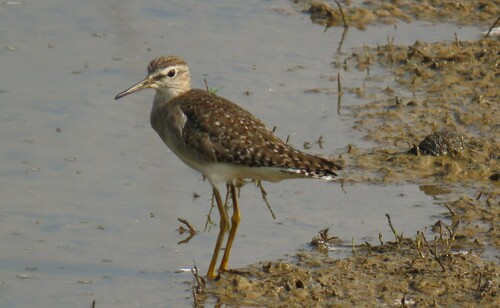
タカブシギ (Tringa glareola) タカブシギ
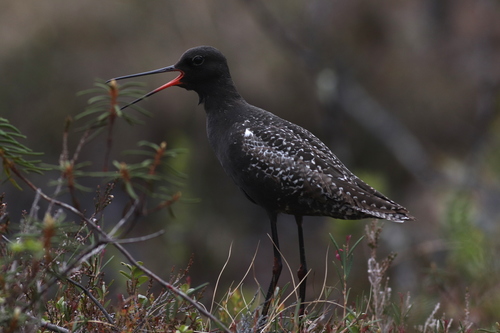
ツルシギ (Tringa erythropus) ツルシギ

メディア

読み込み中…

要点

タカブシギとツルシギを区別する最も信頼できる方法は、サイズと構造によるものです:ツルシギははるかに大きく重く、長くまっすぐなくちばしと目を引くほど長い赤い脚を持っていますが、タカブシギはより繊細で、細く短いくちばしと黄味がかった脚を持っています。飛行中、ツルシギは背中に大胆な白い楕円を示しますが、タカブシギの白い尻は対照的ではありません。幼鳥と非繁殖羽衣は混乱を引き起こす可能性がありますが、ツルシギの幼鳥はより大きく、上部に細かい白い斑点があり、淡い縞模様のある腹部を持ち、タカブシギのより控えめでまだらな茶色の外観と比較されます。生息地も役立ちます:タカブシギは淡水と湿地の縁を好み、ツルシギはより大きな開けた湿地や時折沿岸の場所で見られることが多いです。

識別のコツ

  1. サイズが最初のチェックです: ツルシギはタカブシギよりもはるかに大きく重いです;特に鳥が一緒にいるときにこれを使用しますが、単独でも、長い脚と長いくちばしの威厳のある印象を探してください。
  2. 脚の色と長さ: ツルシギは長く明るい赤い脚を持ち(繁殖羽衣では暗くなります)、タカブシギの脚は明確に黄味がかっており、相対的に短いです。
  3. くちばしの形と色: ツルシギのくちばしは長く、まっすぐで、赤い基部を持ち、タカブシギの短くて細い全黒のくちばしよりも重く見えることがよくあります。
  4. 飛行パターン – 背中の白: 飛行中、ツルシギは背中に大胆な白い楕円を示し、遠くからでも見えます。タカブシギの白い尻は小さく、目立ちません。
  5. 幼鳥/未成熟羽衣: ツルシギの幼鳥は灰褐色で、上部に細かい白い斑点があり、淡い、細かい縞模様のある腹部を持っています。タカブシギの幼鳥は上部が茶色で、拡散した小さな斑点とまだら模様があり、下部の鮮明な縞模様がありません。
  6. 繁殖羽衣: ツルシギの成鳥は繁殖期に黒または暗灰色になり、白い斑点と暗い脚を持ち、シギの中でユニークです。タカブシギは明るい茶色でまだら模様があり、黄味がかった脚を持ち、ツルシギの全暗色の外観は決して示しません。
  7. 非繁殖羽衣: ツルシギは冬に非常に淡くなりますが、タカブシギよりも大きく、脚とくちばしは赤いままです。タカブシギは茶色がかってまだら模様のままで、黄味がかった脚を持っています。飛行中のツルシギの背中の白い楕円は、すべての羽衣での重要な特徴です。
  8. 生息地の好み: タカブシギはほぼ常に淡水の生息地にいますが、ツルシギはより大きな開けた湿地や時折沿岸の場所で見られることがあります、特に渡りの際に。
  9. 採餌スタイル: ツルシギはしばしば深く足を浸し、スイープ動作で採餌します;タカブシギは縁で軽く探りながら、敏捷に動きます。
  10. 声: ツルシギのきしむような口笛と鋭い警報音は、聞こえれば特徴的です;タカブシギの呼び声は柔らかく、あまり目立ちません。
  11. 印象: タカブシギは繊細で浮遊感があり、ツルシギは背が高く、直立していて優雅です。
  12. 遠くの鳥の落とし穴: 遠距離では、淡いツルシギがタカブシギに似て見えることがありますが、サイズ、脚の長さ、飛行パターンで同定が解決されるべきです。
  13. マークが失敗したとき: 照明が悪い場合や遠くで、最も信頼できる区別のために相対的なサイズ、脚の色、飛行パターンに焦点を当ててください。
  14. 繁殖羽衣に重複なし: 春に黒い体に白い斑点のあるシギは常にツルシギです;タカブシギはこの羽衣を示しません。
  15. 強い性差はない: 両種は両性で似た羽衣を示すため、性別は有用なフィールドマークではありません。

大きさ

ツルシギはタカブシギの2倍以上の重さ(151.5g対67.5g)で、フィールドで明らかに大きいです。ツルシギは大きく長脚のシギであり、タカブシギはシギの中で最も小さく、はるかに繊細でコンパクトに見えます。両種が一緒に見られるときに特に違いが明らかですが、単独でも、ツルシギの長い脚とくちばしは特徴的です。タカブシギは明らかに小さく、より軽く、敏捷な体型をしています。

羽色

行動

タカブシギは浅い淡水の縁で積極的に採餌しているのが見られる可能性が高く、短いくちばしで探りながら軽やかで敏捷な歩き方をします。ツルシギはしばしば深く足を浸し、長いくちばしを使って探りながらスイープし、動きがより威厳があるか、意図的に見えることがあります。両種は警戒心が強いことがありますが、ツルシギの大きなサイズと長い脚は、並んで観察したときにその採餌スタイルをより特徴的にします。

生息環境

タカブシギは淡水の生息地、すなわち湿地、湿った草地、湖の縁、河岸に強く関連しています。沿岸や塩分のある環境は避けます。ツルシギは淡水の湿地も利用しますが、より多様であり、より大きな開けた湿地や時折沿岸の場所、特に渡りの際に見られます。泥の淡水プールで小さく繊細なシギを見つけた場合、タカブシギの可能性が高いです;広く開けた湿地や沿岸の潟にいる大きく長脚のシギはツルシギかもしれません。

声

ツルシギは特徴的なきしむような口笛「テウイット」と警報音「キップキップキップ」を出し、これはタカブシギのより柔らかく、より典型的なシギの呼び声とはかなり異なります。しかし、声は常に聞こえるわけではなく、鳥が頻繁に鳴いていない限り、あまり信頼できないことがあります。

より良い説明を送る

比較と同じ項目を使ってください。文章はすぐに公開されます。

The most reliable way to separate Wood Sandpiper from Spotted Redshank is by size and structure: Spotted Redshank is much larger and heavier, with a long, straight bill and strikingly long red legs, while Wood Sandpiper is daintier, with a finer, shorter bill and yellowish legs. In flight, Spotted Redshank shows a bold white oval on the back, while Wood Sandpiper has a much less contrasting white rump. Juvenile and nonbreeding plumages can cause confusion, but Spotted Redshank juveniles are larger, with fine white speckling above and pale, barred underparts, compared to the Wood Sandpiper's more subdued, mottled brown appearance. Habitat can help: Wood Sandpiper prefers freshwater and wetland edges, while Spotted Redshank is more often found in larger, open wetlands and occasionally coastal sites.

  1. Size is the first check: Spotted Redshank is much larger and heavier than Wood Sandpiper; use this especially when birds are together, but even singly, look for the long-legged, long-billed, stately impression.
  2. Leg color and length: Spotted Redshank has long, bright red legs (darkening in breeding plumage), while Wood Sandpiper's legs are distinctly yellowish and proportionally shorter.
  3. Bill shape and color: Spotted Redshank's bill is long, straight, and red-based, often appearing heavier than Wood Sandpiper's shorter, finer, all-dark bill.
  4. Flight pattern – white on back: In flight, Spotted Redshank shows a bold white oval on the back, visible at a distance. Wood Sandpiper's white rump is smaller and less striking.
  5. Juvenile/immature plumage: Spotted Redshank juveniles are grey-brown with fine white speckling above and pale, finely barred underparts. Wood Sandpiper juveniles are brown above with diffuse, smaller spots and lack the crisp barring below.
  6. Breeding plumage: Spotted Redshank adults become black or dark grey with white spots and dark legs in breeding season—unique among shanks. Wood Sandpiper remains light brown and mottled, with yellowish legs.
  7. Nonbreeding plumage: Spotted Redshank is very pale in winter but still larger and longer-legged than Wood Sandpiper, which remains brownish and mottled.
  8. Habitat preference: Wood Sandpiper is almost always in freshwater habitats, while Spotted Redshank can be found in larger, open wetlands and sometimes coastal areas, especially on passage.
  9. Feeding style: Spotted Redshank often wades deeper and feeds with a sweeping motion; Wood Sandpiper feeds at the edge, probing lightly and moving with agility.
  10. Voice: Spotted Redshank's creaking whistle and sharp alarm are distinctive if heard; Wood Sandpiper's calls are softer and less striking.
  11. Jizz: Wood Sandpiper appears dainty and buoyant, while Spotted Redshank is tall, upright, and elegant.
  12. Pitfalls with distant birds: At long range, a pale Spotted Redshank can look similar to a Wood Sandpiper, but size, leg length, and flight pattern should resolve the ID.
  13. When marks fail: In poor light or at great distance, focus on relative size, leg color, and flight pattern for the most reliable separation.
  14. No overlap in breeding plumage: A black-bodied, white-spotted wader in spring is always Spotted Redshank; Wood Sandpiper never shows this plumage.
  15. No strong sexual dimorphism: Both species show similar plumage in both sexes, so sex is not a useful field mark.

Spotted Redshank is more than twice as heavy as Wood Sandpiper (151.5g vs 67.5g) and visibly larger in the field. It is a large, long-legged wader, while Wood Sandpiper is the smallest of the shanks, appearing much more delicate and compact. The difference is especially obvious when both species are seen together, but even singly, Spotted Redshank's long legs and bill are distinctive. Wood Sandpiper is noticeably smaller, with a lighter, more agile build.

  • Juvenile/immature birds: Spotted Redshank juveniles are grey-brown above with fine white speckling and pale, finely barred underparts. In contrast, Wood Sandpiper juveniles and immatures are brown above with diffuse, smaller spots and mottling, and lack the crisp barring below. In flight, Spotted Redshank shows a prominent white oval on the back, while Wood Sandpiper's rump patch is smaller and less contrasting.
  • Adult breeding: Spotted Redshank adults are strikingly black or dark grey with white spots in breeding plumage, and their legs turn dark grey. Wood Sandpiper adults in breeding plumage are light brown above with darker mottling and yellowish legs, never showing the all-dark look of Spotted Redshank.
  • Adult nonbreeding: Spotted Redshank becomes very pale in winter, but remains larger with red legs and bill. Wood Sandpiper remains brownish and mottled, with yellowish legs. The white oval on the back of Spotted Redshank in flight remains a key mark in all plumages.
  • Moult: Both species have complex moult strategies, but this is not easily seen in the field except for the clear difference in juvenile and adult plumages.

Wood Sandpiper is more likely to be seen actively feeding at the edge of shallow freshwater, probing with its shorter bill and moving with a light, agile gait. Spotted Redshank often wades deeper, using its longer bill to probe and sweep, and may appear more stately or deliberate in movement. Both species can be wary, but Spotted Redshank's larger size and longer legs make its feeding style more distinctive when observed side by side.

Wood Sandpiper is strongly associated with freshwater habitats: marshes, wet meadows, lake edges, and riverbanks. It avoids coastal and saline environments. Spotted Redshank, while also using freshwater wetlands, is more versatile and can be found in larger, open wetlands and sometimes at coastal sites, especially on migration. If you find a small, delicate wader at a muddy freshwater pool, Wood Sandpiper is more likely; a large, long-legged wader in a wide, open wetland or coastal lagoon may be Spotted Redshank.

Spotted Redshank gives a distinctive creaking whistle 'teu-it' and an alarm 'kyip-kyip-kyip,' which are quite different from the Wood Sandpiper's softer, more typical sandpiper calls. However, vocalizations are not always heard and may be less reliable unless the bird is calling frequently.

変更を破棄しますか?

保存していない編集があります。今離れると失われます。

タカブシギ · ツルシギ · 苦手な鳥