

White-throated Sparrow vs Song Sparrow
Zonotrichia albicollis contro Melospiza melodia
Fai un quiz con White-throated Sparrow e Song Sparrow
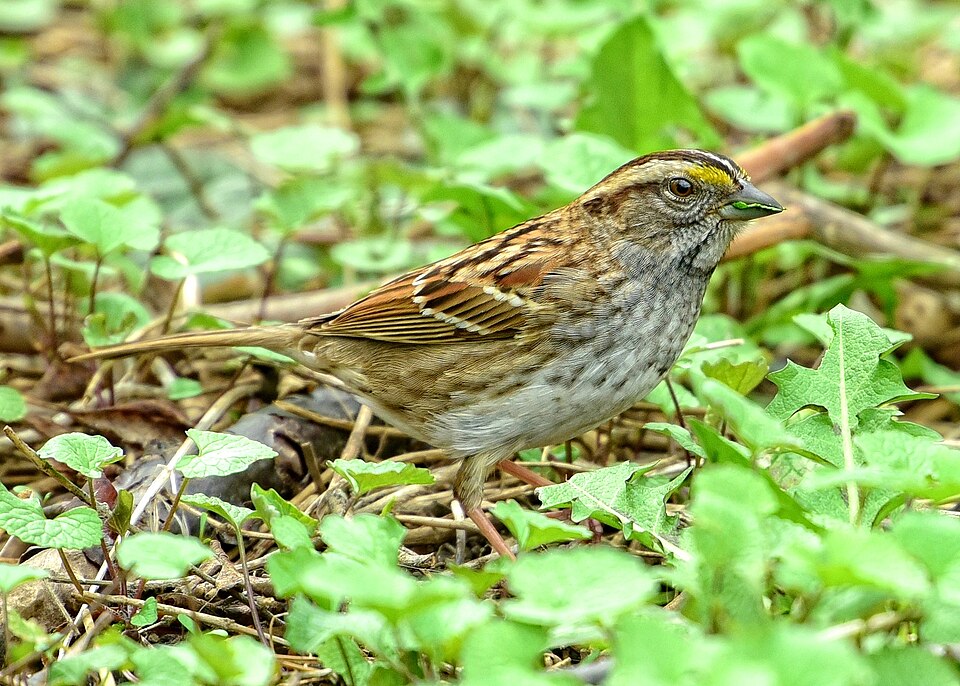 White-throated Sparrow
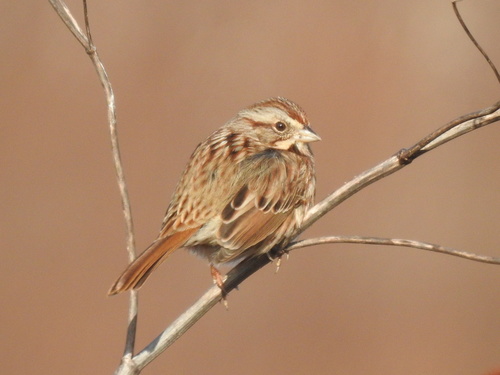 Song Sparrow
In breve
Il segno di campo più affidabile per separare il White-throated Sparrow dal Song Sparrow è la presenza di una chiara macchia bianca sulla gola bordata da linee scure e brillanti lore gialle sul White-throated Sparrow, caratteristiche mai mostrate dal Song Sparrow. Entrambe le specie sono simili in dimensioni e forma generale, ma il Song Sparrow è molto più variabile nel piumaggio e manca sempre della gola bianca nettamente definita e delle lore gialle. Sul campo, i White-throated Sparrows mostrano strisce audaci sulla testa (morfologie bianche o beige), mentre i Song Sparrows hanno un volto e un petto più uniformemente striati, marrone e grigio. Entrambi possono essere striati sotto, ma le striature del Song Sparrow sono più pesanti e spesso convergono in una macchia centrale sul petto. Un attento esame del pattern della testa e della gola è fondamentale, specialmente in inverno o tra gli immaturi.
Consigli di identificazione
- White throat patch (White-throated Sparrow only): Cerca una chiara macchia bianca triangolare sulla gola, nettamente bordata da strisce laterali scure. La gola del Song Sparrow è striata e si fonde nel petto, mai nettamente definita.
- Yellow lores (White-throated Sparrow only): Macchie gialle brillanti davanti agli occhi (lore) sono diagnostiche per il White-throated Sparrow. Il Song Sparrow non mostra mai giallo qui.
- Head stripes (White-throated Sparrow): Strisce audaci bianche e nere o marrone e beige sulla corona e sul supercilio; il Song Sparrow ha una testa più uniforme e striata marrone e grigia senza strisce nette.
- Breast streaking: Il Song Sparrow ha striature marroni pesanti e sfocate sul petto che spesso convergono in una macchia centrale. Il White-throated Sparrow ha striature più fini e rade che non formano una macchia centrale, e il ventre è solitamente più chiaro.
- Wing bars: Il White-throated Sparrow mostra due barre bianche distinte sulle ali; le ali del Song Sparrow sono semplici o mostrano solo un leggero bordo pallido.
- Bill color: Il becco del White-throated Sparrow è grigio; il becco del Song Sparrow è tipicamente marrone o color corno, ma questo è sottile.
- Face pattern: Il volto del White-throated Sparrow è nettamente patternizzato con un supercilio contrastante e un bordo auricolare scuro; il volto del Song Sparrow è più diffusamente striato e manca di un forte contrasto.
- Tail shape: La coda del Song Sparrow è spesso più lunga e più arrotondata, e viene frequentemente pompata o flickata; la coda del White-throated Sparrow è più corta e meno espressiva.
- Overall color: Il Song Sparrow è generalmente più marrone e più variabile, con alcune sottospecie che mostrano toni rufous o grigi; il White-throated Sparrow è più grigio con marcature più pulite e contrastanti.
- Habitat context: Se in folta vegetazione, paludi o aree urbane aperte, il Song Sparrow è più probabile; il White-throated Sparrow preferisce i margini boschivi ed è meno comune negli habitat aperti.
- Seasonal occurrence: Negli Stati Uniti meridionali in inverno, entrambi possono verificarsi insieme, ma il White-throated Sparrow è assente in estate; il Song Sparrow è residente o migratorio nella maggior parte delle regioni.
- Song: Il White-throated Sparrow canta una canzone chiara, fischiata e ripetitiva; la canzone del Song Sparrow è più complessa e variabile, con trilli e ronzio.
- Juvenile/immature birds: Non sono descritte differenze distintive nei pattern delle ali o del volo per gli immaturi, quindi fai affidamento sul pattern della testa e della gola anche nei giovani uccelli.
- Flock behavior: I White-throated Sparrows spesso si uniscono a stormi misti in inverno, a volte con i Song Sparrows; è necessario controllare attentamente ogni uccello.
- Pitfalls: Fai attenzione ai White-throated Sparrows opachi o usurati che potrebbero avere strisce sulla testa sbiadite, e ai Song Sparrows pallidi che potrebbero sembrare avere una gola più chiara; controlla sempre le lore gialle e la chiara macchia bianca sulla gola.
Taglia
Entrambe le specie sono quasi identiche in dimensioni e massa, con il White-throated Sparrow che pesa in media 25 g e il Song Sparrow 24 g [wikidata]. La lunghezza e l'apertura alare si sovrappongono, quindi la dimensione da sola non è un separatore affidabile sul campo. Entrambi hanno proporzioni simili, anche se il Song Sparrow può apparire leggermente più lungo di coda e più snello, ma questo è sottile e non sempre diagnostico.
Piumaggio
Per tutte le età, il White-throated Sparrow si distingue per una chiara macchia bianca sulla gola bordata da strisce laterali scure e brillanti lore gialle alla base del becco. La testa è audacemente striata, sia con bianco e nero (morfologia a strisce bianche) o beige e marrone (morfologia a strisce beige), sempre con un supercilio contrastante. Il Song Sparrow, indipendentemente dall'età o dalla sottospecie, manca di lore gialle e di una gola bianca nettamente definita; invece, mostra un volto grigio-marrone striato e una gola che si fonde nel petto pesantemente striato. Le parti inferiori del Song Sparrow sono contrassegnate da spesse striature marroni che spesso formano una macchia centrale sul petto, mentre le striature del White-throated Sparrow sono più fini e generalmente non formano una macchia centrale. Entrambi hanno rufous nelle ali, ma il White-throated Sparrow mostra due barre bianche distinte sulle ali, che il Song Sparrow manca. I pattern delle ali giovanili e immaturi non sono descritti come distintivi per nessuna delle due specie nelle fonti fornite.
Comportamento
Entrambe le specie si nutrono a terra e in bassa vegetazione, spesso in stormi misti durante la migrazione e l'inverno. I White-throated Sparrows possono apparire più deliberati e meno nervosi rispetto ai Song Sparrows, che spesso pompano le loro code e si nascondono in coperture dense. I Song Sparrows sono più propensi a essere visti cantare da posatoi esposti, specialmente durante la stagione di riproduzione. Tuttavia, queste differenze comportamentali sono sottili e non sempre affidabili per l'identificazione.
Habitat
Il White-throated Sparrow nidifica nelle foreste settentrionali e sverna negli Stati Uniti meridionali, spesso trovato in boschi, margini forestali e aree cespugliose. Il Song Sparrow è molto più adattabile e diffuso, trovato in una varietà di habitat tra cui paludi, campi cespugliosi, giardini e parchi urbani in tutto il Nord America. Si verifica una sovrapposizione durante la migrazione e l'inverno, ma il Song Sparrow è generalmente più abbondante e meno legato agli habitat forestali.
Voce
Le due specie hanno canzoni distinte, ma entrambe possono essere variabili e non sempre diagnostiche per l'osservatore occasionale. La canzone del White-throated Sparrow è un chiaro fischio 'Oh-sweet-Canada-Canada' o 'Old-Sam-Peabody-Peabody', con una serie di note ripetute. La canzone del Song Sparrow è più complessa e variabile, di solito inizia con note chiare e seguita da un miscuglio di trilli e ronzio. Anche i richiami differiscono, ma in stormi misti o in condizioni sfavorevoli, la voce da sola può essere ingannevole.
White-throated Sparrow · Song Sparrow · I miei uccelli difficili