

Chingolo Gorjiblanco vs Chingolo Cantor
Zonotrichia albicollis frente a Melospiza melodia
Juega un quiz con Chingolo Gorjiblanco y Chingolo Cantor
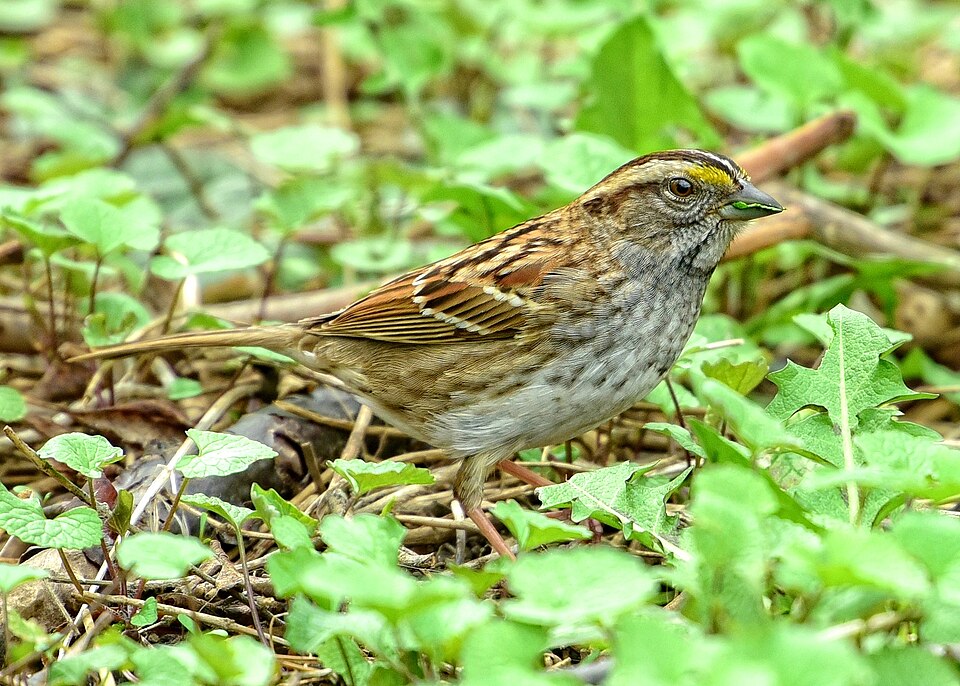 Chingolo Gorjiblanco
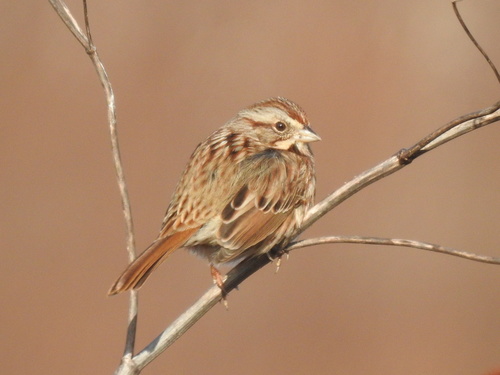 Chingolo Cantor
En breve
La marca de campo más confiable para separar al Chingolo Gorjiblanco del Chingolo Cantor es la presencia de una nítida mancha blanca en la garganta bordeada por líneas oscuras y brillantes lóbulos amarillos en el Chingolo Gorjiblanco, características que nunca muestra el Chingolo Cantor. Ambas especies son similares en tamaño y forma general, pero el Chingolo Cantor es mucho más variable en plumaje y siempre carece de la garganta blanca nítidamente definida y los lóbulos amarillos. En el campo, los Chingolos Gorjiblancos muestran franjas de cabeza audaces (morfos blancos o marrones), mientras que los Chingolos Cantores tienen una cara y un pecho más uniformemente estriados, de color marrón y gris. Ambos pueden ser estriados por debajo, pero las estrías del Chingolo Cantor son más pesadas y a menudo convergen en una mancha central en el pecho. Prestar atención cuidadosa al patrón de la cabeza y la garganta es clave, especialmente en invierno o entre inmaduros.
Consejos de identificación
- Mancha blanca en la garganta (solo Chingolo Gorjiblanco): Busca una nítida mancha blanca triangular en la garganta, bordeada por franjas laterales oscuras. La garganta del Chingolo Cantor es estriada y se mezcla con el pecho, nunca está nítidamente definida.
- Lóbulos amarillos (solo Chingolo Gorjiblanco): Las manchas amarillas brillantes frente a los ojos (lóbulos) son diagnósticas para el Chingolo Gorjiblanco. El Chingolo Cantor nunca muestra amarillo aquí.
- Franjas de cabeza (Chingolo Gorjiblanco): Franjas audaces en blanco y negro o marrón y marrón claro en la corona y el supercilio; el Chingolo Cantor tiene una cabeza más uniforme, estriada en marrón y gris sin franjas nítidas.
- Estrías en el pecho: El Chingolo Cantor tiene estrías marrones pesadas y borrosas en el pecho que a menudo convergen en una mancha central. El Chingolo Gorjiblanco tiene estrías más finas y escasas que no forman una mancha central, y el vientre suele ser más pálido.
- Barras alares: El Chingolo Gorjiblanco muestra dos barras alares blancas distintas; las alas del Chingolo Cantor son simples o muestran solo un leve borde pálido.
- Color del pico: El pico del Chingolo Gorjiblanco es gris; el pico del Chingolo Cantor es típicamente marrón o de color cuerno, pero esto es sutil.
- Patrón facial: La cara del Chingolo Gorjiblanco está nítidamente marcada con un supercilio contrastante y un borde auricular oscuro; la cara del Chingolo Cantor está más estriada de manera difusa y carece de un fuerte contraste.
- Forma de la cola: La cola del Chingolo Cantor es a menudo más larga y más redondeada, y frecuentemente se bombea o se agita; la cola del Chingolo Gorjiblanco es más corta y menos expresiva.
- Color general: El Chingolo Cantor es generalmente más marrón y más variable, con algunas subespecies que muestran tonos rufo o gris; el Chingolo Gorjiblanco es más gris con marcas más limpias y contrastantes.
- Contexto del hábitat: Si está en matorrales densos, pantanos o áreas urbanas abiertas, es más probable que sea un Chingolo Cantor; el Chingolo Gorjiblanco prefiere los bordes de los bosques y es menos común en hábitats abiertos.
- Ocurrencia estacional: En el sur de EE. UU. en invierno, ambos pueden ocurrir juntos, pero el Chingolo Gorjiblanco está ausente en verano; el Chingolo Cantor es residente o migratorio en la mayoría de las regiones.
- Canto: El Chingolo Gorjiblanco canta una canción clara, silbante y repetitiva; el canto del Chingolo Cantor es más complejo y variable, con trinos y zumbidos.
- Aves juveniles/inmaduros: No se describen diferencias distintivas en el patrón de alas o vuelo para los inmaduros, por lo que confía en el patrón de la cabeza y la garganta incluso en aves jóvenes.
- Comportamiento en bandada: Los Chingolos Gorjiblancos a menudo se unen a bandadas mixtas en invierno, a veces con Chingolos Cantores; es necesario revisar cuidadosamente cada ave.
- Trampas: Ten cuidado con los Chingolos Gorjiblancos apagados o desgastados que pueden tener franjas de cabeza desvanecidas, y con los Chingolos Cantores pálidos que pueden parecer tener una garganta más pálida; siempre verifica los lóbulos amarillos y la nítida mancha blanca en la garganta.
Tamaño
Ambas especies son casi idénticas en tamaño y masa, con el Chingolo Gorjiblanco promediando 25 g y el Chingolo Cantor 24 g [wikidata]. La longitud y la envergadura se superponen, por lo que el tamaño solo no es un separador confiable en el campo. Ambas tienen proporciones similares, aunque el Chingolo Cantor puede parecer ligeramente más largo de cola y más delgado, pero esto es sutil y no siempre es diagnóstico.
Plumaje
Para todas las edades, el Chingolo Gorjiblanco se destaca con una mancha blanca en la garganta nítidamente definida bordeada por franjas laterales oscuras, y lóbulos amarillos brillantes en la base del pico. La cabeza está audazmente estriada, ya sea con blanco y negro (morfos de franjas blancas) o marrón claro y marrón (morfos de franjas marrones), siempre con un supercilio contrastante. El Chingolo Cantor, independientemente de la edad o subespecie, carece de lóbulos amarillos y de una garganta blanca nítidamente definida; en cambio, muestra una cara de color gris-marrón estriada y una garganta que se mezcla con el pecho fuertemente estriado. Las partes inferiores del Chingolo Cantor están marcadas con gruesas estrías marrones que a menudo forman una mancha central en el pecho, mientras que las estrías del Chingolo Gorjiblanco son más finas y generalmente no forman una mancha central. Ambos tienen rufo en las alas, pero el Chingolo Gorjiblanco muestra dos barras alares blancas distintas, que el Chingolo Cantor carece. Los patrones de alas juveniles e inmaduros no se describen como distintivos para ninguna de las especies en las fuentes proporcionadas.
Comportamiento
Ambas especies forrajean en el suelo y en la vegetación baja, a menudo en bandadas mixtas durante la migración y el invierno. Los Chingolos Gorjiblancos pueden parecer más deliberados y menos nerviosos que los Chingolos Cantores, que a menudo bombean sus colas y se esconden en la cubierta densa. Los Chingolos Cantores son más propensos a ser vistos cantando desde perchas expuestas, especialmente en la temporada de cría. Sin embargo, estas diferencias de comportamiento son sutiles y no siempre son confiables para la identificación.
Hábitat
El Chingolo Gorjiblanco cría en bosques del norte y pasa el invierno en el sur de EE. UU., a menudo encontrado en bosques, bordes de bosques y áreas arbustivas. El Chingolo Cantor es mucho más adaptable y extendido, encontrado en una variedad de hábitats que incluyen pantanos, campos arbustivos, jardines y parques urbanos en toda América del Norte. La superposición ocurre durante la migración y el invierno, pero el Chingolo Cantor es generalmente más abundante y menos atado a hábitats forestales.
Voz
Las dos especies tienen cantos distintos, pero ambos pueden ser variables y no siempre son diagnósticos para el observador casual. El canto del Chingolo Gorjiblanco es un claro silbido 'Oh-sweet-Canada-Canada' o 'Old-Sam-Peabody-Peabody', con una serie de notas repetidas. El canto del Chingolo Cantor es más complejo y variable, generalmente comenzando con notas claras y seguido por un revoltijo de trinos y zumbidos. Los llamados también difieren, pero en bandadas mixtas o en condiciones deficientes, la voz sola puede ser complicada.