

Whiskered Auklet vs Kittlitz's Murrelet
Aethia pygmaea contro Brachyramphus brevirostris
Fai un quiz con Whiskered Auklet e Kittlitz's Murrelet
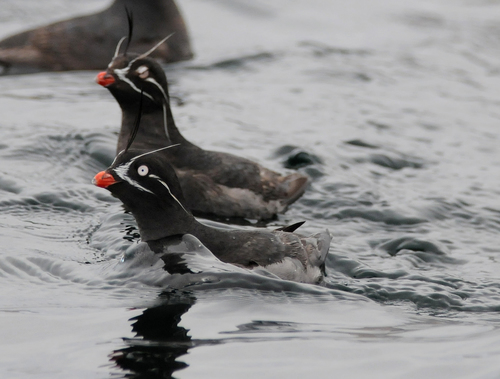 Whiskered Auklet
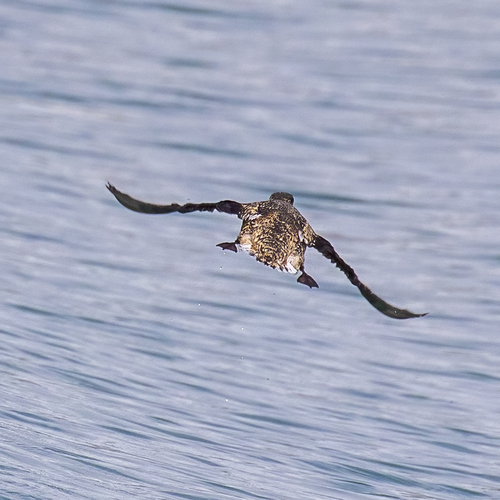 Kittlitz's Murrelet
In breve
Il segno di campo più affidabile per separare il Whiskered Auklet dal Kittlitz's Murrelet è la presenza di lunghi 'baffi' bianchi facciali sul Whiskered Auklet durante la stagione di riproduzione—il Kittlitz's Murrelet non mostra mai questi. In volo o a riposo, il Whiskered Auklet è un piccolo alcide compatto con un becco corto e un aspetto scuro e uniforme, mentre il Kittlitz's Murrelet è leggermente più grande, con un piumaggio di riproduzione bruno-grigiastro più criptico e maculato e un becco più piccolo e delicato. I piumaggi giovanili e non riproduttivi non sono ben descritti per il Whiskered Auklet, ma il Kittlitz's Murrelet mostra un piumaggio non riproduttivo bianco e nero molto evidente. L'habitat e il comportamento differiscono anche: il Whiskered Auklet è strettamente costiero e spesso visto vicino alle isole di riproduzione, mentre il Kittlitz's Murrelet è più probabile che si trovi vicino ai ghiacciai di marea o che si riproduca lontano nell'entroterra sopra la linea degli alberi. La dimensione non è un segno di campo forte, ma il Whiskered Auklet è tra i più piccoli alcidi.
Consigli di identificazione
- Baffi facciali: Solo il Whiskered Auklet mostra lunghe piume facciali bianche ('baffi') nel piumaggio di riproduzione. Se vedi questi, è diagnostico per il Whiskered Auklet. Il Kittlitz's Murrelet non mostra mai piume facciali a qualsiasi età o stagione.
- Colorazione generale nella stagione di riproduzione: Il Whiskered Auklet è scuro, quasi nero nel complesso, con una testa e un corpo uniformi. Il Kittlitz's Murrelet è maculato di grigio-bruno sopra e più chiaro sotto, fondendosi con il terreno roccioso e innevato.
- Piumaggio non riproduttivo (invernale): Il Kittlitz's Murrelet diventa nettamente bianco e nero, con un volto e parti inferiori bianche e parti superiori scure. Il Whiskered Auklet rimane più uniformemente scuro, anche se i dettagli sono meno noti—l'assenza di un netto contrasto bianco e nero suggerisce il Whiskered Auklet.
- Forma e dimensione del becco: Il Whiskered Auklet ha un becco corto e tozzo; il becco del Kittlitz's Murrelet è ancora più corto e più delicato, ma questo è sottile sul campo.
- Dimensione e jizz: Il Whiskered Auklet è notevolmente più piccolo e più compatto, con una coda corta e un corpo arrotondato. Il Kittlitz's Murrelet è più lungo e più snello, ma questo è evidente solo con un confronto diretto.
- Comportamento in mare: Il Whiskered Auklet è spesso visto in stormi compatti vicino alle isole di riproduzione, a volte con altri alcidi. Il Kittlitz's Murrelet è solitario o in coppie, raramente in stormi.
- Contesto dell'habitat: Il Whiskered Auklet è quasi sempre vicino alle Isole Aleutine o Commander; il Kittlitz's Murrelet si trova vicino ai ghiacciai di marea o in acque costiere remote influenzate dai ghiacciai, e si riproduce lontano nell'entroterra sopra la linea degli alberi.
- Comportamento di pernottamento: Il Whiskered Auklet è unico tra gli alcidi nel pernottare regolarmente sulla terra tutto l'anno. Il Kittlitz's Murrelet non lo fa.
- Attrazione per le luci: Il Whiskered Auklet può essere attratto dalle luci delle navi di notte; il Kittlitz's Murrelet non è noto per questo comportamento.
- Schema facciale nella stagione non riproduttiva: Il Kittlitz's Murrelet mostra un volto bianco in inverno, mentre il Whiskered Auklet non lo fa.
- Nessuno schema distintivo di ali o coda: Nessuna delle due specie ha un modello unico di ali superiori o coda in volo che sia descritto come diagnostico per qualsiasi età o stagione.
- Profumo del piumaggio: Si dice che il Whiskered Auklet abbia un profumo simile agli agrumi nel suo piumaggio (condiviso con il Crested Auklet), ma questo non è un segno di campo per gli osservatori di uccelli.
- Riproduzione coloniale vs. solitaria: Il Whiskered Auklet si riproduce in colonie sparse; il Kittlitz's Murrelet nidifica singolarmente e lontano da altri alcidi.
- Distribuzione: Se ti trovi al di fuori delle Isole Aleutine o Commander, è estremamente improbabile vedere il Whiskered Auklet. Se non sei vicino ai ghiacciai di marea o a pendii montuosi elevati, è improbabile vedere il Kittlitz's Murrelet.
- Confusione giovanile/immatura: Nessun modello specifico di ali superiori o coda è descritto per entrambe le specie, quindi la separazione si basa sul piumaggio facciale e corporeo e sul contesto.
Taglia
Il Whiskered Auklet è uno dei più piccoli alcidi, solo leggermente più grande del Least Auklet e notevolmente più piccolo del Kittlitz's Murrelet. Il Kittlitz's Murrelet è un piccolo alcide ma è più lungo (circa 25 cm) e più robusto del Whiskered Auklet. In mano o con un confronto diretto, il Whiskered Auklet appare più minuto e compatto, ma sul campo, la dimensione da sola è raramente diagnostica a causa della sovrapposizione e della mancanza di confronto diretto.
Piumaggio
Nessun modello distintivo di ali superiori giovanili o immature è descritto per entrambe le specie, quindi la separazione si basa sul piumaggio facciale e corporeo. Nel piumaggio di riproduzione, il Whiskered Auklet è scuro nel complesso con una testa e un corpo uniformemente nerastre, ma la sua caratteristica distintiva sono i lunghi baffi facciali bianchi (piume allungate) che sporgono dal volto—questi sono unici tra gli alcidi del Nord Pacifico. Il Kittlitz's Murrelet nel piumaggio di riproduzione è maculato di grigio-bruno sopra e più chiaro sotto, abbinandosi al suo habitat di nidificazione criptico; non ha piume facciali o baffi. Nel piumaggio non riproduttivo (invernale), il Kittlitz's Murrelet diventa nettamente bianco e nero, con un volto e parti inferiori bianche e parti superiori scure, mentre il Whiskered Auklet rimane più uniformemente scuro, anche se i dettagli del suo piumaggio non riproduttivo sono meno ben documentati. Anche il colore e la dimensione del becco differiscono: il Whiskered Auklet ha un becco corto e tozzo, mentre il becco del Kittlitz's Murrelet è ancora più corto e più fine. Nessun modello specifico di ali superiori o coda è descritto per entrambe le specie.
Comportamento
Il Whiskered Auklet è altamente costiero, raramente allontanandosi dalle isole di riproduzione, ed è insolito tra gli alcidi per pernottare sulla terra tutto l'anno. Spesso si nutre in acque interne, vicino alla terra, ed è talvolta attratto dalle luci di notte. Il Kittlitz's Murrelet è solitario o in coppie (non coloniale), si riproduce lontano nell'entroterra su pendii montuosi vicino ai campi di neve, ed è più spesso visto in mare vicino ai ghiacciai di marea o in acque costiere remote. Il suo comportamento è più segreto, ed è raramente visto vicino agli insediamenti umani. Il Whiskered Auklet può essere visto in stormi misti con altri alcidi, mentre il Kittlitz's Murrelet è quasi sempre solo o con un compagno.
Habitat
Il Whiskered Auklet è ristretto alle Isole Aleutine e vicine, sempre vicino alla terra, e si riproduce in crepe rocciose su queste isole. È raramente incontrato lontano dai suoi terreni di riproduzione. Il Kittlitz's Murrelet si riproduce su pendii montuosi isolati sopra la linea degli alberi, spesso vicino ai ghiacciai, e si trova in mare in acque fredde influenzate dai ghiacciai al largo dell'Alaska e della Siberia orientale. Se ti trovi lontano dalle Isole Aleutine o non vicino ai ghiacciai di marea o a terreni montuosi, è improbabile che tu stia vedendo il Kittlitz's Murrelet. Il Whiskered Auklet è molto più ristretto nella distribuzione e costiero.
Whiskered Auklet · Kittlitz's Murrelet · I miei uccelli difficili