

Wedge-tailed Shearwater vs Pied Cormorant
Ardenna pacifica contro Phalacrocorax varius
Fai un quiz con Wedge-tailed Shearwater e Pied Cormorant
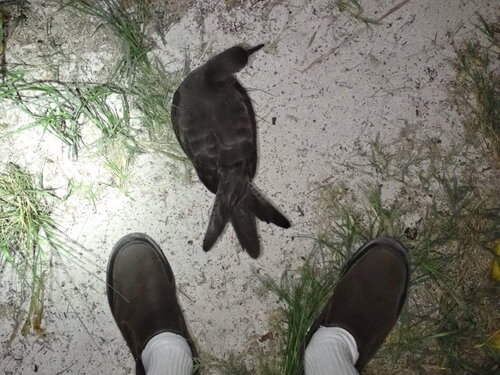 Wedge-tailed Shearwater
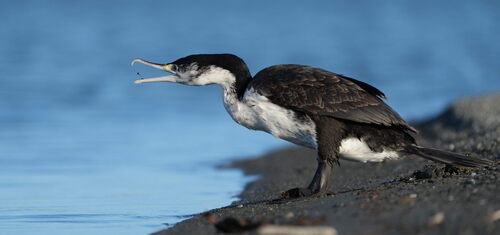 Pied Cormorant
In breve
Il segno di campo più affidabile per separare il Wedge-tailed Shearwater dal Pied Cormorant è la struttura generale e lo stile di volo: i shearwaters sono snelli, con ali lunghe, e planano bassi sopra il mare con battiti d'ala rigidi e rapidi, mentre i cormorani hanno un corpo molto più pesante, volano con battiti d'ala più lenti e un collo piegato, e spesso si posano eretti su rocce o pali. Nel piumaggio, il Wedge-tailed Shearwater si presenta in entrambe le morfologie chiara e scura, ma non mostra mai il netto contrasto bianco e nero del Pied Cormorant, che ha un ventre bianco sorprendente e parti superiori nere. La coda a forma di cuneo dello shearwater è diagnostica in volo, mentre il cormorano ha una coda più tipicamente arrotondata. Se vedi un uccello che asciuga le ali, è un cormorano. Anche le dimensioni sono un indizio importante: il Pied Cormorant è circa quattro volte più pesante del Wedge-tailed Shearwater.
Consigli di identificazione
- Stile di volo: Il Wedge-tailed Shearwater vola con battiti d'ala rigidi e rapidi e lunghi planate bassi sopra l'acqua; il Pied Cormorant ha battiti d'ala più lenti e profondi, e spesso vola con un collo piegato. Questo è un segno di campo forte in tutte le età e stagioni.
- Comportamento di posarsi: Se l'uccello è posato eretto su una roccia, un palo o un albero, specialmente con le ali spiegate per asciugare, è un Pied Cormorant. I shearwaters non si posano in questo modo tranne che nelle colonie di nidificazione, e non spiegano mai le ali per asciugare.
- Forma della coda: Il Wedge-tailed Shearwater ha una lunga coda a forma di cuneo visibile in volo; il Pied Cormorant ha una coda più tipicamente arrotondata. Cerca la forma della coda quando l'uccello si inclina o atterra.
- Forma del becco: Lo shearwater ha un becco sottile e scuro adatto per catturare pesci in mare; il becco del cormorano è molto più pesante, ricurvo all'estremità, e chiaro con una macchia gialla alla base.
- Colore e posizione delle gambe: Il Wedge-tailed Shearwater ha gambe rosa salmone posizionate molto indietro sul corpo (adattate per nuotare); il Pied Cormorant ha gambe e piedi neri, posizionati più centralmente.
- Contrasto del piumaggio: Il Pied Cormorant è nettamente bicolore—nero sopra, bianco sotto, con un volto bianco e una macchia facciale gialla. Il Wedge-tailed Shearwater è uniformemente scuro o chiaro sopra e biancastro sotto, ma mai con un contrasto netto o un volto bianco.
- Schema facciale: Solo il Pied Cormorant ha un volto bianco con una macchia gialla tra il becco e l'occhio; il volto dello shearwater è sempre semplice.
- Dimensioni: Il Pied Cormorant è molto più grande e massiccio del Wedge-tailed Shearwater. Se visti insieme, la differenza di dimensioni è ovvia.
- Habitat: I shearwaters sono visti solo in mare o in colonie di nidificazione remote; i cormorani sono comuni sulle coste, negli estuari, nei laghi e nei fiumi, e spesso si posano su strutture artificiali.
- Asciugatura delle ali: Solo il Pied Cormorant spiega le sue ali per asciugare dopo il tuffo. I shearwaters non lo fanno mai.
- Schema dell'ala inferiore: Il Pied Cormorant ha ali inferiori bianche in contrasto con le primarie nere; l'ala inferiore dello shearwater non ha mai un motivo netto.
- Voce: Se senti lunghi richiami lamentosi di notte vicino a una colonia, è probabile che sia un Wedge-tailed Shearwater. Altrimenti, entrambe le specie sono solitamente silenziose in campo.
- Comportamento alimentare: I shearwaters si nutrono immergendosi e afferrando la superficie mentre volano; i cormorani tuffano dalla superficie, spesso visti riemergere con pesci.
- Comportamento di gruppo: I shearwaters sono spesso visti in stormi sopra l'oceano aperto; i cormorani possono radunarsi in gruppi ma sono più spesso visti singolarmente o in piccoli gruppi vicino alla costa o nell'entroterra.
- Contesto: Se sei lontano dalla terra, specialmente in acque tropicali, un uccello snello e planante è probabilmente uno shearwater. Negli estuari, nei laghi, o posato su strutture, è quasi certamente un cormorano.
Taglia
Il Pied Cormorant è sostanzialmente più grande e massiccio del Wedge-tailed Shearwater. Il cormorano pesa in media circa 1955 g, rispetto ai 465 g dello shearwater—una differenza quadrupla. Il Pied Cormorant è alto 65–85 cm con un'apertura alare di 110–130 cm, mentre il Wedge-tailed Shearwater è di dimensioni medie-grandi per uno shearwater ma comunque molto più piccolo e snello del cormorano. In campo, la dimensione e la massa del cormorano sono immediatamente evidenti, specialmente quando è posato o vola vicino ad altri uccelli.
Piumaggio
Non sono descritti schemi specifici per l'ala superiore legati all'età per nessuna delle due specie che potrebbero causare confusione in volo. Il Wedge-tailed Shearwater si presenta in due morfologie: le morfologie chiare hanno parti superiori grigio-marroni e parti inferiori più chiare, mentre le morfologie scure sono uniformemente grigio-marroni scure. Entrambe le morfologie mancano di qualsiasi confine di colore netto. Il Pied Cormorant, al contrario, è sempre nettamente bicolore: nero sopra (schiena e ali superiori), bianco sotto (ventre e ali inferiori), e un volto bianco distintivo con una piccola macchia gialla tra il becco e l'occhio. Il becco del cormorano è grande e ricurvo, e le sue gambe e piedi sono neri, mentre lo shearwater ha un becco sottile e scuro e gambe rosa salmone posizionate molto indietro sul corpo. In tutte le età e stagioni, il motivo bianco e nero del cormorano è diagnostico, mentre lo shearwater non mostra mai questo livello di contrasto.
Comportamento
I Wedge-tailed Shearwaters sono quasi sempre visti volare bassi sopra l'oceano aperto, planando e inclinando con battiti d'ala rigidi e rapidi, raramente posandosi tranne che nelle colonie di nidificazione. Sono altamente pelagici e raramente visti nell'entroterra o posati su strutture. I Pied Cormorants, d'altra parte, sono spesso visti posati eretti su rocce, pali o alberi vicino all'acqua, frequentemente spiegando le loro ali per asciugare. Si tuffano dalla superficie per catturare pesci e sono a loro agio sia in habitat di acqua salata che dolce. In volo, i cormorani hanno un battito d'ala più lento e profondo e spesso volano con un collo piegato, a differenza dello shearwater che ha il collo dritto e planante.
Habitat
Il Wedge-tailed Shearwater è strettamente pelagico, trovato sopra oceani tropicali e subtropicali, e viene a terra solo nelle colonie di nidificazione, di solito su isole remote. Non è visto nell'entroterra o su corpi d'acqua dolce. Il Pied Cormorant è una specie costiera e talvolta di acqua dolce, trovato intorno a estuari, laghi, fiumi e baie riparate, così come lungo la costa. È spesso visto posato vicino all'acqua ed è molto più probabile incontrarlo sulla terra o in habitat di acqua dolce rispetto allo shearwater.
Voce
Il Wedge-tailed Shearwater è noto per i suoi lunghi richiami lamentosi nelle colonie di nidificazione, con un componente distintivo di inalazione ed espirazione. Questi richiami sono solitamente uditi di notte vicino alle colonie e non vengono emessi in mare. Il Pied Cormorant è generalmente silenzioso lontano dal nido e non ha un richiamo di volo o alimentazione distintivo che sarebbe udito dalla maggior parte degli osservatori di uccelli. Pertanto, la voce è raramente utile per separare queste specie in campo.
Wedge-tailed Shearwater · Pied Cormorant · I miei uccelli difficili