

Tropical Kingbird vs Couch's Kingbird
Tyrannus melancholicus contro Tyrannus couchii
Fai un quiz con Tropical Kingbird e Couch's Kingbird
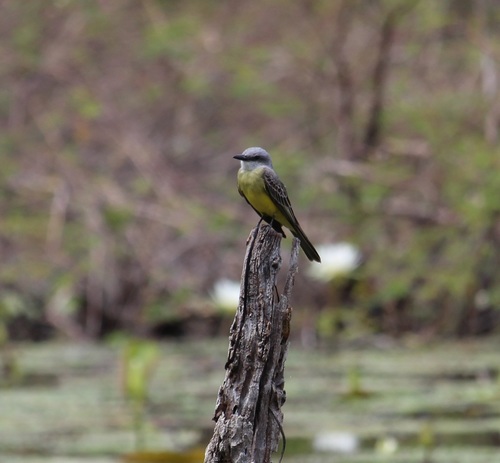 Tropical Kingbird
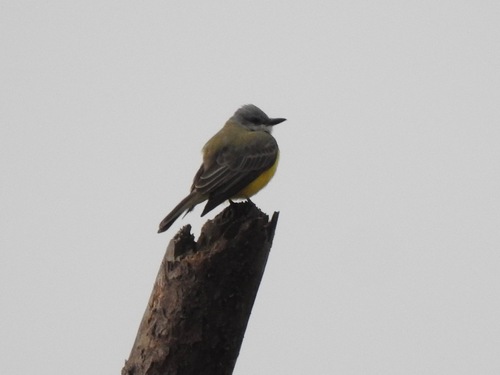 Couch's Kingbird
In breve
Il modo più affidabile per separare il Tropical Kingbird dal Couch's Kingbird è attraverso il canto, poiché le loro chiamate sono distintamente diverse. Sul campo, entrambe le specie sono estremamente simili in dimensioni, struttura e colorazione generale, ma sottili differenze nel motivo della testa, nel colore del petto e nella preferenza dell'habitat possono aiutare. I giovani di entrambe le specie mostrano bordi chiari sulle copritrici delle ali, quindi i segni specifici per età sulle ali superiori non sono un forte separatore. Un'attenta attenzione all'ombra e all'estensione del grigio sulla testa e sul petto, così come al contesto dell'osservazione, può migliorare le tue possibilità di un'identificazione corretta.
Consigli di identificazione
- Ascolta prima: Se senti l'uccello, il Couch's Kingbird emette un richiamo più raspante e vario; il richiamo del Tropical Kingbird è un trill acuto e cinguettante. Questo è il miglior separatore sul campo.
- Motivo della testa: Il Tropical Kingbird ha una testa grigia chiara con una maschera oculare più scura e a volte una striscia arancione della corona nascosta. La testa del Couch's Kingbird è grigia chiara ma con guance più scure e contrastanti, dando un aspetto leggermente incappucciato. Questo è sottile ma può essere visto in buona luce.
- Colore e motivo del petto: Il Couch's Kingbird ha un petto più scuro e più nettamente demarcato sopra il ventre giallo, mentre il petto del Tropical Kingbird è oliva che sfuma più gradualmente nel giallo. Cerca un chiaro confine nel Couch's rispetto a una transizione più sfumata nel Tropical.
- Colore della gola: Entrambi hanno gole chiare, ma il contrasto con il petto è spesso più forte nel Couch's Kingbird a causa del petto superiore più scuro.
- Forma della coda: Entrambe le specie hanno code scure e leggermente forked. La forma della coda non è un separatore affidabile.
- Copritrici delle ali juvenile: I giovani di entrambe le specie hanno bordi chiari sulle copritrici delle ali, quindi questa caratteristica non aiuta a distinguerli.
- Parte inferiore juvenile: Il giovane Couch's Kingbird ha parti inferiori più marroni rispetto all'adulto, ma questo è sottile e non sempre ovvio sul campo.
- Dimensione e forma del becco: Entrambi hanno becchi grandi e pesanti; la struttura non è un forte separatore.
- Comportamento di posizionamento: Il Tropical Kingbird spesso si posiziona più in alto e più esposto, mentre il Couch's Kingbird può essere più in basso o in ambienti più boscosi, ma questo non è assoluto.
- Contesto dell'habitat: In campagna aperta, specialmente lontano dall'acqua, è più probabile trovare il Tropical Kingbird. In aree leggermente boschive, bordi forestali o vicino all'acqua, specialmente nel sud del Texas e nello Yucatán, è più probabile trovare il Couch's Kingbird.
- Gamma geografica: Se ti trovi al di fuori del sud del Texas o della parte inferiore della Valle del Rio Grande, controlla lo stato locale—il Tropical Kingbird è diffuso in America Centrale e Meridionale, mentre il Couch's è più ristretto alla Costa del Golfo e alla regione dello Yucatán.
- Sesso e stagione: I sessi sono simili in entrambe le specie; non ci sono differenze di piumaggio stagionali diagnostiche.
- Comportamento alimentare: Entrambi si lanciano per catturare insetti dai posatoi, ma il Tropical Kingbird può rimanere in sospensione per raccogliere dalla vegetazione.
- Aggressione: Entrambi sono territoriali e inseguiranno uccelli più grandi, quindi questo non è un separatore.
- Quando hai dubbi: Se l'uccello è silenzioso e l'habitat è ambiguo, fai affidamento sulla combinazione di motivo della testa, contrasto del petto e contesto, ma sii onesto riguardo all'alta possibilità di sovrapposizione e incertezza.
Taglia
Il Tropical Kingbird e il Couch's Kingbird sono quasi identici in dimensioni, con il Tropical Kingbird che pesa in media 37 g e il Couch's Kingbird 39 g in massa corporea. Entrambi sono grandi, robusti catturatori di insetti con dimensioni complessive simili. La lunghezza e l'apertura alare si sovrappongono completamente sul campo, quindi la dimensione non è un separatore utile.
Piumaggio
- Giovani: I giovani di entrambe le specie hanno bordi chiari o chiari sulle copritrici delle ali, rendendo questo segno non diagnostico tra di loro. Il giovane Couch's Kingbird ha anche parti inferiori più marroni rispetto all'adulto.
- Adulti: Entrambi hanno teste grigie chiare, schiene con sfumature olive, ali marroni e parti inferiori gialle brillanti. Il Tropical Kingbird mostra una testa grigia chiara più uniforme con una maschera oculare più scura e a volte una striscia arancione della corona (spesso nascosta), mentre il Couch's Kingbird ha una testa grigia chiara con guance più scure e contrastanti. Il petto del Couch's Kingbird è più scuro sopra il ventre giallo, creando una demarcazione più netta, mentre il petto del Tropical Kingbird è oliva che sfuma nel giallo. Entrambi hanno code scure e leggermente forked. I sessi sono simili in entrambe le specie.
Comportamento
Entrambe le specie si posano in modo evidente in aree aperte e si lanciano per catturare insetti in volo, tornando spesso allo stesso posatoio. Il Tropical Kingbird è noto per utilizzare posatoi più alti e più esposti ed è più probabile essere visto in campagna aperta, mentre il Couch's Kingbird preferisce habitat leggermente boschivi o ai margini. Entrambi difenderanno aggressivamente i loro territori contro uccelli più grandi.
Habitat
Il Tropical Kingbird si trova più spesso in aree aperte con alberi e arbusti sparsi, inclusi giardini e bordi stradali, e tende a rimanere nei livelli superiori degli alberi. Il Couch's Kingbird preferisce ambienti più boschivi, come foreste sparse, foreste spinose, bordi di corsi d'acqua boschivi e aree suburbane, spesso vicino all'acqua. Nelle zone di sovrapposizione (sud del Texas, parte inferiore della Valle del Rio Grande), l'habitat può essere un indizio: aperto per il Tropical, boscoso per il Couch's, ma c'è qualche sovrapposizione, specialmente vicino ai bordi delle foreste e all'acqua.
Voce
La vocalizzazione è il segno più affidabile sul campo. Il Tropical Kingbird emette un trill acuto e cinguettante ("tree-e-e-e-e-e"), mentre il Couch's Kingbird ha un richiamo più raspante e complesso con tonalità più varie. Se senti l'uccello, l'identificazione è semplice; se è silenzioso, fai affidamento su sottili indizi di piumaggio e habitat.
Tropical Kingbird · Couch's Kingbird · I miei uccelli difficili