

Trinidad Euphonia vs Lesser Goldfinch
Euphonia trinitatis contro Spinus psaltria
Fai un quiz con Trinidad Euphonia e Lesser Goldfinch
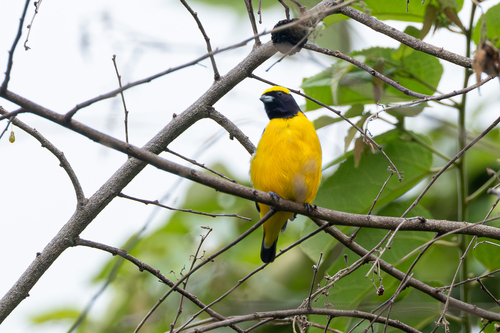 Trinidad Euphonia
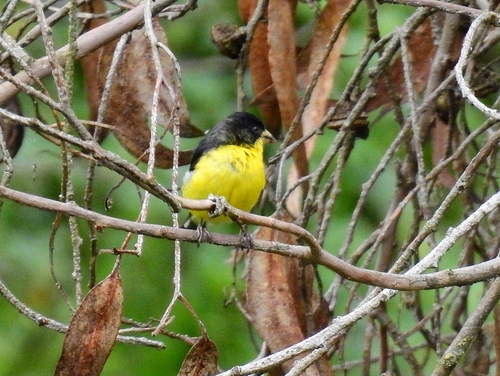 Lesser Goldfinch
In breve
Il segno di campo più affidabile per separare la Trinidad Euphonia dal Lesser Goldfinch è la combinazione di modello di ali e coda in volo: i maschi adulti di Trinidad Euphonia mostrano una audace striscia bianca sulla parte inferiore dell'ala e grandi ovali bianchi sulla parte inferiore della coda, mentre i Lesser Goldfinch mostrano macchie bianche prominenti alla base delle primarie e delle piume esterne della coda, ma non la stessa striscia sulla parte inferiore dell'ala. Entrambe le specie sono piccole, con coda corta e gialle sotto, ma i maschi di Trinidad Euphonia hanno una parte superiore blu-nera lucida con una corona gialla, mentre i maschi di Lesser Goldfinch hanno schiene nere o verdi variabili e una fronte nera. Le femmine e gli immaturi di entrambe le specie sono oliva sopra e giallastri sotto, ma la femmina di euphonia ha una pancia centrale grigia diagnostica e un becco più fine. Attenzione: le femmine e gli immaturi di Trinidad Euphonia sono quasi inseparabili dalle femmine/immaturi di Purple-throated Euphonia, ma non dal Lesser Goldfinch. La struttura e la forma del becco aiutano anche: le euphonie sono più robuste con un becco più corto e fine, mentre i goldfinch hanno un becco di tipo finch più tipico e una coda leggermente più lunga.
Consigli di identificazione
- Striscia bianca sulla parte inferiore dell'ala (maschio Trinidad Euphonia): In volo, cerca una audace striscia bianca sulla parte inferiore dell'ala—unica per il maschio di Trinidad Euphonia e assente nel Lesser Goldfinch.
- Ovalità sulla parte inferiore della coda (maschio Trinidad Euphonia): Due grandi ovali bianchi sulla parte inferiore della coda sono visibili in volo o quando la coda è aperta; il Lesser Goldfinch ha bianco solo sulle piume esterne della coda, non come ovali.
- Macchie bianche sulle ali (Lesser Goldfinch): Il maschio di Lesser Goldfinch mostra grandi macchie bianche alla base delle primarie e delle piume esterne della coda, visibili in volo e quando è appollaiato; la Trinidad Euphonia manca di queste macchie sulle ali.
- Colore della corona (maschi adulti): I maschi di Trinidad Euphonia hanno una corona gialla brillante che si estende dietro gli occhi; i maschi di Lesser Goldfinch hanno una corona e una fronte nere o verdi, mai gialle.
- Colore della schiena (maschi adulti): La Trinidad Euphonia è blu-nera lucida sopra; il Lesser Goldfinch varia da nero a verde, a seconda della regione, ma mai blu-nera.
- Forma del becco: La Trinidad Euphonia ha un becco piccolo, fine e corto; il Lesser Goldfinch ha un becco più robusto e conico. Questo è particolarmente utile in viste ravvicinate.
- Colore della pancia di femmine/immaturi: Le femmine e gli immaturi di Trinidad Euphonia hanno una macchia grigia lungo il centro del petto e della pancia; le femmine/immaturi di Lesser Goldfinch sono più uniformemente giallastri sotto.
- Modello di ali e coda di femmine/immaturi: Le femmine/immaturi di Lesser Goldfinch mostrano solo una stretta striscia bianca sulle ali e poco o nessun bianco sulla coda; la femmina/immaturo di Trinidad Euphonia manca di marcature forti sulle ali e sulla coda ma può mostrare copritrici gialle sulla parte inferiore della coda.
- Lunghezza e forma della coda: La Trinidad Euphonia ha una coda corta e compatta; il Lesser Goldfinch ha una coda leggermente più lunga e più snella, specialmente nelle popolazioni meridionali.
- Contesto dell'habitat: In Trinidad o nelle aree adiacenti del Venezuela/Colombia, specialmente in alberi fruttiferi o al margine della foresta, sospetta euphonia; in habitat aperti, infestati o ripariani, specialmente in Nord America, sospetta goldfinch.
- Comportamento alimentare: I goldfinch sono spesso visti nutrirsi di semi in aree aperte e infestati; le euphonie si concentrano sulle bacche, specialmente sul vischio, e possono cercare cibo più nella chioma.
- Vocalizzazioni: Se senti un richiamo aspro 'chig chig chig' o un fischio acuto, è probabile che sia un Lesser Goldfinch; le vocalizzazioni delle euphonie sono meno distintive sul campo.
- Dimorfismo sessuale: Entrambe le specie sono dimorfiche sessualmente, ma le differenze sono più marcate nella Trinidad Euphonia (corona gialla e blu-nera nelle parti superiori nei maschi contro femmine oliva/giallastre con macchia grigia sulla pancia).
- Gamma geografica: La Trinidad Euphonia è rara a Trinidad e locale sulla terraferma adiacente; il Lesser Goldfinch è diffuso dagli Stati Uniti occidentali al nord della Sud America.
- Trappola: Le femmine e gli immaturi di Trinidad Euphonia sono praticamente inseparabili dalle femmine/immaturi di Purple-throated Euphonia, ma non dal Lesser Goldfinch—quindi se stai solo scegliendo tra questi due, concentrati sulla macchia grigia sulla pancia e sulla forma del becco per femmine/immaturi.
Taglia
Entrambe le specie sono tra i passeriformi più piccoli nelle rispettive aree. La Trinidad Euphonia pesa in media 11,4 g e misura 9,7–11 cm di lunghezza, mentre il Lesser Goldfinch è simile in lunghezza (9–12 cm) ma leggermente più leggero in media (8–11,5 g). La differenza è sottile e non affidabile sul campo, anche se i goldfinch possono apparire un po' più snelli e con coda più lunga, specialmente nelle popolazioni meridionali. Entrambi sono notevolmente piccoli, ma l'euphonia è tipicamente più compatta e con coda corta.
Piumaggio
- Uccelli giovanili/immaturi/primo anno: Gli immaturi di entrambe le specie sono verde oliva sopra e giallastri sotto, ma le femmine e gli immaturi di Trinidad Euphonia hanno una macchia grigia lungo il centro del petto e della pancia, che manca nel Lesser Goldfinch. Gli immaturi di goldfinch sono più color crema sotto e hanno meno bianco nelle ali e nella coda rispetto agli adulti, ma mostrano ancora una stretta striscia bianca sulle ali.
- Maschi adulti: I maschi di Trinidad Euphonia sono blu-neri lucidi sopra con una fronte e una corona gialla brillante che si estende bene dietro gli occhi, e parti inferiori gialle brillanti. Mostrano una audace striscia bianca sulla parte inferiore dell'ala (dalle copritrici bianche della parte inferiore dell'ala) e due grandi ovali bianchi sulla parte inferiore della coda (dal bianco sulle membrane interne delle piume esterne della coda). I maschi di Lesser Goldfinch hanno una fronte nera e una schiena nera o verde variabile, con parti inferiori gialle brillanti e grandi macchie bianche alla base delle primarie e sulle piume esterne della coda, ma mancano della striscia sulla parte inferiore dell'ala e degli ovali sulla parte inferiore della coda dell'euphonia. La loro corona gialla è assente, sostituita da una corona nera o verde.
- Femmine adulte: Le femmine di Trinidad Euphonia sono verde oliva sopra, giallo-oliva sotto, con una distintiva pancia centrale grigia e un becco piccolo e fine. Le femmine di Lesser Goldfinch sono anch'esse verde oliva sopra e giallastre sotto, ma mancano della macchia grigia sulla pancia e hanno un becco più robusto, simile a quello di un finch. Le loro marcature sulle ali e sulla coda sono molto ridotte: solo una stretta striscia bianca sulle ali e poco o nessun bianco sulla coda.
- Viste in volo: I maschi di Trinidad Euphonia mostrano una striscia bianca sulla parte inferiore dell'ala e ovali sulla parte inferiore della coda; i maschi di Lesser Goldfinch mostrano macchie bianche sulle ali e bordi esterni della coda, ma non lo stesso modello sulla parte inferiore dell'ala o della coda.
Comportamento
Entrambe le specie sono attive, spesso si muovono attraverso il fogliame in piccoli gruppi o coppie. Le coppie di Trinidad Euphonia rimangono insieme tutto l'anno e possono essere viste battere le ali e inchinarsi durante il corteggiamento. I Lesser Goldfinch si nutrono spesso in modo acrobatico su teste di semi e mostrano un volo ondulato con frequenti richiami. Entrambi possono essere confidenziali, ma i goldfinch sono più propensi a essere visti nutrirsi apertamente su teste di cardo o girasole, mentre le euphonie si concentrano di più sulle bacche di vischio e possono cercare cibo in modo più discreto.
Habitat
La Trinidad Euphonia si trova nel nord della Colombia, nel nord del Venezuela e raramente a Trinidad, preferendo i margini delle foreste, la crescita secondaria e i giardini con alberi fruttiferi, specialmente il vischio. Il Lesser Goldfinch ha un'area molto più ampia, dagli Stati Uniti occidentali al nord della Sud America, ed è comune in boschi aperti, cespugli, giardini e campi infestati, spesso vicino all'acqua. Se ti trovi a Trinidad o nelle aree adiacenti della terraferma e vedi un piccolo uccello giallo e nero in un albero fruttifero, è più probabile che sia un'euphonia; in habitat aperti e infestati o più a nord, domina il goldfinch.
Voce
Il Lesser Goldfinch emette un richiamo aspro 'chig chig chig' e un fischio molto acuto e prolungato, che spesso aumenta di tono, specialmente in volo. Le vocalizzazioni della Trinidad Euphonia non sono dettagliate nelle note, quindi la voce non è un separatore primario qui; fai affidamento sui segni visivi a meno che tu non conosca i richiami locali.
Trinidad Euphonia · Lesser Goldfinch · I miei uccelli difficili