

Tree Swallow vs Organetto
Tachycineta bicolor contro Acanthis flammea
Fai un quiz con Tree Swallow e Organetto
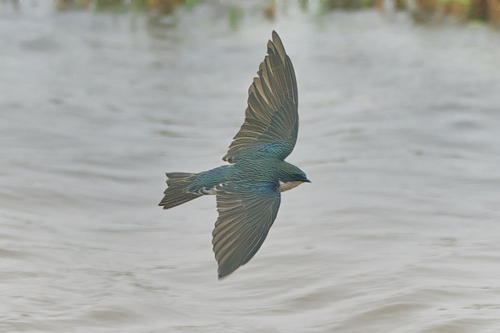 Tree Swallow
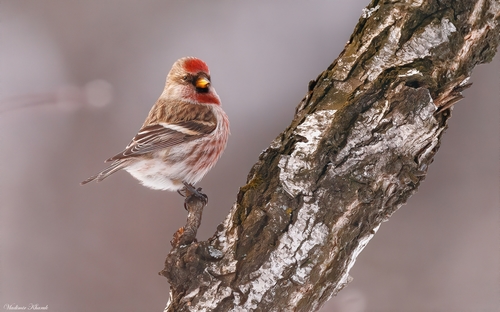 Organetto
In breve
Il modo più affidabile per separare il Tree Swallow dall'Organetto—specialmente in volo o a distanza—è attraverso la struttura generale e il modello delle ali: il Tree Swallow è un aereo elegante e dalle ali lunghe con un aspetto snello, simile a quello di una rondine, mentre l'Organetto è un fringuello compatto e tozzo con una coda corta e incisa e senza volo simile a quello delle rondini. I Tree Swallow giovani possono essere confusi a causa della loro parte superiore marrone, ma mostrano sempre parti inferiori bianche pulite e non presentano striature o rosso sul viso. Gli Organetti, anche i giovani, mostrano forti striature sul corpo, un piccolo becco giallastro e una distintiva macchia rossa sulla fronte nella maggior parte delle livree. Entrambe le specie possono apparire simili in dimensioni, ma la loro forma, comportamento e dettagli della livrea sono molto diversi una volta che si guarda da vicino.
Consigli di identificazione
- Stile e forma di volo: Il Tree Swallow è inconfondibilmente simile a una rondine in volo: ali lunghe e appuntite, corpo snello e volo veloce, agile, planante o in picchiata. L'Organetto ha un volo rimbalzante e ondulato tipico dei fringuelli, con ali più corte e arrotondate e un corpo compatto.
- Forma del becco: Il Tree Swallow ha un piccolo becco nero e appuntito adatto per catturare insetti. L'Organetto ha un becco corto, conico e giallastro con una punta scura, perfetto per mangiare semi. Questo è spesso visibile anche a distanza con buona luce.
- Forma della coda: La coda del Tree Swallow è di media lunghezza e leggermente biforcuta, particolarmente evidente in volo. La coda dell'Organetto è più corta, più incisa e mai profondamente biforcuta.
- Confusione nei giovani: I Tree Swallow giovani sono marroni sopra ma hanno sempre parti inferiori e guance bianche pulite, mai striate o con rosso. I giovani Organetti sono striati sotto e mancano dell'aspetto bianco puro del Tree Swallow.
- Macchia rossa sulla fronte: Gli Organetti (adulti e la maggior parte degli immaturi) mostrano una brillante macchia rossa sulla fronte—mai presente nel Tree Swallow di qualsiasi età o sesso.
- Striature del corpo: Gli Organetti sono pesantemente striati sui fianchi e sulla schiena in tutte le livree. Il Tree Swallow è sempre uniforme sotto (bianco o grigiastro), mai striato.
- Strisce sulle ali: L'Organetto mostra due strisce chiare su ciascuna ala, visibili sia in posizione perpendicolare che in volo. Il Tree Swallow non ha affatto strisce sulle ali.
- Schema del viso: L'Organetto ha un petto nero e un modello facciale più complesso, inclusa la macchia rossa sulla fronte e a volte un supercilium chiaro. Il viso del Tree Swallow è bianco uniforme con un occhio scuro, privo di qualsiasi petto o rosso.
- Colore della parte superiore: L'adulto Tree Swallow è blu-verde lucido sopra (maschi) o blu/marrone più opaco (femmine/immaturi). L'Organetto è sempre grigio-marrone e striato, mai lucido o blu.
- Coda e vent: L'Organetto ha una coda striata e una larga striscia ventrale scura. La coda del Tree Swallow è uniforme, abbinata alla parte superiore, e la parte inferiore è pulita.
- Colore delle gambe: Il Tree Swallow ha gambe e piedi marrone chiaro; le gambe dell'Organetto sono marroni, ma questo è raramente diagnostico nel campo.
- Postura in posizione perpendicolare: Il Tree Swallow si siede dritto e snello, spesso su fili o posatoi esposti. L'Organetto è più propenso a rannicchiarsi o aggrapparsi a teste di semi o rami, a volte alimentandosi a testa in giù.
- Contesto dell'habitat: Il Tree Swallow è quasi sempre vicino all'acqua o a campi aperti, specialmente durante la stagione di nidificazione. L'Organetto si trova in boschi boreali, campi infestati o presso mangiatoie, spesso in grandi stormi in inverno.
- Contesto stagionale: In Nord America, il Tree Swallow è presente principalmente dalla primavera all'autunno (stagione di nidificazione), mentre l'Organetto è più spesso visto in inverno, specialmente durante le irruzioni.
- Effetti di sesso e età: Le femmine e i giovani Tree Swallow possono essere più marroni, ma mai striati o con il viso rosso. I maschi Organetti possono mostrare una sfumatura rosata sul petto, ma tutti gli Organetti hanno striature e la macchia rossa sulla fronte.
Taglia
Il Tree Swallow è leggermente più pesante e con ali più lunghe, misurando 12–14 cm di lunghezza con un'apertura alare di 30–35 cm e una massa di 17–25,5 g [wikipedia]. L'Organetto è un po' più leggero e compatto, lungo 11,5–14 cm, apertura alare 19–22 cm e massa 12–16 g [wikipedia]. Sul campo, il Tree Swallow appare più lungo e snello, con ali e coda proporzionalmente più lunghe, mentre l'Organetto appare più rotondo e simile a un fringuello, con un becco corto e tozzo e una coda più corta e incisa.
Piumaggio
I Tree Swallow giovani e di primo anno hanno parti superiori marroni e petti grigio-marroni, ma mostrano sempre parti inferiori e guance bianche pulite, senza striature o rosso ovunque [wikipedia]. Le femmine di secondo anno possono mostrare una miscela di marrone e blu sulla schiena. Gli adulti Tree Swallow (soprattutto i maschi) sono blu-verde lucido sopra con ali e coda nerastre, e parti inferiori bianche pure. Gli Organetti di tutte le età sono grigio-marroni con pesanti striature scure sul corpo, un petto nero e due strisce chiare sulle ali. Il segno chiave è la brillante macchia rossa sulla fronte (presente negli adulti e nella maggior parte degli immaturi), e i maschi spesso hanno una sfumatura rosata sul petto. Gli Organetti mostrano una coda striata e una larga striscia ventrale scura, mai pulita e bianca sotto. Il becco è giallastro con una punta scura, e il viso è spesso più decorato di qualsiasi Tree Swallow. In volo, il Tree Swallow mostra ali lunghe e appuntite e un corpo snello, mentre le ali dell'Organetto sono più corte e arrotondate, corrispondenti alla sua forma compatta complessiva.
Comportamento
Il Tree Swallow è quasi sempre visto volare acrobaticamente, spesso in alto sopra l'acqua o campi aperti, catturando insetti in aria. Si posano su fili o rami esposti ma raramente si alimentano a terra. L'Organetto è un fringuello che mangia semi, solitamente visto cercare cibo sugli alberi o a terra, spesso in stormi. Il suo volo è ondulato e meno grazioso di quello della rondine, e frequentemente si appende a rami o si alimenta a testa in giù. Il volo del Tree Swallow è diretto, veloce e galleggiante, mentre quello dell'Organetto è rimbalzante e meno snello.
Habitat
Il Tree Swallow preferisce habitat aperti vicino all'acqua—laghi, paludi e campi—specialmente dove ci sono cassette nido o cavità naturali. È raramente trovato in foreste dense o parchi urbani lontani dall'acqua. L'Organetto nidifica nelle foreste boreali settentrionali e nella tundra, ma in inverno può essere trovato in campi infestati, boschetti di betulle e ontani, e a volte presso mangiatoie, spesso lontano dall'acqua. Se vedi un uccello in un denso stormo che si nutre di semi di betulla o presso una mangiatoia in inverno, è molto più probabile che sia un Organetto.