

Tree Swallow vs Rondine
Tachycineta bicolor contro Hirundo rustica
Fai un quiz con Tree Swallow e Rondine
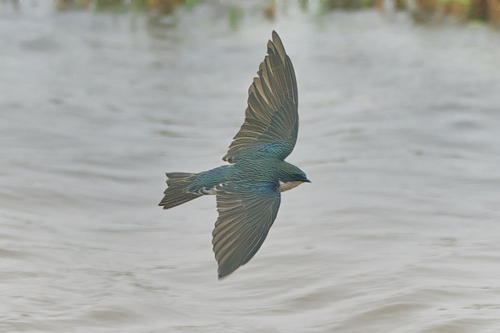 Tree Swallow
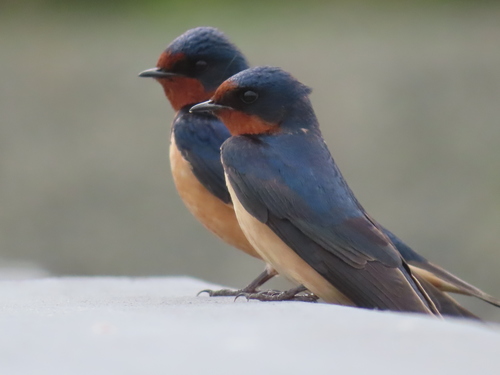 Rondine
In breve
Il segno distintivo più affidabile tra Tree Swallow e Rondine è la coda: la Rondine ha una coda lunga e profondamente biforcuta con streamers allungati (soprattutto negli adulti), mentre la coda del Tree Swallow è più corta e solo leggermente intagliata. In volo, gli streamers lunghi della coda della Rondine e la banda blu sul petto sono distintivi, mentre il Tree Swallow mostra un ventre bianco compatto e pulito senza banda sul petto. I Tree Swallow giovani sono marroni sopra e mancano di qualsiasi rufous sul viso, mentre i giovani Rondini sono complessivamente più marroni ma mostrano un viso rufous pallido e un accenno di banda sul petto. Entrambe le specie sono insetti aerei, ma la Rondine spesso si posa sui fili e cerca cibo su campi aperti, mentre il Tree Swallow è più probabile che si trovi sopra l'acqua o le paludi.
Consigli di identificazione
- Forma e lunghezza della coda: La Rondine (adulto) ha una coda lunga e profondamente biforcuta con streamers allungati e macchie bianche vicino alla punta; la coda del Tree Swallow è corta e solo leggermente intagliata. Questo è il segno più affidabile, soprattutto in volo o quando è posato con la coda visibile.
- Banda sul petto: La Rondine (tutte le età tranne i giovani molto piccoli) mostra una banda blu scura sul petto che separa la gola rufous dal ventre pallido; il Tree Swallow ha sempre un petto bianco pulito e senza segni.
- Colore del viso: La Rondine ha una fronte, un mento e una gola rufous (rossiccia); il viso del Tree Swallow è bianco, a volte con una macchia scura sulla guancia, ma mai rufous.
- Lucentezza delle parti superiori: Il Tree Swallow (maschio adulto) è blu-verde lucido sopra; la Rondine è blu acciaio sopra. In scarsa luce, questa differenza può essere sottile, ma il Tree Swallow è generalmente più luminoso e verde.
- Confusione giovanile: Il Tree Swallow giovane è marrone sopra con un petto grigio-marrone, mancante di qualsiasi rufous o banda sul petto. La Rondine giovane è marrone sopra ma mostra sempre un viso rufous pallido e una banda sul petto debole. Se vedi una rondine marrone con un viso rufous, è la Rondine.
- Coda nei giovani: La Rondine giovane manca degli streamers lunghi della coda, ma la coda è ancora più profondamente biforcuta di quella del Tree Swallow, e il viso rufous e la banda sul petto rimangono utili.
- Postura posata: La Rondine appare più allungata e snella, spesso posandosi su fili o recinzioni; il Tree Swallow è compatto e con coda corta, spesso posato su rami vicino all'acqua.
- Stile di volo: Il volo della Rondine è acrobatico e ampio, con gli streamers lunghi della coda che si trascinano dietro; il volo del Tree Swallow è più diretto e compatto, con battiti d'ala rapidi e superficiali.
- Colore sotto le ali: Il Tree Swallow ha copritrici sotto le ali grigio-marroni, ma questo è raramente visibile sul campo e non è un segno primario.
- Femmina/immatura Tree Swallow: Le femmine di secondo anno possono mostrare parti superiori marroni con alcune piume blu, ma non mostrano mai rufous sul viso o una banda sul petto. Questo può confondere gli osservatori, ma la mancanza di colore facciale e banda sul petto è fondamentale.
- Contesto dell'habitat: Se viste sopra acqua aperta o paludi, specialmente all'inizio della stagione, è più probabile che sia il Tree Swallow. La Rondine è più probabile attorno a campi aperti, terreni agricoli e strutture umane.
- Becco e zampe: Entrambi hanno becchi neri piccoli, ma questo non è un segno utile per la separazione.
- Vocalizzazioni: Le chiamate non sono separabili in modo affidabile sul campo a meno che tu non sia molto familiare con entrambe le specie.
- Impressione di dimensione: La Rondine appare più lunga e più snella, soprattutto con gli streamers della coda visibili; il Tree Swallow è più corto e più robusto.
- Contesto stagionale: All'inizio della primavera, il Tree Swallow spesso arriva prima della Rondine nelle aree settentrionali, ma c'è molta sovrapposizione.
Taglia
La Rondine è visibilmente più lunga nel complesso (17–19 cm) rispetto al Tree Swallow (12–14 cm), principalmente a causa delle sue piume esterne della coda allungate. Tuttavia, le loro aperture alari sono simili (Rondine: 32–34,5 cm; Tree Swallow: 30–35 cm), e i loro pesi si sovrappongono (Rondine: 16–22 g; Tree Swallow: 17–25,5 g). La differenza di lunghezza è più evidente quando gli streamers della coda della Rondine sono visibili. Quando è posata, la Rondine appare più snella e allungata, mentre il Tree Swallow è compatto e con coda corta.
Piumaggio
-
Uccelli giovani/immaturi: Il Tree Swallow giovane è marrone sopra con un lavaggio grigio-marrone sul petto e manca di qualsiasi rufous sul viso o sulla gola. La Rondine giovane è anch'essa marrone sopra ma mostra un viso rufous più chiaro e parti inferiori più bianche, e anche i giovani uccelli mostrano un accenno della banda scura sul petto. Le Rondini giovani mancano degli streamers lunghi della coda degli adulti, il che può farle sembrare superficialmente simili al Tree Swallow, ma il viso rufous e la banda sul petto rimangono distintivi.
-
Maschi adulti: I maschi del Tree Swallow sono blu-verde lucido sopra, con parti inferiori e guance bianche, e un petto pulito e senza segni. I maschi della Rondine sono blu acciaio sopra, con una fronte, un mento e una gola rufous, separati dal ventre bianco sporco da una larga banda blu sul petto. La lunga coda profondamente biforcuta con macchie bianche è diagnostica.
-
Femmine adulte: La femmina del Tree Swallow è meno lucida del maschio, a volte con una fronte o parti superiori marroni, ma manca ancora di qualsiasi rufous o banda sul petto. La femmina della Rondine è simile al maschio ma con streamers della coda più corti, parti superiori meno lucide e parti inferiori più chiare; il viso rufous e la banda sul petto sono ancora presenti.
-
Femmine di secondo anno/immature: Le femmine di secondo anno del Tree Swallow possono mostrare una miscela di marrone e blu sulle parti superiori, ma non mostrano mai un viso rufous o una banda sul petto. Le immaturi della Rondine mostrano sempre un po' di rufous sul viso e una banda sul petto.
Comportamento
Entrambe le specie sono agili insetti aerei, ma la Rondine spesso si posa su fili, recinzioni o rami aperti, ed è più probabile essere vista cercare cibo su campi aperti e terreni agricoli. Il Tree Swallow è più strettamente associato all'acqua e alle paludi, spesso visto planare basso su stagni o laghi. Il volo della Rondine è più acrobatico e ampio, accentuato dai suoi lunghi streamers della coda, mentre il volo del Tree Swallow è diretto e compatto.
Habitat
Il Tree Swallow nidifica in Nord America, preferendo aree aperte vicino all'acqua, paludi e campi con cavità per nidi disponibili (naturali o artificiali). La Rondine è più cosmopolita, nidificando in tutto l'emisfero settentrionale e preferendo campi aperti, terreni agricoli e strutture umane per il nido (fienili, ponti, eaves). In Nord America, la Rondine è più probabile attorno a insediamenti umani e campi aperti, mentre il Tree Swallow è più spesso trovato vicino all'acqua.
Voce
Entrambe le specie hanno chiamate cinguettanti, ma le note non forniscono descrizioni dettagliate delle loro vocalizzazioni per la separazione sul campo. Le chiamate della Rondine includono un 'siflitt' acuto per i predatori e un 'flitt-flitt' per gli uccelli rapaci, ma questi non sono tipicamente diagnostici sul campo a meno che l'osservatore non sia familiare con essi.