

Golondrina Bicolor vs Golondrina Común
Tachycineta bicolor frente a Hirundo rustica
Juega un quiz con Golondrina Bicolor y Golondrina Común
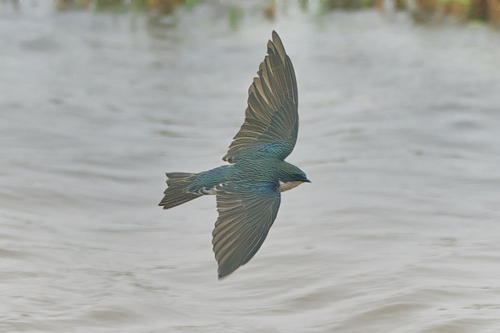 Golondrina Bicolor
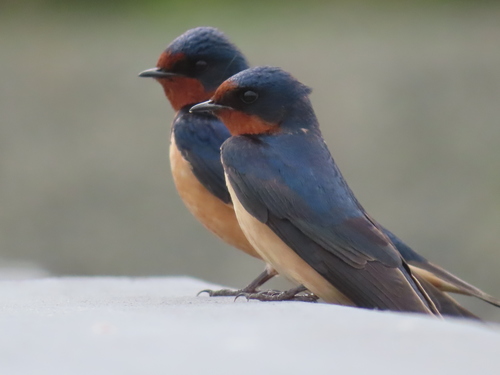 Golondrina Común
En breve
La marca de campo más confiable entre Golondrina Bicolor y Golondrina Común es la cola: Golondrina Común tiene una cola larga y profundamente bifurcada con streamers alargados (especialmente en los adultos), mientras que la cola de Golondrina Bicolor es más corta y solo ligeramente muescada. En vuelo, los largos streamers de la cola de Golondrina Común y la banda azul del pecho son distintivos, mientras que Golondrina Bicolor muestra un vientre blanco compacto y limpio sin banda en el pecho. Las Golondrinas Bicolor juveniles son marrones por encima y carecen de cualquier rufous en la cara, mientras que las Golondrinas Comunes juveniles son más marrones en general pero muestran una cara rufous pálida y un indicio de una banda en el pecho. Ambas especies son insectívoras aéreas, pero Golondrina Común a menudo se posa en cables y forrajea sobre campos abiertos, mientras que Golondrina Bicolor es más probable que se encuentre sobre agua o pantanos.
Consejos de identificación
- Forma y longitud de la cola: Golondrina Común (adulto) tiene una cola larga y profundamente bifurcada con streamers alargados y manchas blancas cerca de la punta; la cola de Golondrina Bicolor es corta y solo ligeramente muescada. Esta es la marca más confiable, especialmente en vuelo o cuando está posada con la cola visible.
- Banda en el pecho: Golondrina Común (todas las edades excepto los juveniles muy jóvenes) muestra una banda en el pecho azul oscuro que separa la garganta rufous del vientre pálido; Golondrina Bicolor siempre tiene un pecho blanco limpio y sin marcas.
- Color de la cara: Golondrina Común tiene una frente, barbilla y garganta rufous; la cara de Golondrina Bicolor es blanca, a veces con una mancha oscura en la mejilla, pero nunca rufous.
- Brillo de las partes superiores: Golondrina Bicolor (macho adulto) es de un azul-verde brillante por encima; Golondrina Común es azul acero por encima. En luz pobre, esta diferencia puede ser sutil, pero Golondrina Bicolor es generalmente más brillante y verde.
- Confusión juvenil: Golondrina Bicolor juvenil es marrón por encima con un pecho marrón grisáceo, careciendo de cualquier rufous o banda en el pecho. Golondrina Común juvenil es marronosa por encima pero siempre muestra una cara rufous pálida y una banda en el pecho débil. Si ves una golondrina marrón con una cara rufous, es Golondrina Común.
- Cola en juveniles: Golondrina Común juvenil carece de los largos streamers de la cola, pero la cola sigue siendo más profundamente bifurcada que la de Golondrina Bicolor, y la cara rufous y la banda en el pecho siguen siendo útiles.
- Postura posada: Golondrina Común parece más alargada y esbelta, a menudo posándose en cables o cercas; Golondrina Bicolor es compacta y de cola corta, a menudo posada en ramas cerca del agua.
- Estilo de vuelo: El vuelo de Golondrina Común es acrobático y barrido, con los largos streamers de la cola arrastrándose detrás; el vuelo de Golondrina Bicolor es más directo y compacto, con aleteos rápidos y superficiales.
- Color de las alas inferiores: Golondrina Bicolor tiene cobertoras de alas inferiores marrón grisáceo, pero esto rara vez es visible en el campo y no es una marca primaria.
- Hembra/juvenil de Golondrina Bicolor: Las hembras de segundo año pueden mostrar partes superiores marrones con algunas plumas azules, pero nunca muestran rufous en la cara o una banda en el pecho. Esto puede confundir a los observadores, pero la falta de color facial y banda en el pecho es clave.
- Contexto de hábitat: Si se ve sobre agua abierta o pantanos, especialmente al principio de la temporada, es más probable que sea Golondrina Bicolor. Golondrina Común es más probable que se encuentre alrededor de campos abiertos, tierras agrícolas y estructuras humanas.
- Pico y patas: Ambas tienen picos pequeños y negros, pero esto no es una marca útil para la separación.
- Vocalizaciones: Los llamados no son separables de manera confiable en el campo a menos que estés muy familiarizado con ambas especies.
- Impresión de tamaño: Golondrina Común parece más larga y esbelta, especialmente con los streamers de la cola visibles; Golondrina Bicolor es más corta y robusta.
- Contexto estacional: A principios de primavera, Golondrina Bicolor a menudo llega antes que Golondrina Común en áreas del norte, pero hay mucho solapamiento.
Tamaño
Golondrina Común es notablemente más larga en general (17–19 cm) que Golondrina Bicolor (12–14 cm), principalmente debido a sus plumas de cola exteriores alargadas. Sin embargo, sus envergaduras son similares (Golondrina Común: 32–34.5 cm; Golondrina Bicolor: 30–35 cm), y sus pesos se superponen (Golondrina Común: 16–22 g; Golondrina Bicolor: 17–25.5 g). La diferencia de longitud es más obvia cuando los streamers de la cola de Golondrina Común son visibles. Cuando está posada, Golondrina Común parece más esbelta y alargada, mientras que Golondrina Bicolor es compacta y de cola corta.
Plumaje
-
Aves juveniles/inmaduras: Golondrina Bicolor juvenil es marrón por encima con un lavado marrón grisáceo en el pecho y carece de cualquier rufous en la cara o garganta. Golondrina Común juvenil también es marronosa por encima pero muestra una cara rufous más pálida y partes inferiores más blancas, e incluso los jóvenes muestran un indicio de la banda oscura en el pecho. Las Golondrinas Comunes juveniles carecen de los largos streamers de la cola de los adultos, lo que puede hacer que sean superficialmente similares a Golondrina Bicolor, pero la cara rufous y la banda en el pecho siguen siendo distintivas.
-
Machos adultos: Los machos de Golondrina Bicolor son de un azul-verde brillante por encima, con partes inferiores y mejillas blancas, y un pecho limpio y sin marcas. Los machos de Golondrina Común son de un azul acero por encima, con una frente, barbilla y garganta rufous, separados del vientre blanco sucio por una amplia banda azul en el pecho. La cola larga y profundamente bifurcada con manchas blancas es diagnóstica.
-
Hembras adultas: La hembra de Golondrina Bicolor es más apagada que el macho, a veces con una frente o partes superiores marrones, pero aún carece de cualquier rufous o banda en el pecho. La hembra de Golondrina Común es similar al macho pero con streamers de cola más cortos, partes superiores menos brillantes y partes inferiores más pálidas; la cara rufous y la banda en el pecho siguen presentes.
-
Hembras de segundo año/inmaduras: Las hembras de segundo año de Golondrina Bicolor pueden mostrar una mezcla de marrón y azul en las partes superiores, pero nunca muestran una cara rufous o banda en el pecho. Las inmaduras de Golondrina Común siempre muestran algo de rufous en la cara y una banda en el pecho.
Comportamiento
Ambas especies son insectívoras aéreas ágiles, pero Golondrina Común a menudo se posa en cables, cercas o ramas abiertas, y es más probable que se vea forrajeando sobre campos abiertos y tierras agrícolas. Golondrina Bicolor está más asociada con el agua y los pantanos, a menudo vista deslizándose bajo sobre estanques o lagos. El vuelo de Golondrina Común es más acrobático y barrido, acentuado por sus largos streamers de cola, mientras que el vuelo de Golondrina Bicolor es directo y compacto.
Hábitat
Golondrina Bicolor cría en América del Norte, favoreciendo áreas abiertas cerca del agua, pantanos y campos con cavidades de nido disponibles (naturales o artificiales). Golondrina Común es más cosmopolita, criando en todo el Hemisferio Norte y favoreciendo el campo abierto, tierras agrícolas y estructuras humanas para anidar (graneros, puentes, aleros). En América del Norte, Golondrina Común es más probable que se encuentre alrededor de la vivienda humana y campos abiertos, mientras que Golondrina Bicolor se encuentra más a menudo cerca del agua.
Voz
Ambas especies tienen llamados trinos, pero las notas no proporcionan descripciones detalladas de sus vocalizaciones para la separación en el campo. Los llamados de Golondrina Común incluyen un agudo 'siflitt' para depredadores y un 'flitt-flitt' para aves de presa, pero estos no son típicamente diagnósticos en el campo a menos que el observador esté familiarizado con ellos.