

Tambourine Dove vs Southern Anteater-Chat
Turtur tympanistria contro Myrmecocichla formicivora
Fai un quiz con Tambourine Dove e Southern Anteater-Chat
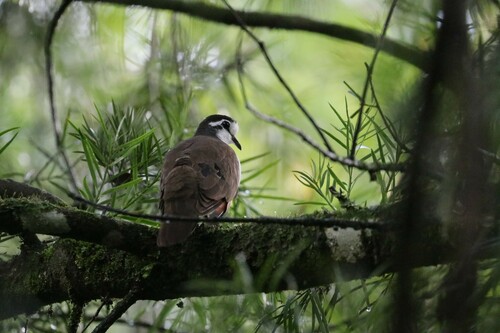 Tambourine Dove
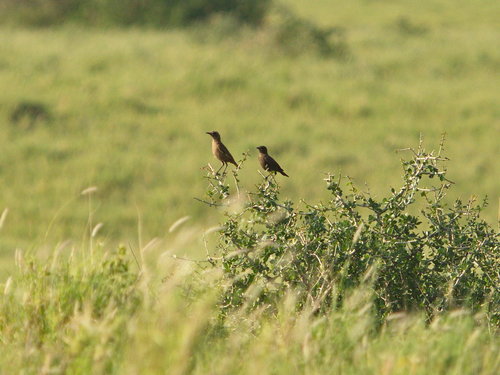 Southern Anteater-Chat
In breve
Il modo più affidabile per separare il Tambourine Dove dal Southern Anteater-Chat è attraverso la struttura generale e il volo: il Tambourine Dove è un piccolo piccione grasso con un becco corto e ali arrotondate, che mostra primarie e sottocoperte castane in volo (tutte le età), mentre il Southern Anteater-Chat è un uccello canoro snello e eretto con un becco sottile e senza castano nell'ala. I giovani Tambourine Dove hanno frange castane sulla schiena e sui fianchi, e anche le femmine opache sono più chiare sotto rispetto a qualsiasi Anteater-Chat. I maschi di ciascuna specie sono molto diversi (piccione con faccia bianca vs. chat completamente nera), ma è possibile confonderli con Anteater-Chat femminili/immaturi e Tambourine Dove femminili/immaturi a terra. Struttura, colore delle ali in volo e habitat sono i migliori indizi.
Consigli di identificazione
- Castano nell'ala (volo): Il Tambourine Dove di tutte le età lampeggia le penne primarie di volo castane e le sottocoperte quando viene spaventato—il Southern Anteater-Chat non mostra mai castano nell'ala. Questo è il miglior segno sul campo, specialmente per gli uccelli visti in volo.
- Piumaggio giovanile: Il giovane Tambourine Dove ha frange castane sulla schiena, sul petto e sui fianchi, ed è ancora più chiaro sotto rispetto a qualsiasi Anteater-Chat. Il giovane Anteater-Chat è marrone complessivamente e non mostra mai castano o un forte chiaro sotto.
- Struttura generale: Il Tambourine Dove è grasso, con un becco corto e compatto, con un aspetto simile a un piccione. Il Southern Anteater-Chat è più snello, con gambe più lunghe e più eretto, con un becco sottile tipico dei chat.
- Piumaggio del maschio adulto: Il maschio Tambourine Dove ha un'affascinante faccia bianca con una macchia nera dietro l'occhio e parti inferiori bianche; il maschio Anteater-Chat è quasi completamente nero. Qui la confusione è improbabile.
- Confusione femminile/immatura: Le femmine e i giovani Tambourine Dove sono più opachi ma hanno ancora parti inferiori bianche o chiare e mancano del marrone uniforme delle femmine Anteater-Chat. La femmina Anteater-Chat è marrone con becco e gambe grigie, e non mostra mai faccia bianca o castano nell'ala.
- Schema del viso: Il Tambourine Dove (maschio) ha una faccia bianca e una macchia nera dietro l'occhio; la femmina ha un viso grigio-bruno chiaro. L'Anteater-Chat (qualsiasi sesso) non ha una faccia bianca o una macchia oculare.
- Macchie sulle ali (posato): Il Tambourine Dove mostra grandi macchie viola scuro sulle ali piegate (maschio adulto); l'Anteater-Chat non mostra alcuna di queste macchie.
- Colore delle parti inferiori: Il Tambourine Dove è sempre più chiaro sotto, anche nei piumaggi giovanili o femminili, rispetto all'Anteater-Chat, che è marrone o nero sotto.
- Colore delle gambe e del becco: Il Tambourine Dove ha un anello oculare e piedi rosso-viola, e un becco viola; la femmina Anteater-Chat ha becco e gambe grigie.
- Stile di volo: Il Tambourine Dove vola veloce, basso e agile, tipico dei piccioni. Il volo dell'Anteater-Chat non è descritto, ma i chat sono generalmente meno diretti e meno potenti in volo.
- Habitat: Foresta densa, giardini o piantagioni favoriscono fortemente il Tambourine Dove; praterie aperte e secche o terreni arbustivi sono territorio del Southern Anteater-Chat. L'habitat da solo può spesso separarli.
- Comportamento alimentare: Il Tambourine Dove è terrestre, si nutre a terra di semi e piccoli frutti, spesso spaventato da nascondigli. L'Anteater-Chat è più probabile che venga visto posato eretto su rocce o arbusti in campagna aperta.
- Socialità: Il Tambourine Dove è solitamente solitario o in piccoli gruppi familiari; l'Anteater-Chat può essere più appariscente e meno timido.
- Voce: Un ripetuto 'du-du-du-du-du' conferma il Tambourine Dove. La mancanza di un richiamo simile dall'Anteater-Chat può aiutare, ma il silenzio non è diagnostico.
- Trappole: Le femmine e i giovani Tambourine Dove sono più opachi e possono essere confusi con chat marroni, ma controlla sempre le parti inferiori chiare, il castano nell'ala (in volo) e la forma compatta del piccione. L'Anteater-Chat non mostra mai castano, faccia bianca, o struttura simile a un piccione.
Taglia
Il Tambourine Dove è visibilmente più pesante e compatto, con una massa corporea di circa 67g rispetto ai 42g dell'Anteater-Chat. Il piccione è anche descritto come 'grasso' e tipicamente lungo 22 cm, mentre l'Anteater-Chat è più snello e più eretto. Sul campo, il volume del piccione e il becco corto contrastano con la costruzione più leggera e slanciata del chat e la postura con gambe più lunghe.
Piumaggio
Il giovane Tambourine Dove mostra frange castane sulla schiena, sul petto e sui fianchi, e tutte le età mostrano penne primarie di volo castane e sottocoperte in volo—un segno unico non mostrato dall'Anteater-Chat. Il maschio adulto Tambourine Dove ha una faccia bianca con una macchia nera dietro l'occhio, parti inferiori bianche e grandi macchie viola scuro sulle ali piegate; le femmine sono più opache, con faccia e petto grigio-bruno chiaro, ma ancora più chiare sotto rispetto a qualsiasi Anteater-Chat. I maschi del Southern Anteater-Chat sono quasi tutti neri, mentre le femmine sono complessivamente marroni con becco e gambe grigie, mancando di qualsiasi faccia bianca o castano nell'ala. Il piccione appare sempre più chiaro sotto, anche nei piumaggi giovanili o femminili, rispetto al chat.
Comportamento
Il Tambourine Dove è timido, solitamente solitario o in piccoli gruppi familiari, e viene visto più spesso quando viene spaventato dal suolo della foresta, volando basso e veloce con un volo agile e diretto. Si nutre principalmente a terra di semi e piccoli frutti. Il Southern Anteater-Chat è più eretto, spesso posato su arbusti bassi o rocce, ed è adattato a praterie aperte e secche e terreni arbustivi. Il comportamento del chat è più appariscente e meno segreto rispetto a quello del piccione.
Habitat
Il Tambourine Dove è strettamente un uccello di foreste fitte, giardini densi e piantagioni, raramente avventurandosi in campagna aperta. È assente da aree secche e aperte. Il Southern Anteater-Chat, al contrario, si trova in terreni arbustivi e praterie secche subtropicali o tropicali, spesso in ambienti molto più aperti e aridi. Se l'uccello si trova in una foresta densa o in giardini lussureggianti, il Tambourine Dove è molto più probabile; in praterie aperte o cespugli secchi, aspettati il Southern Anteater-Chat.
Voce
Il Tambourine Dove emette un richiamo ripetuto 'du-du-du-du-du'. Non c'è descrizione vocale per il Southern Anteater-Chat nelle note fornite, quindi la voce è utile solo per confermare il piccione.
Tambourine Dove · Southern Anteater-Chat · I miei uccelli difficili