

Tordo di Swainson vs Tordo bottaccio
Catharus ustulatus contro Turdus philomelos
Fai un quiz con Tordo di Swainson e Tordo bottaccio
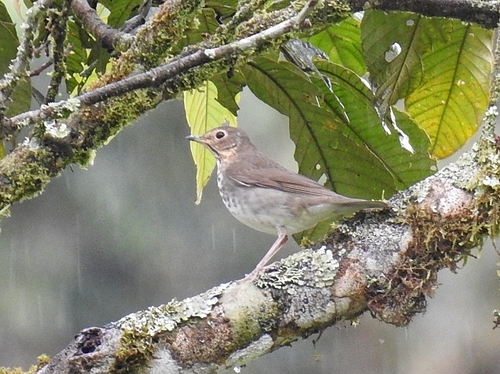 Tordo di Swainson
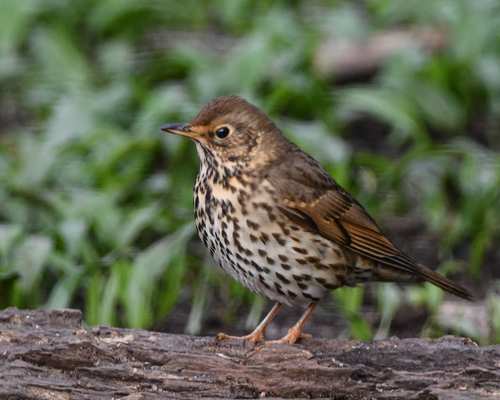 Tordo bottaccio
In breve
Il segno distintivo più affidabile tra il Tordo di Swainson e il Tordo bottaccio è il colore dell'ala inferiore in volo: il Tordo di Swainson mostra un motivo di ala inferiore bianco-scuro-bianco, mentre il Tordo bottaccio ha un'ala inferiore gialla calda. Il Tordo di Swainson è più piccolo e snello, con una struttura più delicata e un anello oculare pallido distinto, mentre il Tordo bottaccio è più robusto, con un dorso marrone uniforme e macchie nere nette e audaci su parti inferiori crema o buff. I giovani Tordi bottacci mostrano striature buff o arancioni sul dorso e sulle copritrici delle ali, che mancano nel Tordo di Swainson. La voce e il canto sono anche distintivi, ma sul campo, il colore dell'ala inferiore e la struttura generale sono i punti di separazione più rapidi.
Consigli di identificazione
- Colore dell'ala inferiore in volo: il Tordo di Swainson mostra un motivo di ala inferiore bianco-scuro-bianco; il Tordo bottaccio ha un'ala inferiore gialla calda. Questo è uno dei più rapidi segni di separazione sul campo se vedi l'uccello in volo (tutte le età).
- Parte superiore giovanile: i giovani Tordi bottacci hanno striature buff o arancioni sul dorso e sulle copritrici delle ali, assenti nel Tordo di Swainson. Se vedi queste striature, è un Tordo bottaccio.
- Anello oculare: il Tordo di Swainson ha un prominente anello oculare marrone chiaro, che conferisce un aspetto 'con occhiali'. Il Tordo bottaccio manca di questa caratteristica e ha un volto più semplice.
- Macchie sul petto: il Tordo bottaccio ha macchie nere nette e audaci su parti inferiori crema o giallo-buff, specialmente sul petto e sui fianchi. Il Tordo di Swainson ha macchie più fini e meno contrastanti su uno sfondo più chiaro e bianco.
- Tono delle parti superiori: il Tordo di Swainson è marrone sopra, con gli uccelli orientali più oliva e quelli occidentali più rugginosi. Il Tordo bottaccio è marrone uniforme, ma il tono può essere più freddo nelle popolazioni orientali.
- Colore del becco: il Tordo di Swainson ha un becco più corto e delicato; il becco del Tordo bottaccio è giallastro e più robusto.
- Colore delle gambe: entrambi hanno gambe rosa, quindi questo non è un separatore affidabile.
- Dimensioni e struttura: il Tordo bottaccio è più grande, più robusto e più massiccio, con un corpo più rotondo. Il Tordo di Swainson è più snello e leggero.
- Canto: il Tordo di Swainson canta un canto etereo, a spirale verso l'alto, simile a un flauto; il Tordo bottaccio ripete frasi musicali, spesso con mimetismo e volume.
- Richiamo: il Tordo bottaccio emette un 'tsip' o 'chook-chook' acuto; il richiamo del Tordo di Swainson è meno distintivo in queste note.
- Habitat: il Tordo di Swainson si trova in fitte foreste nordamericane; il Tordo bottaccio è comune in giardini, parchi e boschi europei.
- Contesto geografico: in Europa, un tordo con un forte anello oculare è improbabile che sia un Tordo bottaccio; in Nord America, un tordo massiccio con macchie audaci è improbabile che sia un Tordo di Swainson.
- Comportamento in perching: il Tordo bottaccio spesso si posa in luoghi aperti; il Tordo di Swainson è più riservato e rimane più in basso nel riparo.
- Stile di volo: il Tordo bottaccio appare più robusto e diretto in volo; il Tordo di Swainson è più leggero e più svolazzante.
- Trappole: Fai attenzione a confondere i giovani Tordi bottacci con altri tordi macchiati; controlla sempre la presenza o l'assenza dell'anello oculare e del colore dell'ala inferiore in volo.
Taglia
Il Tordo bottaccio è notevolmente più grande e pesante, con una massa corporea media di 72 g rispetto ai 23–45 g del Tordo di Swainson. Il Tordo bottaccio misura 20–23,5 cm di lunghezza, mentre il Tordo di Swainson è di 16–20 cm. Sul campo, il Tordo bottaccio appare più massiccio e robusto, mentre il Tordo di Swainson è più snello e più delicato nel complesso.
Piumaggio
- Uccelli giovani/immaturi: i giovani Tordi bottacci hanno striature buff o arancioni sul dorso e sulle copritrici delle ali, una caratteristica assente nel Tordo di Swainson di qualsiasi età. I giovani Tordi di Swainson somigliano agli adulti nel modello generale, mancando di queste striature.
- Ala inferiore (tutte le età): il Tordo di Swainson mostra un motivo di ala inferiore bianco-scuro-bianco tipico dei tordi del genere Catharus. Il Tordo bottaccio ha un'ala inferiore gialla calda, particolarmente visibile in volo.
- Parti superiori: il Tordo di Swainson è marrone sopra, con gli uccelli orientali più marrone oliva e quelli occidentali più marrone rugginoso. Il Tordo bottaccio è marrone uniforme sopra, ma il tono varia geograficamente (più freddo nell'est del suo areale).
- Parti inferiori: il Tordo di Swainson ha parti inferiori bianche con fianchi marroni e un petto marrone più chiaro, finemente macchiato. Il Tordo bottaccio ha parti inferiori crema o giallo-buff con macchie nere nette e ben definite, specialmente sul petto e sui fianchi, che diventano più chiare sull'addome.
- Faccia: il Tordo di Swainson ha un distintivo anello oculare marrone chiaro, che conferisce un aspetto 'con occhiali'. Il Tordo bottaccio manca di un forte anello oculare.
- Becco e gambe: il Tordo di Swainson ha gambe rosa e un becco più corto e delicato. Il Tordo bottaccio ha un becco giallastro e gambe/piedi rosa.
Comportamento
Entrambe le specie cercano cibo a terra e in vegetazione bassa, ma il Tordo bottaccio è più robusto e spesso visto in prati o giardini aperti, mentre il Tordo di Swainson preferisce boschi fitti ed è più riservato. I Tordi bottacci sono più propensi a essere visti posati in luoghi aperti o cantando da tetti e alberi. Il Tordo di Swainson tende a rimanere più in basso ed è meno appariscente quando canta.
Habitat
Il Tordo di Swainson è una specie nordamericana, tipicamente trovata in fitte foreste, specialmente durante la migrazione e la riproduzione. Il Tordo bottaccio è nativo del Paleartico occidentale ed è comune in una varietà più ampia di habitat, inclusi giardini, parchi, boschi e siepi. Se visto in Europa, un tordo è improbabile che sia un Tordo di Swainson; in Nord America, il Tordo bottaccio sarebbe una rarità significativa.
Voce
Il Tordo di Swainson ha una serie affrettata di toni simili a un flauto che spirale verso l'alto, spesso descritti come eterei e ascensionali. Il Tordo bottaccio emette un canto forte e chiaro di frasi musicali ripetute, a volte mimando altre specie o anche suoni artificiali. I Tordi bottacci sono tra i più rumorosi per la loro dimensione, mentre il Tordo di Swainson è più musicale e meno ripetitivo. Anche i loro richiami differiscono: il Tordo bottaccio emette un 'tsip' o 'chook-chook' acuto, mentre il Tordo di Swainson è meno ben descritto qui.
Tordo di Swainson · Tordo bottaccio · I miei uccelli difficili