

Zorzalito de Swainson vs Zorzal Común
Catharus ustulatus frente a Turdus philomelos
Juega un quiz con Zorzalito de Swainson y Zorzal Común
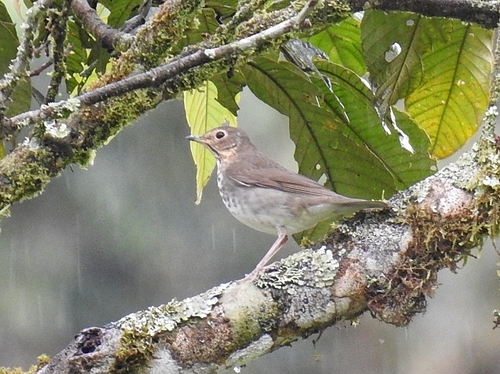 Zorzalito de Swainson
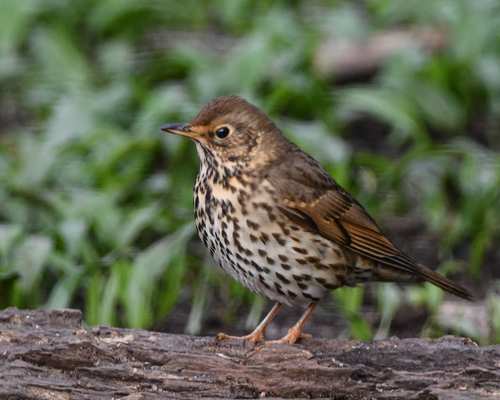 Zorzal Común
En breve
La marca de campo más confiable entre el Zorzalito de Swainson y el Zorzal Común es el color del ala inferior en vuelo: el Zorzalito de Swainson muestra un patrón de ala inferior blanco-negro-blanco, mientras que el Zorzal Común tiene un ala inferior amarilla cálida. El Zorzalito de Swainson es más pequeño y delgado, con una construcción más delicada y un anillo ocular pálido distinto, mientras que el Zorzal Común es más robusto, con una espalda marrón simple y manchas negras audaces y ordenadas en partes inferiores crema o color beige. Los Zorzales Comunes juveniles muestran rayas beige o naranjas en la espalda y las cobertoras de las alas, que el Zorzalito de Swainson no tiene. La voz y el canto también son distintos, pero en el campo, el color del ala inferior y la estructura general son los puntos de separación más rápidos.
Consejos de identificación
- Color del ala inferior en vuelo: el Zorzalito de Swainson muestra un patrón de ala inferior blanco-negro-blanco; el Zorzal Común tiene un ala inferior amarilla cálida. Esta es una de las separaciones de campo más rápidas si ves al ave en vuelo (todas las edades).
- Partes superiores juveniles: los Zorzales Comunes juveniles tienen rayas beige o naranjas en la espalda y las cobertoras de las alas, que faltan en el Zorzalito de Swainson. Si ves estas rayas, es un Zorzal Común.
- Anillo ocular: el Zorzalito de Swainson tiene un prominente anillo ocular marrón pálido, que da un aspecto de gafas. El Zorzal Común carece de esta característica y tiene una cara más simple.
- Manchas en el pecho: el Zorzal Común tiene manchas negras audaces y ordenadas en partes inferiores crema o amarillo-beige, especialmente en el pecho y los flancos. El Zorzalito de Swainson tiene manchas más finas y menos contrastantes en un fondo más pálido y blanco.
- Tono de las partes superiores: el Zorzalito de Swainson es marrón por encima, con aves del este más oliva y aves del oeste más rojizas. El Zorzal Común es marrón simple, pero el tono puede ser más frío en poblaciones del este.
- Color del pico: el Zorzalito de Swainson tiene un pico más corto y delicado; el pico del Zorzal Común es amarillento y más robusto.
- Color de las patas: ambos tienen patas rosadas, por lo que esto no es un separador confiable.
- Tamaño y estructura: el Zorzal Común es más grande, robusto y más robusto, con un cuerpo más redondeado. El Zorzalito de Swainson es más delgado y ligero.
- Canto: el Zorzalito de Swainson canta una canción etérea, en espiral hacia arriba, similar a una flauta; el Zorzal Común repite frases musicales, a menudo con imitación y volumen.
- Llamada: el Zorzal Común emite un agudo 'tsip' o 'chook-chook'; la llamada del Zorzalito de Swainson es menos distintiva en estas notas.
- Hábitat: el Zorzalito de Swainson se encuentra en densos bosques de América del Norte; el Zorzal Común es común en jardines, parques y bosques europeos.
- Contexto geográfico: en Europa, un zorzal con un fuerte anillo ocular es poco probable que sea un Zorzal Común; en América del Norte, un zorzal robusto con manchas audaces es poco probable que sea un Zorzalito de Swainson.
- Comportamiento posado: el Zorzal Común a menudo se posa a la vista; el Zorzalito de Swainson es más reservado y se mantiene más bajo en la cobertura.
- Estilo de vuelo: el Zorzal Común parece más robusto y directo en vuelo; el Zorzalito de Swainson es más ligero y más aleteante.
- Trampas: ten cuidado de confundir a los Zorzales Comunes juveniles con otros zorzales manchados; siempre verifica la presencia o ausencia del anillo ocular y el color del ala inferior en vuelo.
Tamaño
El Zorzal Común es notablemente más grande y pesado, con una masa corporal promedio de 72 g en comparación con los 23–45 g del Zorzalito de Swainson. El Zorzal Común mide 20–23.5 cm de longitud, mientras que el Zorzalito de Swainson mide 16–20 cm. En el campo, el Zorzal Común parece más robusto y sólido, mientras que el Zorzalito de Swainson es más delgado y más delicado en general.
Plumaje
- Aves juveniles/inmaduras: los juveniles del Zorzal Común tienen rayas beige o naranjas en la espalda y las cobertoras de las alas, una característica ausente en el Zorzalito de Swainson de cualquier edad. Los juveniles del Zorzalito de Swainson se asemejan a los adultos en el patrón general, careciendo de estas rayas.
- Ala inferior (todas las edades): el Zorzalito de Swainson muestra un patrón de ala inferior blanco-negro-blanco típico de los zorzales del género Catharus. El Zorzal Común tiene un ala inferior amarilla cálida, que es especialmente visible en vuelo.
- Partes superiores: el Zorzalito de Swainson es marrón por encima, con aves del este más marrón oliva y aves del oeste más marrón rojizo. El Zorzal Común es marrón simple por encima, pero el tono varía geográficamente (más frío en el este de su rango).
- Partes inferiores: el Zorzalito de Swainson tiene partes inferiores blancas con flancos marrones y un pecho más claro, finamente manchado. El Zorzal Común tiene partes inferiores crema o amarillo-beige con manchas negras audaces y bien definidas, especialmente en el pecho y los flancos, volviéndose más pálidas en el vientre.
- Cara: el Zorzalito de Swainson tiene un anillo ocular marrón pálido distintivo, que da un aspecto 'de gafas'. El Zorzal Común carece de un fuerte anillo ocular.
- Pico y patas: el Zorzalito de Swainson tiene patas rosadas y un pico más corto y delicado. El Zorzal Común tiene un pico amarillento y patas/pies rosados.
Comportamiento
Ambas especies forrajean en el suelo y en la vegetación baja, pero el Zorzal Común es más robusto y a menudo se ve en céspedes o jardines abiertos, mientras que el Zorzalito de Swainson prefiere bosques densos y es más reservado. Los Zorzales Comunes son más propensos a ser vistos posados a la vista o cantando desde techos y árboles. El Zorzalito de Swainson tiende a mantenerse más bajo y es menos conspicuo al cantar.
Hábitat
El Zorzalito de Swainson es una especie de América del Norte, que se encuentra típicamente en bosques densos, especialmente durante la migración y la cría. El Zorzal Común es nativo del Paleártico Occidental y es común en una variedad más amplia de hábitats, incluidos jardines, parques, bosques y setos. Si se ve en Europa, es poco probable que un zorzal sea un Zorzalito de Swainson; en América del Norte, el Zorzal Común sería una gran rareza.
Voz
El Zorzalito de Swainson tiene una serie apresurada de tonos similares a una flauta que espiralizan hacia arriba, a menudo descritos como etéreos y ascendentes. El Zorzal Común entrega una canción fuerte y clara de frases musicales repetidas, a veces imitando otras especies o incluso sonidos hechos por el hombre. Los Zorzales Comunes están entre los más ruidosos para su tamaño, mientras que el Zorzalito de Swainson es más musical y menos repetitivo. Sus llamadas también difieren: el Zorzal Común emite un agudo 'tsip' o 'chook-chook', mientras que el Zorzalito de Swainson es menos bien descrito aquí.