

Berta grigia vs Christmas Shearwater
Ardenna grisea contro Puffinus nativitatis
Fai un quiz con Berta grigia e Christmas Shearwater
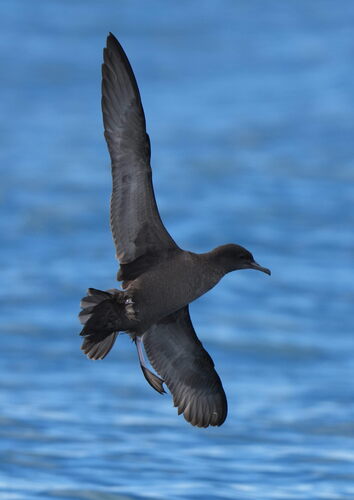 Berta grigia
 Christmas Shearwater
In breve
Il segno di campo più affidabile per separare la Berta grigia dal Christmas Shearwater è il motivo dell'ala inferiore: la Berta grigia (tutte le età) mostra una striscia argentata distinta lungo il centro dell'ala inferiore, mentre le ali inferiori del Christmas Shearwater sono uniformemente marrone scuro senza alcun pannello chiaro. Anche la dimensione è un forte indizio: la Berta grigia è significativamente più grande e con ali più lunghe. In buona luce, la Berta grigia appare marrone cioccolato scuro, mentre il Christmas Shearwater è più grigio nerastro con una sfumatura rugginosa e frange chiare sottili sulle copritrici superiori delle ali. Lo stile di volo e la forma della coda offrono ulteriori indizi, ma l'ala inferiore è il miglior separatore singolo sul campo.
Consigli di identificazione
- Motivo dell'ala inferiore: In volo, cerca la larga striscia argentata lungo il centro dell'ala inferiore nella Berta grigia (tutte le età); l'ala inferiore del Christmas Shearwater è uniformemente marrone scuro. Questo è il segno più affidabile.
- Dimensione e struttura: La Berta grigia è molto più grande e con ali più lunghe rispetto al Christmas Shearwater. Se hai un senso della scala (con altri uccelli marini o per confronto diretto), questo è un forte indizio.
- Colore delle ali superiori e del corpo: La Berta grigia è marrone cioccolato scuro, a volte appare nera, con un aspetto lucido e uniforme. Il Christmas Shearwater è grigio nerastro con una sfumatura marrone rugginosa e può mostrare frange chiare sulle copritrici superiori delle ali, dando un aspetto leggermente squamoso o usurato da vicino.
- Forma della coda in volo: La coda del Christmas Shearwater di solito si affusola a un punto, con i piedi che si estendono oltre la punta della coda, mentre la coda della Berta grigia è meno appuntita e i piedi sono meno evidenti.
- Stile di volo: La Berta grigia vola con ali rigide, dritte, raramente battendo le ali, e compie lunghe e potenti planate. Il Christmas Shearwater usa spesso battiti d'ali più lenti e più rilassati e può assomigliare a un petrello in volo.
- Bianco sotto il mento: Il Christmas Shearwater può mostrare una piccola macchia di bianco sotto il mento, ma questo è sottile e non sempre visibile; la Berta grigia non ha questo segno.
- Becco e testa: Entrambe le specie hanno becchi e occhi scuri, ma il Christmas Shearwater ha un becco più snello e delicato e una testa leggermente bulbosa rispetto al profilo più robusto della Berta grigia.
- Colore dei piedi: Il Christmas Shearwater ha piedi marrone-grigi, ma questo è raramente visibile sul campo; i piedi della Berta grigia non sono distintivi in questo contesto.
- Dimensione del gruppo: La Berta grigia è spesso vista in grandi stormi in rapido movimento, specialmente durante la migrazione; il Christmas Shearwater è più solitario o in piccoli gruppi.
- Contesto geografico: Se visto nel Pacifico centrale tropicale, è più probabile che si tratti di un Christmas Shearwater; la Berta grigia è più probabile nelle acque temperate o subartiche, specialmente al di fuori della stagione di nidificazione.
- Habitat: La Berta grigia è altamente pelagica e migratoria, mentre il Christmas Shearwater è più localizzato alle isole di nidificazione nel Pacifico centrale.
- Voce: Non è un segno utile sul campo in mare per entrambe le specie.
- Segni specifici per età: Entrambe le specie hanno piumaggio giovanile e adulto simile, quindi l'età non è un grande separatore tranne che per il motivo dell'ala inferiore, che è coerente in tutte le età.
- Condizioni di illuminazione: In scarsa luce, entrambe le specie possono apparire completamente scure, ma la striscia argentata dell'ala inferiore della Berta grigia può ancora brillare in forte luce laterale.
- Confusione potenziale: Entrambe le specie possono essere confuse con altre berta completamente scure nelle loro rispettive aree, ma il motivo dell'ala inferiore è il miglior separatore tra queste due.
Taglia
La Berta grigia è un uccello molto più grande, misurando 40–51 cm di lunghezza con un'apertura alare di 94–110 cm [wikipedia]. Il Christmas Shearwater è notevolmente più piccolo e più snello, con una lunghezza di circa 36 cm e un'apertura alare di 75 cm [wikipedia]. Questa differenza di dimensione è spesso evidente se entrambe le specie vengono viste insieme o con uccelli marini familiari per scala. La Berta grigia è anche più pesante e più robusta, mentre il Christmas Shearwater è più leggero e più delicato nella struttura.
Piumaggio
La principale differenza nel piumaggio è l'ala inferiore: la Berta grigia (tutte le età) mostra una larga striscia argentata che corre lungo il centro dell'ala inferiore, visibile in buona luce e specialmente in volo. L'ala inferiore del Christmas Shearwater è uniformemente marrone scuro, priva di qualsiasi pannello o striscia chiara. Nelle parti superiori, la Berta grigia è complessivamente marrone cioccolato scuro, a volte appare quasi nera in scarsa luce, mentre il Christmas Shearwater è grigio nerastro con una sfumatura marrone rugginosa e frange chiare sottili sulle copritrici superiori delle ali. Il Christmas Shearwater può mostrare una piccola area di bianco sotto il mento, ma questo non è sempre visibile. Entrambe le specie sono complessivamente scure, ma la Berta grigia è più lucida e uniforme, mentre il Christmas Shearwater può apparire leggermente più chiaro sotto e più usurato o rugginoso, specialmente da vicino. I piumaggi giovanili e adulti sono simili in entrambe le specie, senza segni specifici per età forti tranne il motivo dell'ala inferiore, che è coerente in tutte le età.
Comportamento
La Berta grigia vola tipicamente con ali rigide e dritte, raramente battendo le ali e spesso planando basso sull'acqua in modo potente e diretto, ricordando un piccolo albatros. Il suo volo è veloce e deciso, con archi profondi e affilati. Il Christmas Shearwater, pur essendo capace del classico volo 'affilato', usa più spesso un battito d'ali più lento e più rilassato, a volte assomigliando a un petrello. In volo, la coda del Christmas Shearwater appare di solito appuntita, con i piedi che si estendono oltre la punta della coda, mentre la coda della Berta grigia è meno prominente. La Berta grigia è più probabile che venga vista in grandi stormi in rapido movimento, mentre il Christmas Shearwater viene solitamente incontrato singolarmente o in piccoli gruppi.
Habitat
La Berta grigia è un migratore a lungo raggio, nidificando nell'emisfero australe e diffondendosi ampiamente attraverso gli oceani Pacifico e Atlantico, spesso vista lontano dalla costa in acque temperate e subartiche. Il Christmas Shearwater è ristretto al Pacifico centrale tropicale, nidificando su isole remote e raramente allontanandosi molto da queste aree. Pertanto, la posizione e la stagione possono essere utili: la Berta grigia è improbabile nelle acque strettamente tropicali, mentre il Christmas Shearwater è raramente visto al di fuori dei tropici del Pacifico centrale.
Voce
La Berta grigia è vocale di notte nei luoghi di nidificazione, producendo forti coo e croak, ma di solito è silenziosa in mare tranne quando si nutre in grandi gruppi. Le vocalizzazioni del Christmas Shearwater non sono descritte in dettaglio, ma in mare è generalmente silenzioso. Pertanto, la voce non è un separatore affidabile nella maggior parte delle situazioni sul campo.
Berta grigia · Christmas Shearwater · I miei uccelli difficili