

Solitary Sandpiper vs Piro piro boschereccio
Tringa solitaria contro Tringa glareola
Fai un quiz con Solitary Sandpiper e Piro piro boschereccio
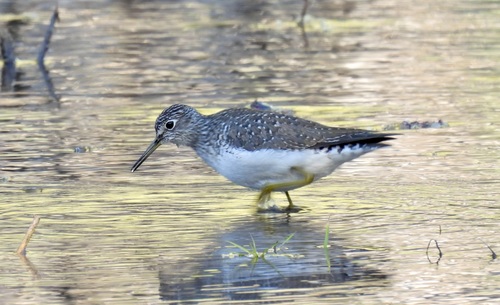 Solitary Sandpiper
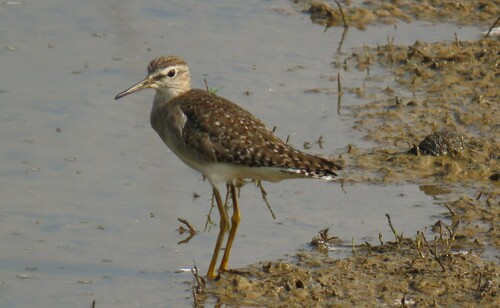 Piro piro boschereccio
In breve
Il modo più affidabile per separare il Solitary Sandpiper dal Piro piro boschereccio è il loro modello di groppone e coda in volo: il Solitary Sandpiper mostra un groppone scuro e un centro della coda scuro, mentre il Piro piro boschereccio ha una macchia di groppone pallida e meno contrastante (anche se non così brillante come il Piro piro culbianco). A terra, il Solitary appare più tozzo e scuro sopra, con un ventre bianco pulito e più contrastante, mentre il Piro piro boschereccio è più slanciato, più chiaro e più finemente marcato. Il colore del becco e delle gambe, così come la struttura generale, aiutano nelle osservazioni ravvicinate, ma le visualizzazioni in volo del groppone sono spesso decisive. Entrambi possono apparire simili a un primo sguardo, specialmente i giovani, ma un'attenta attenzione a questi segni di solito conferma l'identificazione.
Consigli di identificazione
- Rump and tail pattern in flight: Il Solitary Sandpiper mostra sempre un groppone scuro e un centro della coda scuro; il Piro piro boschereccio mostra una macchia di groppone pallida, anche se non così brillante come il Piro piro culbianco. Questo è il segno di campo più affidabile per tutte le età e stagioni.
- Structure: Il Solitary Sandpiper è compatto e tozzo, con un becco più corto e spesso e gambe relativamente corte. Il Piro piro boschereccio è più elegante, con gambe più lunghe e giallastre e un becco più fine e corto—soprattutto evidente quando entrambi sono visti insieme.
- Upperparts color: Il Solitary è di un verde scuro sopra, dando un aspetto più cupo e ombroso. Il Piro piro boschereccio è di un marrone più chiaro sopra, con un aspetto più sbiadito e lavato.
- Underparts: Il Solitary ha parti inferiori bianche pulite e brillanti con un petto grigiastro; le parti inferiori del Piro piro boschereccio sono anch'esse bianche, ma il petto e il collo sono più diffusamente e finemente macchiati, mancando del forte contrasto del Solitary.
- Wing spotting: Entrambe le specie hanno ali marroni con macchie pallide, ma le macchie del Solitary sono più distinte e il contrasto generale è più alto.
- Leg color: Le gambe del Piro piro boschereccio sono più lunghe e giallastre; quelle del Solitary sono più opache e corte, ma questo può essere sottile in condizioni di scarsa illuminazione o fango.
- Bill: Il becco del Piro piro boschereccio è più fine e corto; quello del Solitary è più spesso e leggermente più lungo rispetto alla dimensione della testa.
- Flight jizz: Il Piro piro boschereccio appare più galleggiante e grazioso in volo, con ali più lunghe e gambe che si allungano dietro; il Solitary è più compatto e diretto.
- Vocalization: Ascolta il fischio a tre note del Solitary in volo; il richiamo del Piro piro boschereccio non è descritto qui, quindi questo può aiutare se udito.
- Habitat context: Se l'uccello è solo in un luogo d'acqua dolce boschivo o isolato, è più probabile che sia un Solitary; se in umidi terreni aperti, specialmente in Eurasia, è più probabile che sia un Piro piro boschereccio.
- Group size: Il Solitary Sandpiper è di solito solo o in gruppi molto piccoli; il Piro piro boschereccio è più spesso in stormi sciolti, specialmente durante la migrazione.
- Season and range: Conosci la tua posizione—il Solitary è un riproduttore neartico, il Piro piro boschereccio è eurasiatico. Gli erranti si verificano, ma il contesto aiuta.
- Pitfalls: I giovani Piro piro boscherecci possono apparire più scuri e più marcati sopra, ma la macchia di groppone in volo li separa ancora dal Solitary. Fai attenzione a confondere il Piro piro boschereccio con il Piro piro culbianco, che ha un groppone bianco molto più brillante.
- Perched vs. flight: Prova sempre a vedere l'uccello in volo per il modello del groppone se hai dei dubbi; gli uccelli in posizione possono essere ingannevoli, specialmente i giovani.
- When in doubt: Concentrati sul modello del groppone/coda in volo, sulla struttura generale e sul contesto dell'habitat per la separazione più affidabile.
Taglia
Il Piro piro boschereccio è notevolmente più pesante (massa media 67.5g contro 48.6g per il Solitary Sandpiper [wikidata]), e appare con gambe più lunghe e una struttura più delicata. Il Solitary Sandpiper è più compatto e tozzo, con un aspetto più corto e tozzo. Sul campo, le gambe giallastre più lunghe del Piro piro boschereccio e il becco più fine contribuiscono alla sua impressione più elegante e simile a un gambero, mentre il Solitary è complessivamente più massiccio.
Piumaggio
In tutte le età, il Solitary Sandpiper in volo mostra un groppone scuro e un centro della coda scuro, privo di qualsiasi macchia di groppone pallida o bianca—questo è il segno diagnostico più importante, soprattutto se confrontato con il Piro piro boschereccio, che mostra una macchia di groppone pallida (ma non bianca brillante) che contrasta con il resto delle parti superiori. A terra, il Solitary ha un dorso verde scuro, una testa e un petto grigiasti, e parti inferiori bianche nette, con ali marroni punteggiate di piccole macchie pallide. Il Piro piro boschereccio è di un marrone più chiaro sopra, con macchie più diffuse e più piccole sul petto e sul collo, e un aspetto complessivamente meno contrastante e più sobrio. Entrambe le specie hanno alcune macchie sopra, ma quelle del Solitary sono più distinte e le sue parti inferiori sono bianche più pulite. I giovani e gli immaturi Piro piro boscherecci possono mostrare un'ala superiore leggermente più marcata, ma la macchia di groppone rimane una differenza chiave in tutte le età. Non c'è menzione di pannelli superiori specifici per età o segni di volo contrastanti oltre al modello groppone/coda per queste due specie.
Comportamento
Entrambe le specie si nutrono in acque poco profonde o nel fango, cercando invertebrati. Il Piro piro boschereccio tende ad essere più attivo ed è spesso visto in habitat umidi più aperti, muovendosi con un passo più leggero e grazioso. Il Solitary Sandpiper, fedele al suo nome, è spesso trovato solo o in gruppi molto piccoli, e può apparire più deliberato e meno irrequieto rispetto al Piro piro boschereccio. Entrambe le specie muovono le loro code, ma la struttura più tozza del Solitary e le sue abitudini solitarie possono essere indizi.
Habitat
Il Solitary Sandpiper è una specie neartica, mentre il Piro piro boschereccio è eurasiatico. Nelle loro rispettive aree, entrambe favoriscono le zone umide d'acqua dolce, i margini fangosi e le pozzette poco profonde piuttosto che gli habitat costieri. Il Piro piro boschereccio è il più piccolo degli shank eurasiatici e preferisce terreni aperti e paludosi, mentre il Solitary Sandpiper è più probabile che venga trovato solo lungo corsi d'acqua boschivi o stagni. È possibile una sovrapposizione degli habitat durante la migrazione, ma il Piro piro boschereccio è più probabile in zone umide aperte e erbose, mentre il Solitary preferisce margini d'acqua più isolati e boschivi.
Voce
Il Solitary Sandpiper emette un fischio distintivo a tre note in volo. Non è descritto alcun richiamo specifico in volo per il Piro piro boschereccio nelle note fornite, quindi questo richiamo può aiutare a confermare il Solitary nel contesto giusto, ma non è sempre diagnostico senza un confronto diretto.
Solitary Sandpiper · Piro piro boschereccio · I miei uccelli difficili