

Motmot

コシグロクサシギ 対 タカブシギ

Tringa solitaria 対 Tringa glareola

コシグロクサシギとタカブシギのクイズ
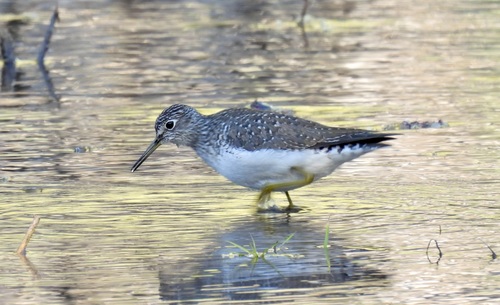
コシグロクサシギ (Tringa solitaria) コシグロクサシギ
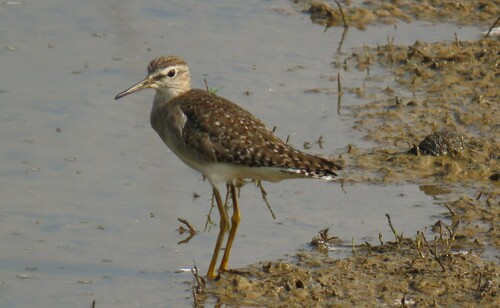
タカブシギ (Tringa glareola) タカブシギ

メディア

読み込み中…

要点

コシグロクサシギとタカブシギを区別する最も信頼できる方法は、飛行中の尾羽と尾のパターンです:コシグロクサシギは暗い尾羽と尾の中心を示し、タカブシギはコントラストが少なく、淡い尾羽の斑点を持っています(ただし、クサシギほど明るくはありません)。地上では、コシグロクサシギはずんぐりしていて上面が暗く、コントラストのあるきれいな白い腹部を持っていますが、タカブシギは脚が長く、色が淡く、より細かい模様があります。くちばしと脚の色、全体的な構造は近くでの観察に役立ちますが、尾羽の飛行中の視点はしばしば決定的です。両者は一見似ていることがありますが、特に幼鳥では、これらのマークに注意を払うことで通常は識別が可能です。

識別のコツ

  1. Rump and tail pattern in flight: コシグロクサシギは常に暗い尾羽と尾の中心を示します;タカブシギは淡い尾羽の斑点を示しますが、クサシギほど明るくはありません。これはすべての年齢と季節において最も信頼できるフィールドマークです。
  2. Structure: コシグロクサシギはコンパクトでずんぐりしており、短くて太いくちばしと比較的短い脚を持っています。タカブシギはより優雅で、長い黄褐色の脚とより細く短いくちばしを持っており、両者が一緒に見られると特に明らかです。
  3. Upperparts color: コシグロクサシギは上面が暗い緑がかっており、より陰鬱で影のある外観を与えます。タカブシギは上面が淡い茶色で、より明るく、洗練された外観を持っています。
  4. Underparts: コシグロクサシギはきれいで明るい白い腹部を持ち、灰色がかった胸部があります;タカブシギの腹部も白いですが、胸部と首はより拡散的で細かい斑点があり、コシグロクサシギの鋭いコントラストが欠けています。
  5. Wing spotting: 両種は淡い斑点のある茶色の翼を持っていますが、コシグロクサシギの斑点はより明確で、全体的なコントラストが高いです。
  6. Leg color: タカブシギの脚は長く黄褐色で、コシグロクサシギの脚は鈍く短いですが、これは悪い光や泥の中では微妙な違いです。
  7. Bill: タカブシギのくちばしはより細く短い;コシグロクサシギのくちばしは太く、頭の大きさに対してやや長いです。
  8. Flight jizz: タカブシギは飛行中により浮遊感があり優雅に見え、長い翼と脚が後ろに引きずられます;コシグロクサシギはよりコンパクトで直接的です。
  9. Vocalization: コシグロクサシギの飛行中の三音の笛の音を聞いてください;タカブシギの鳴き声はここでは説明されていないので、聞こえた場合はコシグロクサシギの識別に役立ちます。
  10. Habitat context: 鳥が木々の中や隠れた淡水の場所に一羽だけいる場合、コシグロクサシギの可能性が高いです;開けた湿地帯、特にユーラシアにいる場合は、タカブシギの可能性が高いです。
  11. Group size: コシグロクサシギは通常一羽または非常に小さな群れで見られます;タカブシギは特に移動中に緩い群れで見られることが多いです。
  12. Season and range: あなたの場所を知ってください—コシグロクサシギは北アメリカで繁殖し、タカブシギはユーラシアです。迷子の個体も発生しますが、文脈が役立ちます。
  13. Pitfalls: 幼鳥のタカブシギは上面が暗く、より模様が目立つことがありますが、飛行中の尾羽の斑点は依然としてコシグロクサシギと区別します。タカブシギとクサシギを混同しないように注意してください。クサシギははるかに明るい白い尾羽を持っています。
  14. Perched vs. flight: 疑わしい場合は、尾羽のパターンを確認するために飛行中の鳥を見ようとしてください;止まっている鳥は特に幼鳥の場合、難しいことがあります。
  15. When in doubt: 最も信頼できる区別のために、飛行中の尾羽/尾のパターン、全体的な構造、そして生息地の文脈に焦点を当ててください。

大きさ

タカブシギは明らかに重く(平均体重67.5g対コシグロクサシギの48.6g [wikidata])、脚が長く、構造がより繊細に見えます。コシグロクサシギはよりコンパクトでずんぐりしており、短くて太い外観を持っています。フィールドでは、タカブシギの長い黄褐色の脚と細いくちばしが、より優雅で脚のような印象を与え、コシグロクサシギは全体的によりずんぐりしています。

羽色

すべての年齢において、飛行中のコシグロクサシギは暗い尾羽と尾の中心を示し、淡いまたは白い尾羽の斑点がありません—これは最も診断的なマークであり、特にタカブシギと比較した場合に顕著です。地上では、コシグロクサシギは暗い緑がかった背中、灰色がかった頭と胸、そして鋭く白い腹部を持ち、小さな淡い斑点のある茶色の翼を持っています。タカブシギは上面が淡い茶色で、胸部と首により拡散的で小さな斑点があり、全体的にコントラストが少なく、より控えめな外観を持っています。両種は上面にいくつかの斑点がありますが、コシグロクサシギの斑点はより明確で、腹部はよりきれいな白です。幼鳥や未熟なタカブシギは、やや目立つ上面の羽を示すことがありますが、尾羽の斑点はすべての年齢での重要な違いです。これらの2種に関しては、年齢特有の上面のパネルやコントラストのある飛行マークについての言及はありません。

行動

両種は浅い水や泥の中で餌を探し、無脊椎動物を探ります。タカブシギはより活発で、より開けた湿地の生息地でよく見られ、軽やかで優雅な動きで移動します。コシグロクサシギはその名の通り、しばしば一羽または非常に小さな群れで見られ、タカブシギよりもより慎重で落ち着きがないように見えることがあります。両種は尾を上下に振りますが、コシグロクサシギのずんぐりした体型と孤独な習性が手がかりになることがあります。

生息環境

コシグロクサシギは北アメリカの種であり、タカブシギはユーラシアの種です。それぞれの分布域では、両者は海岸の生息地よりも淡水の湿地、泥の縁、浅い池を好みます。タカブシギはユーラシアの中で最も小さなシギで、開けた湿地の地面を好みますが、コシグロクサシギは木々のある小川や池の周りで一羽で見られることが多いです。移動中に生息地の重複が可能ですが、タカブシギは開けた草地の湿地で見られる可能性が高く、コシグロクサシギはより隠れた森林の水辺を好みます。

声

コシグロクサシギは飛行中に特徴的な三音の笛の音を出します。提供されたメモにはタカブシギの特定の飛行音は記載されていないため、この鳴き声は適切な文脈でコシグロクサシギの識別に役立つかもしれませんが、直接比較なしでは常に診断的ではありません。

より良い説明を送る

比較と同じ項目を使ってください。文章はすぐに公開されます。

The most reliable way to separate Solitary Sandpiper from Wood Sandpiper is by their rump and tail pattern in flight: Solitary Sandpiper shows a dark rump and tail center, while Wood Sandpiper has a less contrasting, pale rump patch (though not as bright as Green Sandpiper). On the ground, Solitary looks dumpier and darker above, with a more contrasting, clean white belly, while Wood Sandpiper is leggier, paler, and more finely marked. Bill and leg color, as well as overall structure, help in close views, but flight views of the rump are often decisive. Both can appear similar at a glance, especially juveniles, but careful attention to these marks will usually clinch the ID.

  1. Rump and tail pattern in flight: Solitary Sandpiper always shows a dark rump and tail center; Wood Sandpiper shows a pale rump patch, though not as bright as Green Sandpiper. This is the most reliable field mark for all ages and seasons.
  2. Structure: Solitary Sandpiper is compact and dumpy, with a shorter, thicker bill and relatively short legs. Wood Sandpiper is more elegant, with longer, yellowish legs and a finer, shorter bill—especially obvious when both are seen together.
  3. Upperparts color: Solitary is dark greenish above, giving a more somber, shadowy look. Wood Sandpiper is paler brown above, with a lighter, more washed-out appearance.
  4. Underparts: Solitary has clean, bright white underparts with a greyish breast; Wood Sandpiper's underparts are also white but the breast and neck are more diffusely and finely spotted, lacking the sharp contrast of Solitary.
  5. Wing spotting: Both species have brown wings with pale spots, but Solitary's spots are more distinct and the overall contrast is higher.
  6. Leg color: Wood Sandpiper's legs are longer and yellowish; Solitary's are duller and shorter, but this can be subtle in poor light or mud.
  7. Bill: Wood Sandpiper's bill is finer and shorter; Solitary's is thicker and slightly longer relative to head size.
  8. Flight jizz: Wood Sandpiper appears more buoyant and graceful in flight, with longer wings and legs trailing behind; Solitary is more compact and direct.
  9. Vocalization: Listen for Solitary's three-note whistle in flight; Wood Sandpiper's call is not described here, so this can help if heard.
  10. Habitat context: If the bird is alone in a wooded or secluded freshwater spot, Solitary is more likely; if in open, marshy wetlands, especially in Eurasia, Wood Sandpiper is more probable.
  11. Group size: Solitary Sandpiper is usually alone or in very small groups; Wood Sandpiper is more often in loose flocks, especially on migration.
  12. Season and range: Know your location—Solitary is a Nearctic breeder, Wood Sandpiper is Eurasian. Vagrants do occur, but context helps.
  13. Pitfalls: Juvenile Wood Sandpipers may appear darker and more marked above, but the rump patch in flight still separates them from Solitary. Beware of confusing Wood Sandpiper with Green Sandpiper, which has a much brighter white rump.
  14. Perched vs. flight: Always try to see the bird in flight for rump pattern if in doubt; perched birds can be tricky, especially juveniles.
  15. When in doubt: Focus on rump/tail pattern in flight, overall structure, and habitat context for the most reliable separation.

Wood Sandpiper is noticeably heavier (mean mass 67.5g vs. 48.6g for Solitary Sandpiper [wikidata]), and appears longer-legged and more delicate in structure. Solitary Sandpiper is more compact and dumpy, with a shorter, stubbier look. In the field, Wood Sandpiper's longer yellowish legs and finer bill add to its more elegant, shank-like impression, while Solitary is chunkier overall.

In all ages, Solitary Sandpiper in flight shows a dark rump and tail center, lacking any pale or white rump patch—this is the single most diagnostic mark, especially when compared to Wood Sandpiper, which shows a pale (but not brilliant white) rump patch that contrasts with the rest of the upperparts. On the ground, Solitary has a dark greenish back, greyish head and breast, and sharply white underparts, with brown wings dotted with small pale spots. Wood Sandpiper is paler brown above, with more diffuse, smaller spots on the breast and neck, and a less contrasting, more subdued appearance overall. Both species have some spotting above, but Solitary's is more distinct and its underparts are cleaner white. Juvenile and immature Wood Sandpipers may show a slightly more marked upperwing, but the rump patch remains a key difference at all ages. There is no mention of age-specific upperwing panels or contrasting flight marks beyond the rump/tail pattern for these two species.

Both species forage in shallow water or mud, probing for invertebrates. Wood Sandpiper tends to be more active and is often seen in more open, wetland habitats, moving with a lighter, more graceful gait. Solitary Sandpiper, true to its name, is often found alone or in very small groups, and may appear more deliberate and less restless than Wood Sandpiper. Both species bob their tails, but Solitary's dumpier build and solitary habits can be clues.

Solitary Sandpiper is a Nearctic species, while Wood Sandpiper is Eurasian. In their respective ranges, both favor freshwater wetlands, muddy margins, and shallow pools rather than coastal habitats. Wood Sandpiper is the smallest of the Eurasian shanks and prefers open, marshy ground, while Solitary Sandpiper is more likely to be found alone along wooded streams or ponds. Habitat overlap is possible on migration, but Wood Sandpiper is more likely in open, grassy wetlands, while Solitary prefers more secluded, forested water edges.

Solitary Sandpiper gives a distinctive three-note whistle in flight. No specific flight call is described for Wood Sandpiper in the provided notes, so this call may help clinch Solitary in the right context, but is not always diagnostic without direct comparison.

変更を破棄しますか?

保存していない編集があります。今離れると失われます。

コシグロクサシギ · タカブシギ · 苦手な鳥