

Shore Plover vs Pied Cormorant
Thinornis novaeseelandiae contro Phalacrocorax varius
Fai un quiz con Shore Plover e Pied Cormorant
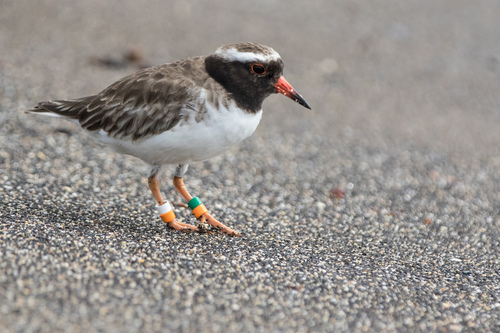 Shore Plover
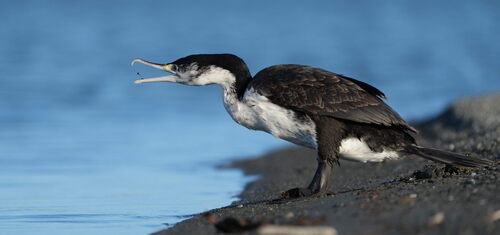 Pied Cormorant
In breve
Il segno distintivo più affidabile tra Shore Plover e Pied Cormorant è la struttura e la dimensione complessive: Pied Cormorant è un uccello acquatico massiccio, dal collo lungo e dal becco lungo, mentre Shore Plover è un uccello costiero minuscolo e compatto con un becco corto e zampe di un brillante arancione-rosso. In volo o a riposo, il piumaggio bianco e nero del cormorano e il suo grande becco ricurvo sono inconfondibili rispetto alla parte superiore marrone del plover, alla parte inferiore bianca e al suo distintivo schema della testa. I giovani Shore Plovers mostrano una schiena marrone fortemente squamosa, mentre i giovani Pied Cormorants somigliano agli adulti nel pattern ma possono essere più opachi. Anche a distanza, l'abitudine del cormorano di posarsi in posizione eretta e di aprire le ali non è mai eguagliata dal plover. La confusione è più probabile con uccelli lontani o visti male, ma dimensione, forma e habitat sono quasi sempre decisivi.
Consigli di identificazione
- La dimensione è decisiva: Pied Cormorant è oltre 30 volte più pesante e tre volte più lungo di Shore Plover. Se l'uccello è più grande di un merlo, non può essere un Shore Plover.
- Struttura e jizz: Il cormorano ha un collo lungo, un corpo lungo e si siede in posizione eretta; il plover è compatto, con collo corto e si accovaccia in basso.
- Forma e colore del becco: Il cormorano ha un grande becco ricurvo e chiaro; il plover ha un becco corto, dritto, arancione-rosso con una punta scura (più brillante nei maschi).
- Zampe e piedi: Le zampe e i piedi del cormorano sono neri e palmati per nuotare; le zampe del plover sono di un brillante arancione-rosso e non palmati, adattati per correre.
- Schema del piumaggio (adulto): Il cormorano è nettamente nero sopra e bianco sotto, con un viso e un collo bianchi e una macchia gialla alla base del becco. I plovers sono marroni sopra, bianchi sotto, con una banda bianca sotto un berretto marrone e una maschera facciale scura (maschio) o marrone (femmina).
- Piumaggio giovanile: I giovani Shore Plovers hanno una schiena marrone fortemente squamosa e mancano della maschera facciale completa; i cormorani giovanili assomigliano agli adulti ma possono essere più opachi in contrasto.
- Schema delle ali in volo: Il cormorano mostra le ali superiori nere senza barra bianca; il plover mostra una stretta barra bianca lungo tutta la lunghezza dell'ala marrone.
- Schema della coda: I plovers hanno una coda marrone con lati bianchi; i cormorani hanno una coda nera senza bianco.
- Comportamento: Il cormorano spesso si posa in posizione eretta e apre le ali per asciugarsi; il plover non lo fa mai, ma corre rapidamente lungo il terreno.
- Habitat: I plovers si trovano solo su isole offshore prive di predatori, abbracciando la costa; i cormorani sono diffusi lungo le coste, gli estuari e le grandi acque interne.
- Stile di volo: Il cormorano vola con il collo disteso in un volo forte e diretto; il plover vola basso e veloce con battiti d'ali rapidi e brevi planate.
- Contesto: Se visto nuotare o tuffarsi, è un cormorano; i plovers non nuotano.
- Colore del becco e delle zampe a distanza: Le zampe e il becco arancione-rosso del plover possono essere un indizio in buona luce; quelli del cormorano sono sempre scuri.
- Schema della testa: La banda bianca sulla testa del plover e la maschera scura sono uniche; il cormorano ha un viso bianco semplice con una macchia gialla alla base del becco.
- Abbondanza: Shore Plover è uno degli uccelli costieri più rari al mondo, quindi qualsiasi uccello visto al di fuori di un sito noto non è quasi certamente questa specie.
Taglia
Pied Cormorant è di gran lunga più grande di Shore Plover: i cormorani adulti pesano circa 1955 g e misurano 65–85 cm di altezza con un'apertura alare di 110–130 cm [wikidata][wikipedia], mentre i Shore Plovers sono minuscoli, pesando solo 61 g e circa 20 cm di lunghezza [wikidata][wikipedia]. Il cormorano è oltre 30 volte più pesante e più di tre volte più lungo. Sul campo, questo si traduce in un cormorano delle dimensioni di un'oca, che svetta sopra il plover delle dimensioni di un passero. Anche a distanza, il lungo collo e la costruzione pesante del cormorano sono evidenti, mentre il plover è compatto e basso rispetto al terreno.
Piumaggio
I giovani Shore Plovers hanno una schiena marrone con ampie frange chiare, creando un forte effetto squamoso, e mancano della maschera facciale scura completa degli adulti. Gli adulti mostrano un lato superiore marrone, una parte inferiore bianca, una banda bianca sotto un berretto marrone e una maschera nera (maschio) o marrone (femmina). Le ali hanno una stretta barra bianca e la coda è marrone con lati bianchi. Pied Cormorant di tutte le età è nettamente nero sopra e bianco sotto, con un viso e un collo bianchi, un berretto nero e una piccola macchia gialla tra il becco e l'occhio. Le ali del cormorano sono nere sopra, senza alcuna barra bianca. Il becco del cormorano è grande e ricurvo, mentre quello del plover è corto e arancione-rosso con una punta scura. Le zampe e i piedi del cormorano sono neri e palmati; quelli del plover sono di un brillante arancione-rosso e non palmati. In volo, il cormorano mostra un forte contrasto bianco e nero, mentre il plover appare marrone sopra con una stretta barra bianca.
Comportamento
Pied Cormorant è spesso visto posato in posizione eretta su rocce, pali o alberi, frequentemente aprendo le ali per asciugarsi dopo un tuffo. Nuota in modo basso nell'acqua, si tuffa per pesci e può formare gruppi sciolti. Shore Plover è un uccello costiero terrestre, che corre rapidamente a terra, nutrendosi di invertebrati lungo coste rocciose o sabbiose, e raramente, se mai, nuota. Nida sotto copertura o in tane, a differenza del cormorano, che nidifica sugli alberi o su sporgenze aperte. Il volo del cormorano è forte, diretto e spesso alto, con il collo disteso; il volo del plover è basso, rapido e tremolante, con brevi planate.
Habitat
Shore Plovers sono ora ristretti a poche isole offshore prive di predatori in Nuova Zelanda, sempre vicine a coste rocciose o sabbiose, e mai lontane da ripari. Sono estremamente rari e locali. Pied Cormorant è diffuso e comune lungo le coste, gli estuari e le grandi acque interne in tutta la Nuova Zelanda e l'Australia, spesso visto su acque aperte, posato su rocce o volando su grandi distanze. Le due specie raramente si sovrappongono strettamente nell'habitat: i plovers si attaccano a coste aperte, i cormorani a corpi idrici e posatoi prominenti.