

Russet-naped Wood-Rail vs Gray-cowled Wood-Rail
Aramides albiventris contro Aramides cajaneus
Fai un quiz con Russet-naped Wood-Rail e Gray-cowled Wood-Rail
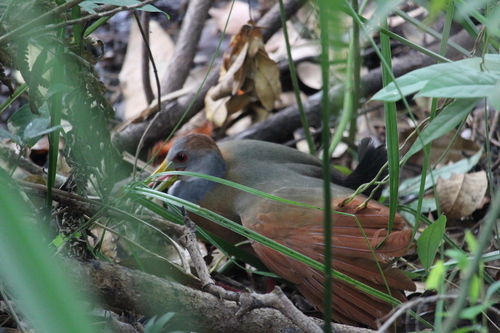 Russet-naped Wood-Rail
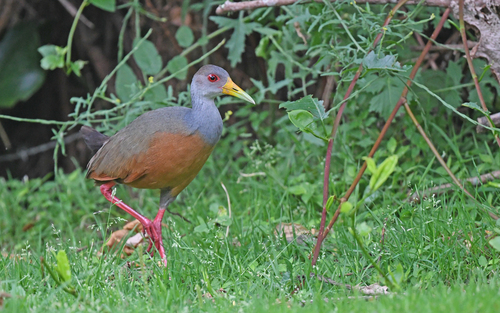 Gray-cowled Wood-Rail
In breve
Il segno di campo più affidabile tra il Russet-naped e il Gray-cowled Wood-Rail è il colore e l'estensione della macchia sulla nuca: il Russet-naped mostra una macchia castagna (russet) distinta sulla parte posteriore della testa e sulla nuca, mentre il Grey-cowled ha una macchia marrone che è spesso più opaca o addirittura assente in alcune sottospecie. Entrambe le specie sono simili in dimensioni e struttura, ma sottili differenze nel colore del becco e nel tono preciso delle parti superiori e inferiori possono aiutare. I giovani sono difficili da identificare, ma il colore delle gambe e del becco, così come il motivo del ventre, offrono indizi. Controlla sempre prima il motivo della nuca e della testa, specialmente negli uccelli posati.
Consigli di identificazione
- Nape Patch (Adults): Il Russet-naped mostra sempre una macchia castagna (russet) distinta sulla nuca e sul collo posteriore, nettamente separata dalla corona e dal collo grigio ardesia. Il Grey-cowled ha una macchia marrone sulla nuca, spesso più opaca, e in alcune sottospecie (A. c. avicenniae) questa macchia è ridotta o assente. Controlla sempre la nuca in buona luce.
- Head and Neck Color: Il Russet-naped ha una corona, una fronte e un collo posteriore grigio ardesia, in contrasto con la nuca castagna. La testa e il collo del Grey-cowled sono grigio medio, fondendosi più dolcemente nella macchia marrone sulla nuca (se presente).
- Chin and Throat: Il Russet-naped mostra un mento e una parte superiore della gola bianchi, in contrasto con il collo grigio e il petto fulvo. Il Grey-cowled non ha questo mento bianco; la sua gola è grigia, fondendosi nel petto rufous.
- Bill Color: Il Russet-naped ha un becco spesso, giallo scuro con una punta verde chiara. Il becco del Grey-cowled è di un giallo-verde più brillante nel complesso. Questo è sottile e meglio utilizzato in viste ravvicinate.
- Leg and Eye Color (Adults): Entrambi hanno occhi rossi e gambe rosse o corallo-rosse, ma quelle del Grey-cowled sono spesso più brillanti. I giovani Grey-cowled hanno gambe scure e occhi marroni, mentre gli adulti Russet-naped hanno gambe da rosa a rosse e occhi rossi profondi.
- Upperparts: La schiena del Russet-naped è grigio oliva, mentre quella del Grey-cowled è verde oliva scuro. Questo è sottile e variabile, ma può aiutare in buona luce.
- Breast and Flank Color: Il petto e i fianchi del Russet-naped sono di un cinamomo fulvo pallido, separati dal ventre nero inferiore da una banda pallida. Il petto e i fianchi del Grey-cowled sono rufous, ma la transizione verso il ventre nero è meno nettamente marcata.
- Belly and Undertail: Entrambi hanno un ventre inferiore, un vent e copritail neri, ma nei giovani, il Russet-naped è grigio scuro con macchie fulve, mentre il Grey-cowled è nero carbone con macchie buff.
- Juvenile Bill and Leg Color: I giovani Grey-cowled hanno becchi e gambe scuri (neri) e occhi marroni. Il becco e le gambe del giovane Russet-naped non sono descritti come scuri, e i loro occhi sono rossi profondi come negli adulti.
- Subspecies Pitfall: Se incontri un Grey-cowled della sottospecie A. c. avicenniae, la macchia sulla nuca potrebbe essere molto ridotta o assente, facendolo somigliare meno al Russet-naped. In questi casi, fai affidamento più sul colore della gola e sul tono del becco.
- Flight Views: Non sono descritte differenze distintive nel disegno delle ali superiori o nel volo per nessuna delle due specie, quindi le viste posate sono più affidabili per la separazione.
- Range: Se ti trovi a nord del Costa Rica, il Russet-naped è la specie attesa. In Sud America, si trova solo il Grey-cowled. Nelle zone di sovrapposizione (America Centrale), utilizza il piumaggio e la struttura.
- Sex and Season: Entrambe le specie sono sessualmente monomorfiche e non mostrano forti cambiamenti stagionali nel piumaggio, quindi questi non sono utili per la separazione.
- Behavioral Context: Entrambe le specie si nutrono in copertura densa ma possono venire allo scoperto ai margini dell'acqua. Il comportamento non è un separatore affidabile.
- Voice: Non sono descritte differenze vocali diagnostiche nelle fonti fornite; non fare affidamento sulla voce per la separazione.
Taglia
Entrambe le specie sono simili in lunghezza (33–40 cm) e sono grandi per i wood-rails. Il Russet-naped tende ad essere più pesante (450–600 g) rispetto al Grey-cowled (320–465 g), ma questo non è discernibile sul campo. Le sottospecie di Grey-cowled (in particolare A. c. avicenniae) possono essere leggermente più piccole, ma la sovrapposizione è estesa. La dimensione non è un punto di separazione affidabile sul campo.
Piumaggio
- Juveniles: I giovani di entrambe le specie sono più opachi degli adulti, ma il Russet-naped non ha bianco sul ventre e ha parti inferiori grigio scuro con macchie fulve, mentre i giovani Grey-cowled hanno un ventre nero carbone macchiato di buff. I giovani Grey-cowled mostrano anche becchi e gambe scuri, e occhi marroni, rispetto alle gambe rosse o rosa e agli occhi rossi dell'adulto Russet-naped.
- Adults: Il Russet-naped ha una macchia castagna prominente sulla nuca, corona e collo posteriore grigio ardesia, e un mento e una parte superiore della gola bianchi. Le sue parti superiori sono grigio oliva, con un petto e fianchi di un cinamomo fulvo pallido, e un ventre inferiore e una coda nera. Gli adulti Grey-cowled hanno una testa e un collo grigio medio, una macchia sulla nuca marrone (a volte ridotta), parti superiori da verde oliva a marrone scuro, petto e fianchi rufous, e un ventre, un dorso e una coda neri. Il becco è di un giallo-verde brillante nel Grey-cowled, ma giallo scuro con una punta verde chiara nel Russet-naped. Entrambi hanno occhi rossi e gambe da corallo-rosse a rosa, ma queste sono più brillanti nel Grey-cowled.
Comportamento
Entrambe le specie sono riservate e preferiscono la vegetazione densa, ma si nutrono allo scoperto lungo i margini dell'acqua o in aree erbose. Non sono state notate differenze comportamentali consistenti nelle fonti che potrebbero aiutare a separarle sul campo.
Habitat
Il Russet-naped si trova dal Messico al Costa Rica, mentre il Grey-cowled si estende dall'America Centrale all'America del Sud, comprese foreste, mangrovie e paludi. I loro areali si sovrappongono in America Centrale, quindi l'habitat da solo non è diagnostico. Entrambi preferiscono habitat umidi e densi, ma il Grey-cowled è più probabile che si trovi in Sud America.
Russet-naped Wood-Rail · Gray-cowled Wood-Rail · I miei uccelli difficili