

Rufous-chested Swallow vs South African Swallow
Cecropis semirufa contro Petrochelidon spilodera
Fai un quiz con Rufous-chested Swallow e South African Swallow
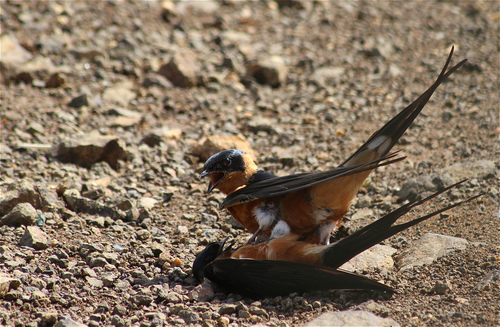 Rufous-chested Swallow
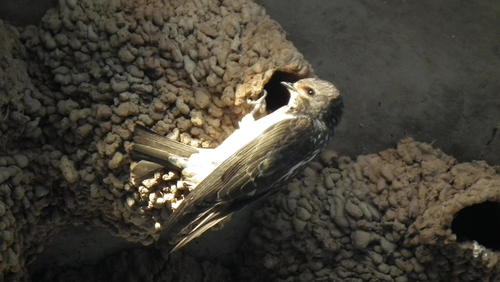 South African Swallow
In breve
Il segno distintivo più affidabile per separare il Rufous-chested Swallow dal South African Swallow è l'assenza di bianco sulla parte inferiore dell'ala in tutte le età del Rufous-chested Swallow, rispetto al South African Swallow, che mostra tipicamente copritrici bianche sulla parte inferiore dell'ala. Il Rufous-chested Swallow ha anche una corona blu che si estende sotto l'occhio e un dorso e parti inferiori rufous, mentre il South African Swallow è generalmente più chiaro sotto e manca delle tonalità rufous profonde. I giovani Rufous-chested Swallow mostrano blu sul lato della testa (non rosso opaco), il che è un punto chiave se sospetti un giovane uccello. Entrambe le specie sono simili in dimensioni e struttura, ma la lunghezza delle penne della coda e il colore della parte inferiore dell'ala sono gli indizi più rapidi sul campo. È possibile sovrapporre gli habitat sotto i ponti e le strutture umane, ma il Rufous-chested Swallow è più solitario e preferisce il paese aperto, mentre il South African Swallow è più coloniale e spesso si trova in gruppi più numerosi.
Consigli di identificazione
- Colore della parte inferiore dell'ala in volo: Il Rufous-chested Swallow manca sempre di bianco sulla parte inferiore dell'ala, mentre il South African Swallow mostra copritrici bianche sulla parte inferiore dell'ala. Questo è il modo più rapido per separarli in volo o quando l'uccello si sta stiracchiando/pulendo.
- Lunghezza delle penne della coda: Il Rufous-chested Swallow ha penne della coda più lunghe, dando un aspetto di coda più profondamente forked. La coda del South African Swallow è più corta e meno profondamente forked. Questo segno è più affidabile sugli adulti in posato, ma può essere visto in volo.
- Corona e modello della testa: La corona blu del Rufous-chested Swallow si estende sotto l'occhio, creando un aspetto di testa più scura. Il South African Swallow non mostra questa estensione; la sua corona è meno estesa e non raggiunge sotto l'occhio.
- Colore del dorso e delle parti inferiori: Il Rufous-chested Swallow ha un dorso rufous e parti inferiori rufous, mentre il South African Swallow è più chiaro sotto e manca delle tonalità rufous profonde. Questo è particolarmente ovvio in buona luce.
- Colore della testa dei giovani: Il giovane Rufous-chested Swallow mostra blu sul lato della testa (non rosso opaco), il che è un segno sottile ma importante se sospetti un giovane uccello. I giovani del South African Swallow non sono descritti in dettaglio nelle note, ma non mostrano questo blu.
- Comportamento di posato: Il Rufous-chested Swallow è più propenso a posarsi da solo o in coppie su fili o rametti, mentre il South African Swallow è spesso visto in gruppi, specialmente vicino ai siti di nidificazione.
- Abitudini di nidificazione: Il Rufous-chested Swallow costruisce nidi di fango chiusi con ingressi tubolari, spesso singolarmente o in coppie sciolte sotto i ponti o in cavità. Il South African Swallow nidifica colonialmente, con molti nidi di fango raggruppati sotto i ponti o le grondaie.
- Stile di volo: Il Rufous-chested Swallow ha un volo lento e galleggiante, che può aiutare a distinguerlo dal più erratico, veloce South African Swallow, specialmente in stormi misti di rondini.
- Contesto dell'habitat: Se trovi una rondine solitaria o in coppia in un paese aperto o su un filo lontano da grandi colonie, è più probabile che sia un Rufous-chested Swallow. Se vedi molte rondini nidificare o volare insieme sotto un ponte o un edificio, è più probabile che sia un South African Swallow.
- Presenza stagionale: Il Rufous-chested Swallow è migratorio nell'Africa meridionale (presente da luglio a marzo), mentre il South African Swallow è più residente o migratorio localmente. Il periodo dell'anno può aiutare, ma c'è sovrapposizione.
- Confusione con altre rondini: Il Rufous-chested Swallow è simile al Mosque Swallow ma è più piccolo con penne della coda più lunghe. Il South African Swallow è meno probabile che venga confuso con il Mosque Swallow a causa delle parti inferiori più chiare e della coda più corta.
- Nessuna differenza vocale nota: Le note non forniscono differenze di vocalizzazione, quindi non fare affidamento su richiami o canti per la separazione.
- Differenze di sesso: Non è descritto dimorfismo sessuale per nessuna delle due specie, quindi tutti i segni si applicano a entrambi i sessi.
- Insidie: Fai attenzione alle condizioni di illuminazione che possono oscurare il colore della parte inferiore dell'ala o la lunghezza delle penne della coda. Gli uccelli immaturi possono essere particolarmente difficili; concentrati sul colore della parte inferiore dell'ala e della testa per i migliori risultati.
- Quando hai dubbi: Dai priorità al colore della parte inferiore dell'ala in volo e alla lunghezza delle penne della coda quando sono posati. Se non riesci a vedere questi, usa l'habitat e la dimensione del gruppo come indizi secondari.
Taglia
Entrambe le specie sono simili in dimensioni e struttura complessiva, essendo rondini di dimensioni medie della regione. Il Rufous-chested Swallow è leggermente più piccolo del simile Mosque Swallow, ma non c'è un confronto diretto di dimensioni con il South African Swallow nelle note. Entrambi hanno corpi aerodinamici e ali lunghe, ma il Rufous-chested Swallow ha penne della coda più lunghe, che possono essere un segno sottile ma utile quando viste bene. Non è documentata alcuna differenza significativa in massa o lunghezza tra questi due.
Piumaggio
- Giovani/uccelli immaturi: Il giovane Rufous-chested Swallow mostra blu sul lato della testa (non rosso opaco), il che lo distingue da rondini simili ma non è direttamente confrontato con i giovani del South African Swallow. Il segno diagnostico chiave per tutte le età è la parte inferiore dell'ala: il Rufous-chested Swallow manca di qualsiasi bianco sulla parte inferiore dell'ala, mentre il South African Swallow mostra copritrici bianche sulla parte inferiore dell'ala, specialmente visibili in volo o quando si pulisce.
- Adulti: Il Rufous-chested Swallow ha una corona e un mantello blu, un dorso rufous e parti inferiori rufous, e la corona blu si estende sotto l'occhio. Il South African Swallow è più chiaro sotto, manca delle parti inferiori rufous profonde e non mostra la corona blu che si estende sotto l'occhio. Le penne della coda sono più lunghe nel Rufous-chested Swallow, dando un'impressione di coda più profondamente forked quando è posato o in volo. Entrambe le specie hanno un po' di blu sulle parti superiori, ma il contrasto con il dorso rufous è più forte nel Rufous-chested Swallow.
Comportamento
Il Rufous-chested Swallow è generalmente solitario o si trova in coppie, raramente nidifica in gruppi, ed è più propenso a posarsi su fili o rametti. Il suo volo è descritto come lento e galleggiante. Il South African Swallow è più coloniale, spesso nidificando in gruppi sotto ponti o grondaie, ed è più probabile che venga visto in stormi. Entrambe le specie si nutrono quasi esclusivamente di insetti aerei e raramente atterrano a terra. Il Rufous-chested Swallow è più migratorio, specialmente nell'Africa meridionale, mentre il South African Swallow è più residente o migratorio localmente.
Habitat
Il Rufous-chested Swallow è un uccello di paese aperto secco, anche se può entrare nella foresta pluviale tropicale durante la stagione delle piogge. Utilizza strutture artificiali per nidificare ma è meno probabile trovarlo in aree boschive, dove il Mosque Swallow lo sostituisce. Il South African Swallow è fortemente associato a strutture umane, specialmente ponti e capanne, ed è più probabile trovarlo a nidificare in grandi gruppi sotto questi. Entrambi possono essere trovati vicino all'acqua o in aree aperte, ma il Rufous-chested Swallow è più solitario e meno legato a colonie dense o grandi aggregazioni.
Rufous-chested Swallow · South African Swallow · I miei uccelli difficili