

Golondrina Pechirrufa vs Golondrina Sudafricana
Cecropis semirufa frente a Petrochelidon spilodera
Juega un quiz con Golondrina Pechirrufa y Golondrina Sudafricana
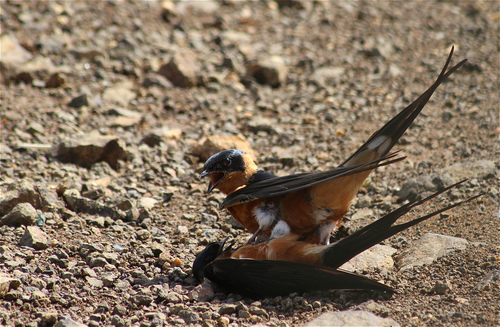 Golondrina Pechirrufa
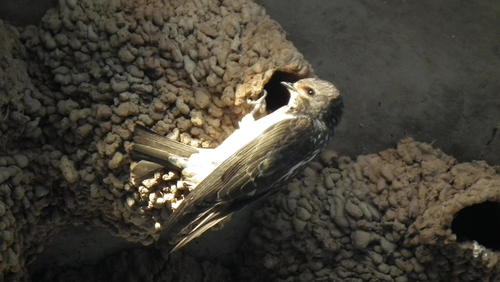 Golondrina Sudafricana
En breve
La marca de campo más confiable para separar la Golondrina Pechirrufa de la Golondrina Sudafricana es la ausencia de blanco en el ala inferior en todas las edades de la Golondrina Pechirrufa, frente a la Golondrina Sudafricana, que típicamente muestra coberturas blancas en el ala inferior. La Golondrina Pechirrufa también tiene una corona azul que se extiende por debajo del ojo y un rabadilla y partes inferiores rufo, mientras que la Golondrina Sudafricana es generalmente más pálida por debajo y carece de los tonos rufo profundos. Las Golondrinas Pechirrufas juveniles muestran azul en el lado de la cabeza (no rojo apagado), lo cual es un punto clave si sospechas de un ave joven. Ambas especies son similares en tamaño y estructura, pero la longitud de los streamers de la cola y el color del ala inferior son las pistas de campo más rápidas. La superposición de hábitat es posible bajo puentes y estructuras humanas, pero la Golondrina Pechirrufa es más solitaria y prefiere el campo abierto, mientras que la Golondrina Sudafricana es más colonial y a menudo se encuentra en grupos más grandes.
Consejos de identificación
- Color del ala inferior en vuelo: La Golondrina Pechirrufa siempre carece de blanco en el ala inferior, mientras que la Golondrina Sudafricana muestra coberturas blancas en el ala inferior. Esta es la forma más rápida de separarlas en vuelo o cuando el ave se está estirando/acicalando.
- Longitud de los streamers de la cola: La Golondrina Pechirrufa tiene streamers de cola más largos, lo que da una apariencia de cola más profundamente bifurcada. La cola de la Golondrina Sudafricana es más corta y menos profundamente bifurcada. Esta marca es más confiable en adultos posados, pero puede verse en vuelo.
- Patrón de la corona y la cabeza: La corona azul de la Golondrina Pechirrufa se extiende por debajo del ojo, creando una apariencia de cabeza más oscura. La Golondrina Sudafricana no muestra esta extensión; su corona es menos extensa y no llega por debajo del ojo.
- Color de la rabadilla y las partes inferiores: La Golondrina Pechirrufa tiene una rabadilla rufo y partes inferiores rufas, mientras que la Golondrina Sudafricana es más pálida por debajo y carece de los tonos rufo profundos. Esto es especialmente obvio en buena luz.
- Color de la cabeza juvenil: La Golondrina Pechirrufa juvenil muestra azul en el lado de la cabeza (no rojo apagado), lo cual es una marca sutil pero importante si sospechas de un ave joven. Las golondrinas juveniles Sudafricanas no se describen en detalle en las notas, pero no muestran este azul.
- Comportamiento de posado: La Golondrina Pechirrufa es más propensa a posarse sola o en parejas en alambres o ramitas, mientras que la Golondrina Sudafricana se ve a menudo en grupos, especialmente cerca de sitios de anidación.
- Hábitos de anidación: La Golondrina Pechirrufa construye nidos de barro cerrados con entradas tubulares, a menudo sola o en parejas sueltas bajo puentes o en cavidades. La Golondrina Sudafricana anida colonialmente, con muchos nidos de barro agrupados bajo puentes o aleros.
- Estilo de vuelo: La Golondrina Pechirrufa tiene un vuelo lento y flotante, lo que puede ayudar a distinguirla de la Golondrina Sudafricana, que vuela de manera más errática y rápida, especialmente en bandadas de golondrinas mixtas.
- Contexto de hábitat: Si encuentras una golondrina solitaria o en pareja en campo abierto o en un alambre alejado de grandes colonias, es más probable que sea una Golondrina Pechirrufa. Si ves muchas golondrinas anidando o volando juntas bajo un puente o edificio, es más probable que sea una Golondrina Sudafricana.
- Presencia estacional: La Golondrina Pechirrufa es migratoria en el sur de África (presente de julio a marzo), mientras que la Golondrina Sudafricana es más residente o migratoria localmente. La época del año puede ayudar, pero hay superposición.
- Confusión con otras golondrinas: La Golondrina Pechirrufa es similar a la Golondrina Mosque, pero es más pequeña con streamers de cola más largos. La Golondrina Sudafricana es menos probable que se confunda con la Golondrina Mosque debido a sus partes inferiores más pálidas y cola más corta.
- Sin diferencias vocales conocidas: Las notas no proporcionan diferencias de vocalización, así que no confíes en llamados o canciones para la separación.
- Diferencias sexuales: No se describe dimorfismo sexual para ninguna de las especies, por lo que todas las marcas se aplican a ambos sexos.
- Trampas: Ten cuidado con las condiciones de iluminación que pueden oscurecer el color del ala inferior o la longitud de los streamers de la cola. Las aves inmaduras pueden ser especialmente difíciles; concéntrate en el color del ala inferior y de la cabeza para obtener los mejores resultados.
- Cuando tengas dudas: Prioriza el color del ala inferior en vuelo y la longitud de los streamers de la cola cuando estén posadas. Si no puedes ver estos, utiliza el hábitat y el tamaño del grupo como pistas secundarias.
Tamaño
Ambas especies son similares en tamaño y estructura general, siendo golondrinas de tamaño mediano de la región. La Golondrina Pechirrufa es ligeramente más pequeña que la similar Golondrina Mosque, pero no hay comparación directa de tamaño con la Golondrina Sudafricana en las notas. Ambas tienen cuerpos aerodinámicos y alas largas, pero la Golondrina Pechirrufa tiene streamers de cola más largos, lo que puede ser una marca sutil pero útil cuando se ve bien. No se documenta una diferencia significativa en masa o longitud entre estas dos.
Plumaje
- Aves juveniles/inmaduras: La Golondrina Pechirrufa juvenil muestra azul en el lado de la cabeza (no rojo apagado), lo que la distingue de golondrinas similares, pero no se compara directamente con las golondrinas juveniles Sudafricanas. El diagnóstico clave para todas las edades es el ala inferior: la Golondrina Pechirrufa carece de cualquier blanco en el ala inferior, mientras que la Golondrina Sudafricana muestra coberturas blancas en el ala inferior, especialmente visibles en vuelo o cuando se acicala.
- Adultos: La Golondrina Pechirrufa tiene una corona y manto azules, rabadilla rufo y partes inferiores rufas, y la corona azul se extiende por debajo del ojo. La Golondrina Sudafricana es más pálida por debajo, carece de las partes inferiores rufo profundas y no muestra la corona azul extendiéndose por debajo del ojo. Los streamers de la cola son más largos en la Golondrina Pechirrufa, dando una impresión de cola más profundamente bifurcada cuando está posada o en vuelo. Ambas especies tienen algo de azul en las partes superiores, pero el contraste con la rabadilla rufo es más fuerte en la Golondrina Pechirrufa.
Comportamiento
La Golondrina Pechirrufa es generalmente solitaria o se encuentra en parejas, rara vez anida en grupos, y es más probable que se posen en alambres o ramitas. Su vuelo se describe como lento y flotante. La Golondrina Sudafricana es más colonial, a menudo anidando en grupos bajo puentes o aleros, y es más probable que se vea en bandadas. Ambas especies se alimentan casi exclusivamente de insectos aéreos y rara vez aterrizan en el suelo. La Golondrina Pechirrufa es más migratoria, especialmente en el sur de África, mientras que la Golondrina Sudafricana es más residente o migratoria localmente.
Hábitat
La Golondrina Pechirrufa es un ave de campo seco y abierto, aunque puede entrar en la selva tropical durante la temporada de lluvias. Utiliza estructuras artificiales para anidar, pero es menos probable que se encuentre en áreas boscosas, donde la Golondrina Mosque la reemplaza. La Golondrina Sudafricana está fuertemente asociada con estructuras humanas, especialmente puentes y chozas, y es más probable que se encuentre anidando en grandes grupos bajo estas. Ambas pueden encontrarse cerca de agua o áreas abiertas, pero la Golondrina Pechirrufa es más solitaria y menos vinculada a colonias densas o grandes agregaciones.
Golondrina Pechirrufa · Golondrina Sudafricana · Mis aves difíciles