

Poiana codarossa vs Poiana calzata
Buteo jamaicensis contro Buteo lagopus
Fai un quiz con Poiana codarossa e Poiana calzata
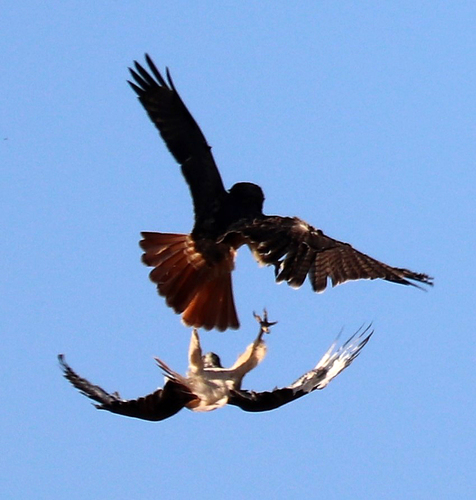 Poiana codarossa
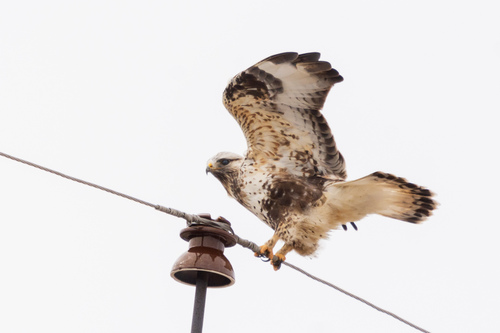 Poiana calzata
In breve
Il segno di campo più affidabile per separare la Poiana codarossa dalla Poiana calzata (Poiana calzata) in Nord America è la presenza di una macchia carpo (polso) scura e audace sulla parte inferiore dell'ala della Poiana calzata, specialmente negli uccelli di morfologia chiara di tutte le età—una caratteristica mai mostrata dalla Poiana codarossa. I giovani Poiana codarossa mostrano invece una parte inferiore dell'ala più uniforme con barre, priva della macchia nera isolata. In volo, la Poiana calzata ha ali più lunghe e una maggiore capacità di galleggiamento, mentre la Poiana codarossa è più robusta con ali più larghe e corte. In posato, le gambe piumate della Poiana calzata (fino alle dita) e le ali più lunghe che si estendono fino alla coda o oltre sono distintive, mentre la Poiana codarossa ha gambe gialle scoperte e una proiezione dell'ala più corta. Entrambi possono mostrare un ventre chiaro con una banda scura, ma il modello della coda è fondamentale: le Poiane codarossa adulte hanno una coda rosso mattone, mentre le Poiane calzate mostrano sempre una coda bianca con una o più bande scure subterminali.
Consigli di identificazione
- Macchia carpo sulla parte inferiore dell'ala (tutte le età, specialmente morfologie chiare): La Poiana calzata mostra una macchia nera quadrata e audace al polso sulla parte inferiore dell'ala, in contrasto con le copritrici bianche—mai presente nella Poiana codarossa.
- Modello della coda (tutte le età): La Poiana codarossa adulta ha una coda rossa mattone solida sopra, chiara sotto, con una singola banda scura alla punta. I giovani hanno code marroni con più barre scure. La Poiana calzata mostra sempre una coda bianca con una o più bande scure subterminali, mai rossa.
- Piumaggio delle gambe: La Poiana calzata ha gambe piumate fino alle dita ('pantaloni'), visibili quando è posata o in buone viste di volo; la Poiana codarossa ha gambe inferiori gialle scoperte.
- Forma e lunghezza dell'ala: In volo, la Poiana calzata ha ali più lunghe e una coda più lunga, con ali che spesso si estendono oltre la coda quando è posata. La Poiana codarossa è più robusta, con ali più larghe e corte e una coda più corta.
- Stile di volo: La Poiana calzata spesso si libra mentre caccia e plana con le ali in un dihedro poco profondo. La Poiana codarossa raramente si libra e vola con le ali più piatte.
- Banda sul ventre: Entrambe le specie possono mostrare una banda scura sul ventre, ma nella Poiana calzata è solitamente più alta sul petto e più nettamente definita; nella Poiana codarossa è più bassa e più ampia, ma questo è variabile e non diagnostico da solo.
- Modello della testa: La Poiana codarossa ha tipicamente una testa più scura e più uniforme; la Poiana calzata mostra spesso una corona e un nape più chiari, dando un aspetto più contrastante.
- Dimensione del becco: Non è un forte separatore tra questi due; entrambi hanno becchi tipici dei Buteo.
- Morfologie: Entrambe le specie hanno morfologie chiare e scure. Le Poiane calzate di morfologia scura sono rare e molto scure nel complesso, ma mostrano comunque la macchia carpo e la banda della coda. Le Poiane codarossa di morfologia scura mancano della macchia carpo e hanno un diverso modello della coda.
- Habitat e stagione: In Nord America, la Poiana calzata è presente solo in inverno e solo in campagna aperta; la Poiana codarossa è presente tutto l'anno e in una gamma più ampia di habitat.
- Struttura in posato: Le ali della Poiana calzata raggiungono o si estendono oltre la punta della coda quando è posata; le ali della Poiana codarossa sono più corte rispetto alla coda.
- Colore dell'iride: I giovani Poiana codarossa hanno iridi giallastre che scuriscono con l'età; questo non è un separatore affidabile sul campo.
- Voce: Non è un separatore utile; entrambe le specie sono solitamente silenziose in inverno e i loro richiami non vengono spesso uditi sul campo.
- Jizz: La Poiana codarossa appare più robusta e compatta, sia in posato che in volo; la Poiana calzata è più slanciata, più elegante e simile a un'aquila.
- Trappole comuni: I giovani Poiana codarossa con parti inferiori chiare e bande sul ventre vengono spesso scambiati per Poiane calzate; controlla sempre la macchia carpo e il modello della coda. Le morfologie scure di entrambe le specie sono impegnative; concentrati sulla struttura e sulla coda.
Taglia
Entrambe le specie sono grandi Buteo, ma la Poiana calzata è mediamente leggermente più pesante (massa media dell'adulto ~926g [wikidata]), anche se la Poiana codarossa può essere più pesante in alcuni individui. Strutturalmente, la Poiana calzata ha ali più lunghe e una coda più lunga, dando una silhouette più simile a un'aquila in volo, mentre la Poiana codarossa è più squadrata e robusta nel complesso. Quando è posata, le ali della Poiana calzata raggiungono o si estendono oltre la punta della coda, mentre le ali della Poiana codarossa sono più corte rispetto alla coda. La dimensione del becco non è un forte separatore tra questi due.
Piumaggio
- Giovani/immaturi in volo: La Poiana calzata (tutte le età, specialmente morfologie chiare) mostra una macchia carpo scura e audace sulla parte inferiore dell'ala, in contrasto con le copritrici inferiori altrimenti chiare—un segno mai presente nella Poiana codarossa. I giovani Poiana codarossa hanno una parte inferiore dell'ala più uniformemente barrata e mancano della macchia nera isolata al polso. Entrambi possono mostrare una banda scura sul ventre, ma quella della Poiana calzata è solitamente più nettamente definita e si trova più in alto sul petto.
- Modello della coda: I giovani Poiana codarossa hanno code marroni con più barre scure (circa sei), mentre le Poiane calzate di tutte le età mostrano una coda bianca con una larga banda scura subterminale (a volte più di una). Le Poiane codarossa adulte hanno una coda rossa mattone solida sopra, chiara sotto, con una singola banda scura alla punta; la Poiana calzata non mostra mai una coda rossa.
- Piumaggio delle gambe: Le gambe della Poiana calzata sono piumate fino alle dita in tutte le età, dando un aspetto 'pantalonato'; le gambe inferiori della Poiana codarossa sono scoperte e gialle.
- Testa e parti superiori: La Poiana codarossa è generalmente più scura nella testa e più uniformemente marrone sopra; la Poiana calzata ha una testa più chiara con più contrasto e mostra spesso una corona e un nape più chiari.
- Morfologie: Entrambe le specie hanno morfologie chiare e scure, ma le Poiane calzate di morfologia scura sono rare e possono essere molto scure nel complesso, a volte con solo la macchia carpo e la banda della coda visibili. Le Poiane codarossa di morfologia scura sono variabili ma mancano della macchia carpo e hanno sempre un diverso modello della coda.
Comportamento
La Poiana calzata si libra frequentemente in posizione mentre caccia, un comportamento quasi mai visto nella Poiana codarossa. In volo, la Poiana calzata appare più galleggiante e simile a un'aquila, con ali più lunghe e strette e una tendenza a planare con le ali tenute in un dihedro poco profondo. La Poiana codarossa è più propensa a planare in ampi cerchi con le ali tenute piatte o leggermente sollevate, e raramente si libra. Entrambe le specie si posano in aree aperte, ma la Poiana calzata sceglie spesso pali di recinzione o alberi isolati in campagna aperta, mentre la Poiana codarossa è più adattabile e spesso vista su pali elettrici, alberi o anche strutture urbane.
Habitat
La Poiana codarossa è estremamente diffusa e adattabile, trovata in quasi ogni habitat aperto o semi-aperto in Nord America, comprese foreste, campi, deserti, terreni agricoli e aree urbane. La Poiana calzata nidifica solo nella tundra artica e subartica ed è vista nelle regioni temperate solo in inverno, dove preferisce campagna aperta come praterie, paludi e campi agricoli. In Nord America, vedere una Poiana calzata al di fuori dell'inverno o lontano dagli habitat aperti è insolito, mentre la Poiana codarossa è presente tutto l'anno nella maggior parte delle aree.
Poiana codarossa · Poiana calzata · I miei uccelli difficili