

Red-eyed Dove vs Emerald-spotted Wood-Dove
Streptopelia semitorquata contro Turtur chalcospilos
Fai un quiz con Red-eyed Dove e Emerald-spotted Wood-Dove
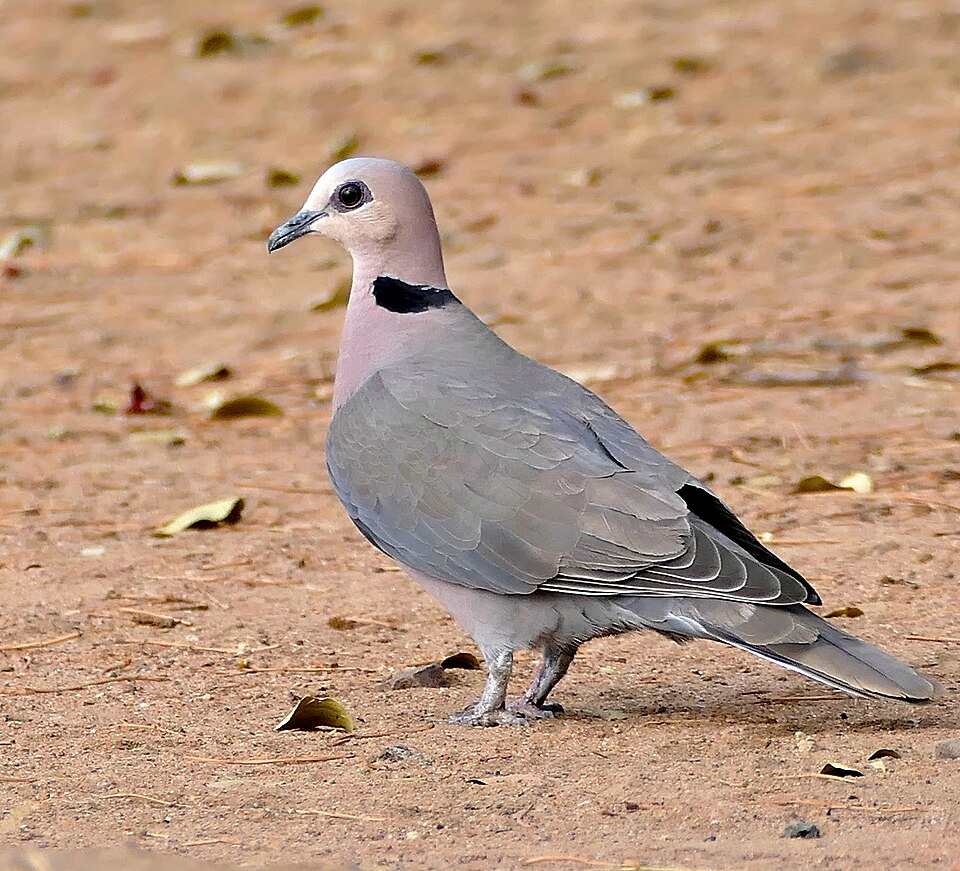 Red-eyed Dove
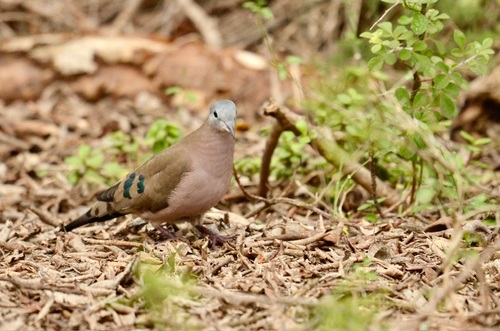 Emerald-spotted Wood-Dove
In breve
Il segno di campo più affidabile per separare il Red-eyed Dove dall'Emerald-spotted Wood-Dove è la dimensione: il Red-eyed Dove è molto più grande e massiccio, con un corpo visibilmente più lungo e una costruzione più pesante. In volo o posato, il Red-eyed Dove mostra un distintivo mezzo collare nero sul collo e manca delle brillanti macchie verdi sulle ali del wood-dove. I giovani di entrambe le specie sono più opachi, ma le macchie verdi smeraldo delle ali del wood-dove (anche se attenuate nei giovani) non sono mai eguagliate dal Red-eyed Dove. Se vedi una colomba di dimensioni medie o grandi con parti inferiori rossastre o color vino e un collare scuro sul collo, è il Red-eyed Dove; una piccola colomba paffuta con macchie verdi metalliche sulle ali è l'Emerald-spotted Wood-Dove.
Consigli di identificazione
- La dimensione è il separatore più veloce: Il Red-eyed Dove è molto più grande e massiccio dell'Emerald-spotted Wood-Dove. Se l'uccello sembra piccolo e compatto, è quasi certamente il wood-dove.
- Macchie verdi metalliche sulle ali: Solo l'Emerald-spotted Wood-Dove mostra brillanti macchie verdi metalliche sulle ali ripiegate (adulti e la maggior parte degli immaturi). Il Red-eyed Dove non ha mai verde sulle ali.
- Collare sul collo: Il Red-eyed Dove mostra un mezzo collare nero sul lato del collo (adulti e la maggior parte dei giovani), mentre l'Emerald-spotted Wood-Dove non ha alcun collare sul collo.
- Colore delle parti inferiori: Il Red-eyed Dove ha parti inferiori di un rosa malva scuro fino a rosso vino, specialmente sul collo e sul petto, mentre l'Emerald-spotted Wood-Dove è di un rosa malva più chiaro, che sfuma in bianco sull'addome.
- Testa e faccia: La fronte del Red-eyed Dove è di un grigio-bluastro pallido che si fonde in una corona più scura; l'Emerald-spotted Wood-Dove ha una fronte, una corona e una nuca grigio-bluastre, ma è complessivamente più chiara.
- Schema della coda: L'Emerald-spotted Wood-Dove ha bande nerastre sulla parte bassa della schiena e sulla coda, mentre le rectrici del Red-eyed Dove sono grigie scure alla base e grigie-brune chiare distalmente, senza forti bande.
- Colore del becco: Entrambi hanno becchi scuri, ma il becco dell'Emerald-spotted Wood-Dove è nerastro con una base rossa, che può essere visibile da vicino; il becco del Red-eyed Dove è completamente nero.
- Piedi e pelle orbitale: Entrambi hanno piedi e pelle orbitale di un rosso purpureo, ma questi non sono affidabili sul campo a meno che non siano visti molto bene.
- Confusione nei giovani: Il giovane Emerald-spotted Wood-Dove ha macchie verdi sulle ali più opache e frange di piume color crema, ma il verde è ancora presente. Il giovane Red-eyed Dove è complessivamente più opaco e marrone, ma non mostra mai macchie verdi sulle ali.
- Stile di volo: Il Red-eyed Dove vola con forti battiti regolari delle ali e occasionali scatti rapidi; il volo dell'Emerald-spotted Wood-Dove è meno descritto ma è generalmente più debole e più fluttuante a causa delle sue dimensioni più piccole.
- Contesto dell'habitat: In boschi aperti e asciutti, è più probabile vedere l'Emerald-spotted Wood-Dove; in boschi più umidi e densi o vicino all'acqua, ci si aspetta di più il Red-eyed Dove, ma entrambi possono sovrapporsi in alcune aree.
- Postura posata: Il Red-eyed Dove spesso si posa in alto e dritto, apparendo con un collo lungo e pesante. L'Emerald-spotted Wood-Dove è più probabile che venga visto a terra o basso nei cespugli, apparendo compatto e con un collo corto.
- Vocalizzazione: Se senti una sequenza di cooing a tre parti, prolungata (due coo lunghi, una serie discendente, poi coo rapidi), è l'Emerald-spotted Wood-Dove. Il richiamo del Red-eyed Dove non è descritto qui, quindi usa questo solo se si sente il richiamo del wood-dove.
- Sessi simili: Entrambe le specie mostrano poco dimorfismo sessuale, quindi tutti i segni di campo si applicano sia ai maschi che alle femmine.
- Variazione geografica: L'Emerald-spotted Wood-Dove è monotipo con solo variazione clinale; il Red-eyed Dove è più grande negli Alti Pianure etiopi, ma questo non è un segno di campo a meno che non si confrontino le popolazioni a livello regionale.
Taglia
Il Red-eyed Dove è drammaticamente più grande, con una massa corporea media di 235 g contro solo 56 g per l'Emerald-spotted Wood-Dove [wikidata]. Il Red-eyed Dove raggiunge circa 30 cm di lunghezza, rendendolo la più grande colomba 'ringneck' nel suo areale, mentre l'Emerald-spotted Wood-Dove è molto più piccolo, intorno ai 20 cm. La differenza è ovvia sul campo: il Red-eyed Dove appare lungo e robusto, mentre l'Emerald-spotted Wood-Dove è compatto e con una coda corta. Anche a distanza o in stormi misti, il divario di dimensioni è sorprendente ed è spesso il primo indizio.
Piumaggio
Uccelli giovani e immaturi: Entrambe le specie sono più opache quando sono giovani, ma i segni chiave persistono. I giovani Emerald-spotted Wood-Dove hanno macchie verdi più opache sulle ali e frange di piume color crema, ma le macchie metalliche verdi sono ancora visibili, anche se meno vibranti. I giovani Red-eyed Dove sono complessivamente più marroni e opachi rispetto agli adulti, ma non mostrano mai macchie verdi sulle ali; la loro caratteristica più distintiva è il mezzo collare scuro sul collo, che è presente ma meno definito negli uccelli giovani.
Adulti: Il Red-eyed Dove ha una fronte grigio-bluastro pallido che si fonde in una corona più scura, un collo e parti inferiori di un rosa malva scuro fino a rosso vino, parti superiori grigio-brune, e un mezzo collare nero sul collo. Le sue ali sono di un blu scuro ardesia con primarie nere, e la parte inferiore dell'ala è grigio-bluastro. L'Emerald-spotted Wood-Dove è di un grigio-bruno pallido sopra, con una fronte e una corona grigio-bluastre, una gola grigio-rosata, e parti inferiori rosa-malve che sfumano in bianco sull'addome. La caratteristica più diagnostica sono le macchie verdi metalliche sulle ali ripiegate, visibili in tutte le piumature tranne che nei giovani più opachi. La coda del wood-dove ha bande nerastre, e il becco è nerastro con una base rossa, mentre il becco del Red-eyed Dove è nero. Entrambe le specie hanno alcune tonalità rossastre o rosa sulle parti inferiori, ma il Red-eyed Dove è molto più scuro e ricco di colore.
Comportamento
Entrambe le specie sono tipicamente viste singolarmente o in coppie piuttosto che in grandi stormi, ma l'Emerald-spotted Wood-Dove può radunarsi in piccoli gruppi presso le pozze d'acqua. Il Red-eyed Dove spesso si posa più in alto sugli alberi e può essere visto volare con forti battiti regolari delle ali e occasionali scatti rapidi, tipici delle colombe. L'Emerald-spotted Wood-Dove si nutre principalmente a terra di semi ed è meno probabile che venga visto posato in modo prominente. Entrambe le specie costruiscono nidi di rami negli alberi o nei cespugli e depongono due uova, ma questi comportamenti non sono utili per la separazione sul campo.
Habitat
Il Red-eyed Dove è diffuso e comune in una vasta gamma di habitat boschivi in tutta l'Africa sub-sahariana, tranne che nei deserti. Si trova spesso in foreste vicino a fiumi, giardini e aree urbane boschive. L'Emerald-spotted Wood-Dove preferisce boschi decidui aperti e più asciutti e crescita secondaria, evitando la foresta pluviale sempreverde e il vero deserto. Se ti trovi in una foresta densa o vicino all'acqua, è più probabile vedere il Red-eyed Dove; in boschi più asciutti e aperti, specialmente con alberi e cespugli sparsi, è più atteso l'Emerald-spotted Wood-Dove. Tuttavia, c'è una certa sovrapposizione degli habitat, quindi la piumatura e la dimensione sono più affidabili.
Voce
Il richiamo del Red-eyed Dove non è descritto nelle note fornite. L'Emerald-spotted Wood-Dove ha un richiamo distintivo a tre parti: due coo lunghi e morbidi, una serie di coo discendenti lenti che durano circa 10 secondi, e un ultimo scoppio di coo rapidi per 4 secondi, diminuendo di volume. Se senti questa sequenza di cooing complessa e prolungata, indica l'Emerald-spotted Wood-Dove. In assenza di una descrizione della voce del Red-eyed Dove, la vocalizzazione è solo diagnostica se senti il modello unico del wood-dove.
Red-eyed Dove · Emerald-spotted Wood-Dove · I miei uccelli difficili