

Purple Finch vs Cassin's Finch
Haemorhous purpureus contro Haemorhous cassinii
Fai un quiz con Purple Finch e Cassin's Finch
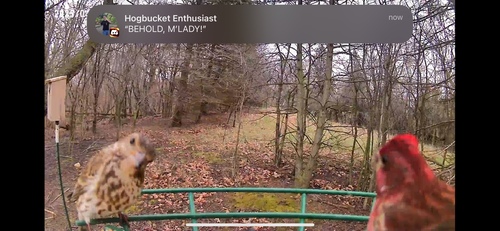 Purple Finch
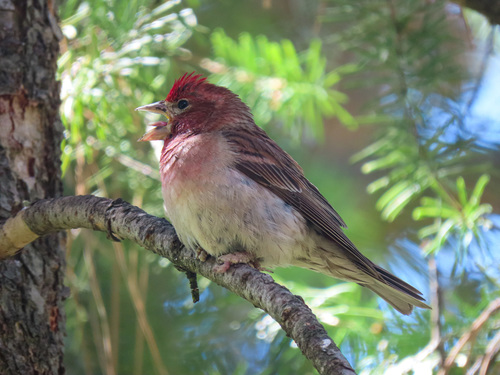 Cassin's Finch
In breve
Il segno di campo più affidabile tra il Purple Finch e il Cassin's Finch è il becco: il Cassin's Finch mostra un becco notevolmente più lungo e appuntito, mentre il Purple Finch ha un becco più corto e smussato. I maschi adulti di entrambe le specie sono di un rosso lampone, ma il Cassin's è solitamente leggermente più grande e con ali più lunghe, con marcature facciali meno distinte nelle femmine. Le femmine di Purple Finch hanno un sopracciglio bianco audace, mentre le femmine di Cassin's Finch hanno volti più semplici. Entrambe le specie hanno ali e code marroni, ma sottili differenze nella struttura e nel motivo facciale sono fondamentali, specialmente negli uccelli non in riproduzione o immaturi.
Consigli di identificazione
- Forma e lunghezza del becco: Il Cassin's Finch ha un becco notevolmente più lungo e appuntito; il becco del Purple Finch è più corto e smussato. Questa è la differenza strutturale più affidabile, visibile anche da lontano se l'uccello è di lato.
- Motivo facciale nelle femmine/immaturi: Le femmine e gli immaturi di Purple Finch mostrano un forte sopracciglio bianco (supercilium) e una striscia scura malare (baffo) in contrasto. Le femmine di Cassin's Finch hanno un sopracciglio molto più debole o assente, dando un volto più semplice e meno marcato.
- Dimensioni e struttura complessive: Il Cassin's Finch è leggermente più grande e con ali più lunghe, ma questo è spesso difficile da giudicare a meno che entrambe le specie non siano affiancate. Il Cassin's può apparire più snello e con una coda più lunga.
- Piumaggio maschile: Entrambi i maschi adulti sono di un rosso lampone, ma il Cassin's può apparire di un rosso più brillante o più esteso. Questo è variabile e non affidabile da solo.
- Striature sulla schiena: Entrambe le specie hanno schiene striate, ma il motivo non è un forte separatore.
- Striature sotto le parti: Entrambe le femmine sono pesantemente striate sotto, ma il Purple Finch è più contrastante, con striature più scure e definite su uno sfondo più bianco.
- Forma della coda: Entrambi hanno code marroni corte e forked; la forma della coda non è diagnostica.
- Ali e modello di volo: Non sono descritte differenze distintive nel modello di volo o nelle ali superiori per nessuna età; non fare affidamento su questa caratteristica.
- Contesto dell'habitat: Nelle montagne del nord-ovest americano, specialmente nelle foreste conifere ad alta quota, il Cassin's Finch è molto più probabile. Nel nord-est o nelle foreste di pianura, ci si aspetta il Purple Finch.
- Confusione delle sottospecie: I Purple Finch occidentali (H. p. californicus) possono apparire più scuri e avere un becco più lungo, ma mostrano ancora un sopracciglio più forte rispetto al Cassin's.
- Comportamento in gruppo: Il Cassin's Finch è più probabile da vedere in gruppi al di fuori della stagione di riproduzione, ma anche i Purple Finch possono formare gruppi.
- Movimento stagionale: Entrambe le specie possono muoversi in inverno, ma il Cassin's è più probabile che scenda dalle montagne a quote più basse.
- Voce: Non sono fornite differenze vocali diagnostiche nelle note; non fare affidamento sul canto o sul richiamo per la separazione in questo contesto.
- Trappole: Fai attenzione alla confusione con il House Finch (non trattata qui); controlla sempre prima la forma del becco e il motivo facciale.
- Quando in dubbio: Se il motivo facciale è audace e contrastante, specialmente con un forte sopracciglio bianco, inclina verso il Purple Finch. Se il volto è semplice e il becco è lungo e appuntito, sospetta il Cassin's Finch.
Taglia
Il Cassin's Finch è generalmente più grande: la lunghezza media è di 16 cm (6.3 in) e il peso di 24–34 g (0.8–1.2 oz), mentre il Purple Finch è di 12–16 cm (4.7–6.3 in) e 19.8–28.4 g (0.7–1.0 oz) [wikipedia][avonet]. La differenza è sottile sul campo, ma il Cassin's appare spesso un po' più lungo e pesante, specialmente in confronto diretto.
Piumaggio
- Uccelli giovanili/immaturi/non in riproduzione: Entrambe le specie hanno ali e code marroni, e parti inferiori striate. Non sono descritte differenze distintive nel modello di volo o nelle ali superiori per queste età, quindi la separazione si basa su motivo facciale e struttura.
- Maschi adulti: Entrambi sono di un rosso lampone sulla testa, sul petto, sulla schiena e sul coda, con schiene striate. I maschi di Cassin's Finch possono apparire leggermente più brillanti o di un rosso più esteso, ma questo è variabile e inaffidabile. Entrambi hanno ali e code marroni.
- Femmine adulte: Le femmine di Purple Finch hanno parti superiori marroni chiare e parti inferiori bianche con forti striature marroni scure, oltre a un audace supercilium bianco (sopracciglio). Le femmine di Cassin's Finch sono simili ma le marcature facciali sono meno distinte: il sopracciglio è più debole o assente, e il volto complessivo è più semplice. Entrambe hanno parti inferiori striate, ma il Purple Finch è più contrastante. Le sottospecie di Purple Finch (H. p. californicus) possono essere più scure e più verdastre, con un becco più lungo, ma mostrano ancora un sopracciglio più forte rispetto al Cassin's.
Comportamento
Entrambe le specie cercano cibo sugli alberi e a volte a terra, mangiando principalmente semi, gemme e bacche. Il Cassin's Finch è più probabile da vedere in gruppi al di fuori della stagione di riproduzione. Non sono notate forti differenze comportamentali per la separazione sul campo.
Habitat
Il Purple Finch nidifica nel nord degli Stati Uniti, nel sud del Canada e sulla costa occidentale, preferendo foreste miste e conifere, e può essere trovato in una gamma più ampia di habitat boschivi. Il Cassin's Finch è più strettamente associato a foreste conifere nelle montagne del nord-ovest americano, nidificando in grandi conifere e spostandosi a quote più basse in inverno. Può verificarsi sovrapposizione a ovest, ma il Cassin's è molto più legato a habitat conifere ad alta quota o montani.