

Piratic Flycatcher vs Variegated Flycatcher
Legatus leucophaius contro Empidonomus varius
Fai un quiz con Piratic Flycatcher e Variegated Flycatcher
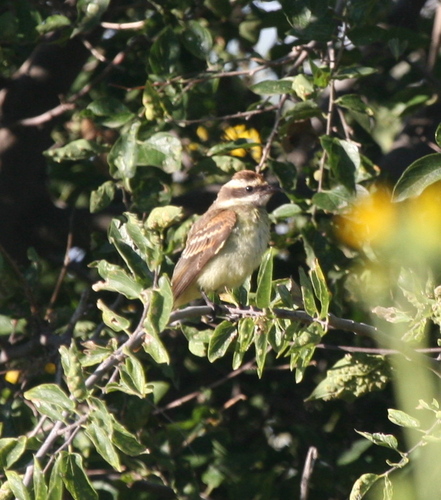 Piratic Flycatcher
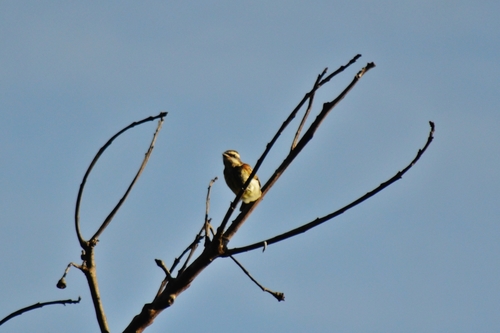 Variegated Flycatcher
In breve
Il segno di campo più affidabile tra Piratic Flycatcher e Variegated Flycatcher è il modello e il colore delle copritrici alari e dei bordi della coda, specialmente nei giovani e negli uccelli in posa. I giovani Piratic Flycatcher mostrano ampi bordi cannella sulle copritrici alari e bordi arrugginiti sulla coda, mentre i giovani Variegated Flycatcher hanno ampi bordi bianchi sulle copritrici e bordi rufous sulla coda. Gli adulti di entrambe le specie hanno una macchia di corona gialla nascosta e una forma generale simile, ma il Variegated Flycatcher è nettamente più grande e ha un aspetto superiore più maculato e striato. Differenze sottili nella striatura delle parti inferiori, nel colore del becco e nella forma del supercilium aiutano anche a separarli, ma fai attenzione alla sovrapposizione nella postura e nella colorazione generale.
Consigli di identificazione
- Bordi delle ali e della coda nei giovani: Cerca ampi bordi cannella sulle copritrici alari e bordi arrugginiti sulla coda nei giovani Piratic Flycatcher; i giovani Variegated hanno ampi bordi bianchi sulle copritrici e bordi rufous sulla coda. Questi segni sono più visibili sugli uccelli in posa o in buone viste in volo.
- Modello della parte superiore: L'adulto Variegated Flycatcher mostra un aspetto superiore nettamente maculato o striato a causa di striature bianche pallide, mentre il Piratic Flycatcher è più uniformemente grigio-bruno scuro o oliva-bruno con solo bordi di piume pallidi.
- Colore e bordi della coda: Il Variegated Flycatcher ha una coda marrone scuro o nerastro con bordi di piume rufous; il Piratic Flycatcher ha una coda marrone scuro o nerastro con bordi più chiari (non rufous), a volte solo sulle membrane interne.
- Forma del supercilium: Entrambe le specie hanno un ampio supercilium biancastro, ma nel Piratic Flycatcher è più opaco e si avvolge sotto la corona, con deboli striature grigie verso il retro; nel Variegated, è più lungo e si estende quasi attorno alla nuca, apparendo spesso più prominente.
- Macchia di corona: Entrambi hanno una macchia di corona gialla per lo più nascosta negli adulti, ma questa è raramente visibile sul campo. I giovani di entrambe le specie mancano della macchia di corona gialla.
- Striatura delle parti inferiori: Il Piratic Flycatcher ha striature audaci e ampie di colore bruno o oliva sul petto, i lati e i fianchi; il Variegated Flycatcher ha striature molto meno distinte, principalmente sul petto e sui lati, e i giovani sono privi di striature sotto.
- Colore del becco: Il Piratic Flycatcher ha un becco corto, largo e tozzo che è per lo più nero-bruno con una base più bruna per la mandibola. Il Variegated Flycatcher ha un becco nerastro con una base rosa pallido per la mandibola; questo può essere sottile ma può aiutare nelle viste ravvicinate.
- Modello di guancia e faccia: Il Piratic Flycatcher ha guance bianche con lore scure, copritrici auricolari e una striscia moustachial. Il Variegated Flycatcher ha guance bianche con una larga banda scura sotto di esse e una larga banda scura dai lore alle copritrici auricolari, dando un modello facciale più contrastato.
- Colore delle gambe: Entrambi hanno gambe e piedi scuri, non un separatore utile.
- Dimensioni e struttura: Il Variegated Flycatcher è più grande e spesso appare più robusto e con una coda più lunga rispetto al Piratic Flycatcher, ma fai attenzione alla sovrapposizione e agli effetti della postura.
- Jizz in volo: Entrambe le specie si lanciano per gli insetti da posatoi esposti; il Variegated può apparire più allungato in volo a causa delle sue dimensioni maggiori e della coda più lunga.
- Presenza stagionale: In Messico e America Centrale, il Piratic Flycatcher è assente in inverno (da fine settembre a gennaio), quindi un flycatcher con queste caratteristiche in quella stagione è più probabile sia il Variegated (anche se entrambi sono rari come vagabondi negli Stati Uniti).
- Sovrapposizione dell'habitat: Entrambe le specie utilizzano habitat simili, quindi il contesto non è un forte separatore tranne che ai margini dell'areale.
- Parti inferiori dei giovani: I giovani Piratic Flycatcher sono più chiari sotto con poche o nessuna striatura, mentre i giovani Variegated Flycatcher sono anch'essi privi di striature ma possono apparire ancora più chiari e meno marcati nel complesso.
- Variazione delle sottospecie: Le sottospecie di Piratic Flycatcher (L. l. variegatus) possono essere significativamente più grandi, e la sottospecie di Variegated Flycatcher (E. v. rufinus) è più piccola e più chiara sopra con più striature olivacee e meno audaci nelle parti inferiori. Queste differenze sono sottili e meglio utilizzate in combinazione con altri segni.
Taglia
Il Variegated Flycatcher è nettamente più grande del Piratic Flycatcher, con una lunghezza di 18–19 cm rispetto ai 14.5–17 cm del Piratic. Il Piratic Flycatcher pesa circa 23 g, mentre il Variegated Flycatcher è intorno ai 25 g. Sul campo, il Variegated appare spesso più robusto e con una coda più lunga, ma la dimensione da sola può essere fuorviante se non visto fianco a fianco.
Piumaggio
- Giovani: I giovani Piratic Flycatcher mancano della macchia di corona gialla, hanno punte di cannella chiare sulle piume della corona, un supercilium color crema, ampi bordi cannella sulle copritrici alari, bordi arrugginiti sulla coda e parti inferiori più chiare e meno striate. I giovani Variegated Flycatcher mancano anch'essi della macchia di corona gialla ma hanno parti inferiori non striate e ampi bordi bianchi sulle copritrici alari e piume da volo, con bordi rufous sulla coda.
- Adulti: Entrambe le specie hanno una corona nerastra con una macchia gialla per lo più nascosta, un ampio supercilium biancastro e parti superiori scure. Le parti superiori del Piratic Flycatcher sono grigio-bruno scuro o oliva-bruno con bordi di piume pallidi, mentre il Variegated Flycatcher ha un aspetto più maculato o striato a causa di striature bianche pallide sulle parti superiori. Il coda e le copritrici della coda del Variegated sono rufous, e la coda ha bordi di piume rufous; le copritrici della coda del Piratic hanno bordi arrugginiti o cannella, e la coda è marrone scuro con bordi più chiari. La striatura delle parti inferiori è più audace e più estesa nel Piratic (ampie striature bruno o oliva sul petto, i lati, i fianchi) rispetto al Variegated (strisce indistinte, principalmente sul petto e sui lati).
Comportamento
Entrambe le specie si posano apertamente e si lanciano per gli insetti, ma il Variegated Flycatcher è più propenso a unirsi a stormi di specie miste e può essere visto foraggiando a livelli medi o nelle cime degli alberi. Il Piratic Flycatcher è un migratore parziale e può essere assente da alcune aree in inverno, mentre il Variegated è più costantemente presente nel suo areale. Entrambi possono essere visti catturare insetti da posatoi esposti, ma il Variegated può anche mangiare frutta, specialmente durante la migrazione.
Habitat
Entrambe le specie si sovrappongono ampiamente in areale e habitat, essendo trovate dal Messico e Trinidad attraverso la maggior parte del Sud America (eccetto il Cile). Entrambi utilizzano boschi aperti, bordi forestali e habitat semi-aperti. Il Piratic Flycatcher è un migratore parziale in America Centrale e Messico, abbandonando queste aree nella stagione non riproduttiva, mentre il Variegated Flycatcher è più residente ma migra anche all'interno del Sud America. L'habitat non è un forte separatore tranne che ai margini dei loro areali o durante la migrazione.
Piratic Flycatcher · Variegated Flycatcher · I miei uccelli difficili