

Northern House Wren vs Chestnut-breasted Wren
Troglodytes aedon contro Cyphorhinus thoracicus
Fai un quiz con Northern House Wren e Chestnut-breasted Wren
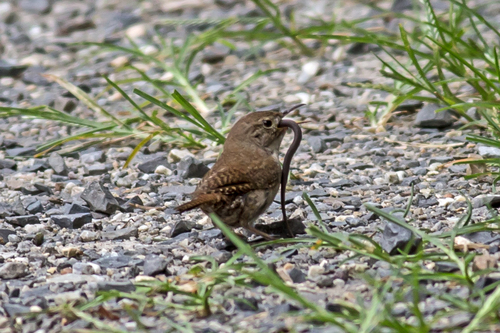 Northern House Wren
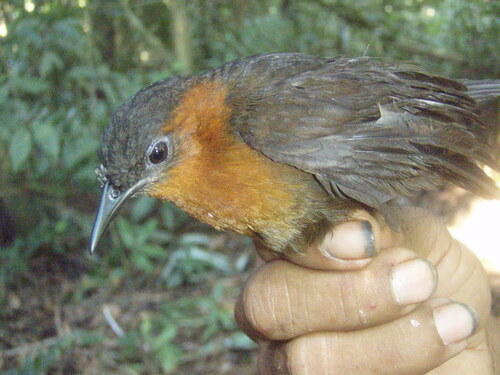 Chestnut-breasted Wren
In breve
Il segno di campo più affidabile per separare il Northern House Wren dal Chestnut-breasted Wren è il piumaggio: il Chestnut-breasted Wren mostra un volto, una gola e un ventre superiore di un profondo arancio-bruno, in contrasto con la sua corona nera fuligginosa e il dorso marrone ricco, mentre il Northern House Wren è molto più semplice e privo di toni arancioni o castani. I giovani Chestnut-breasted Wrens hanno un ventre inferiore più chiaro ma mostrano comunque il caratteristico castano sulla parte superiore, a differenza di qualsiasi età di House Wren. Strutturalmente, il Chestnut-breasted Wren è molto più pesante e massiccio, con un aspetto complessivamente più scuro e ricco. L'habitat è anche un forte indizio: l'House Wren è un uccello comune nei sobborghi e nelle campagne del Nord America, mentre il Chestnut-breasted Wren è una specie forestale del sud del Perù e del nord-ovest della Bolivia.
Consigli di identificazione
- Colore del volto e della gola: Il Chestnut-breasted Wren mostra sempre un volto, una gola e un ventre superiore di un profondo arancio-bruno (castano)—questo non è mai presente nel Northern House Wren di qualsiasi età o sesso.
- Colore della corona: Il Chestnut-breasted Wren ha una corona nera fuligginosa, in contrasto con il dorso marrone. La corona dell'House Wren è sempre simile nel tono al suo dorso, mai nera.
- Parti inferiori: L'House Wren è semplice sotto, variando dal marrone al beige o grigio chiaro, a volte con leggere barre sui fianchi. Il Chestnut-breasted Wren ha un ventre inferiore e fianchi marrone scuro, con una transizione netta dal ventre superiore arancio-bruno.
- Segni giovanili: Anche i giovani Chestnut-breasted Wrens mostrano il volto e la gola castani, con solo il ventre inferiore più chiaro. I giovani House Wren sono semplicemente marroni e privi di qualsiasi castano.
- Contrasto generale: Il Chestnut-breasted Wren ha un motivo audace e colori forti; l'House Wren è molto più opaco e uniforme.
- Dimensione e massa: Il Chestnut-breasted Wren è molto più pesante e massiccio dell'House Wren—se vedi un wren grande e massiccio, non è un House Wren.
- Coda: Entrambe le specie hanno dark brown tails with barring, ma la coda dell'House Wren è più corta e spesso sollevata; la coda del Chestnut-breasted Wren è proporzionalmente più lunga e meno probabile che venga tenuta eretta.
- Becco: L'House Wren ha un becco lungo e sottile con una mandibola superiore nerastro e una mandibola inferiore chiara con una punta nera. Il becco del Chestnut-breasted Wren non è descritto in dettaglio nelle fonti, ma non è un separatore primario.
- Anello oculare e sopracciglio: L'House Wren può mostrare un leggero anello oculare e sopracciglio; il Chestnut-breasted Wren non ha queste caratteristiche facciali chiare, mostrando invece una forte colorazione arancio-bruna.
- Habitat: L'House Wren si trova in habitat aperti, suburbani o di margine nel Nord America; il Chestnut-breasted Wren è limitato a foreste umide nel sud del Perù e nel nord-ovest della Bolivia. La posizione è un forte indizio.
- Comportamento: L'House Wren è attivo, vivace e spesso visibile; il Chestnut-breasted Wren è timido, riservato e di solito nascosto nella fitta vegetazione forestale.
- Canto: Il canto dell'House Wren è frizzante e variabile, spesso udito nella stagione riproduttiva; il canto del Chestnut-breasted Wren è più musicale e meno frenetico, ma questo non è un segno di campo primario.
- Stagione e contesto: L'House Wren è presente nel suo areale durante la stagione riproduttiva ed è spesso udito cantare; il Chestnut-breasted Wren è residente in foreste umide tutto l'anno.
- Trappole: Non fare affidamento sulle barre sulle ali e sulla coda, poiché entrambe le specie mostrano questo in una certa misura. Concentrati sul colore del volto e delle parti inferiori, sulla dimensione e sull'habitat.
- Differenze sessuali: Non sono descritte differenze di piumaggio specifiche per sesso per nessuna delle due specie; tutti i segni di campo si applicano sia ai maschi che alle femmine.
Taglia
Il Northern House Wren è un wren molto piccolo, con una massa media di circa 11,5 g e una lunghezza di 11–13 cm [wikidata, wikipedia]. Il Chestnut-breasted Wren è molto più grande e pesante, con una lunghezza che varia da 11,5 a 15 cm e un peso di 26,5–41 g [wikipedia]. Sul campo, il Chestnut-breasted Wren apparirà notevolmente più massiccio e robusto, mentre l'House Wren è piccolo e compatto. La differenza di massa è particolarmente sorprendente: il Chestnut-breasted Wren è più di due volte più pesante dell'House Wren.
Piumaggio
- Giovanile/immaturo: I giovani Chestnut-breasted Wrens hanno un ventre inferiore più chiaro ma mantengono il profondo volto, gola e ventre superiore arancio-bruno, e i fianchi e il ventre inferiore marrone scuro. I giovani Northern House Wren sono simili agli adulti: semplicemente marroni sopra, più chiari sotto, con solo leggere barre e senza toni arancioni o castani.
- Adulto: Gli adulti Chestnut-breasted Wren sono marcati audacemente con una corona nera fuligginosa, un dorso e un coda marrone scuro ricco, una coda marrone scuro e un volto, gola e ventre superiore di un profondo arancio-bruno. I fianchi e il ventre inferiore sono marrone scuro. Gli adulti Northern House Wren sono molto più semplici, con le parti superiori che variano da un grigio-marrone opaco a un marrone rufescente ricco, le parti inferiori da marrone a beige o grigio chiaro, e sempre privi di qualsiasi forte colorazione arancione o castana. Entrambe le specie hanno alcune barre sulle ali e sulla coda, ma solo l'House Wren può mostrare un leggero anello oculare e sopracciglio. Il contrasto e il colore complessivi del Chestnut-breasted Wren sono molto più forti.
Comportamento
Il Northern House Wren è spesso attivo, vivace e appariscente, frequentemente visto saltellare tra arbusti, giardini e boschi aperti, spesso con la sua corta coda sollevata. Il Chestnut-breasted Wren, al contrario, è un uccello forestale schivo, più probabile da sentire che da vedere, e tipicamente rimane nascosto nella fitta vegetazione. Gli House Wrens sono più propensi a essere visti in spazi aperti o vicino a insediamenti umani, mentre i Chestnut-breasted Wrens tendono a rimanere negli interni ombrosi delle foreste.
Habitat
L'habitat è un forte separatore. Il Northern House Wren si trova in una vasta gamma di habitat aperti e suburbani nel sud del Canada, negli Stati Uniti e in Messico, ed è comune in giardini, parchi e habitat di margine [wikipedia]. Il Chestnut-breasted Wren è limitato a foreste umide nel sud del Perù e nel nord-ovest estremo della Bolivia, e non si trova in ambienti aperti o suburbani. Se ti trovi in un parco cittadino o in un cortile nel Nord America, stai quasi certamente vedendo un House Wren; se ti trovi in una fitta foresta sudamericana, è possibile che tu stia vedendo un Chestnut-breasted Wren.
Voce
Il Northern House Wren ha un canto ricco, frizzante e variabile, comunemente udito durante la stagione di nidificazione ma raramente dopo [wikipedia]. Il Chestnut-breasted Wren è noto per significative differenze vocali rispetto ai suoi parenti più stretti, ma non è descritta alcuna comparazione diretta con l'House Wren nelle fonti. In generale, il canto del Chestnut-breasted Wren è più musicale e meno frenetico rispetto a quello dell'House Wren, ma questo non è un segno di campo primario per la separazione tra queste due specie.
Northern House Wren · Chestnut-breasted Wren · I miei uccelli difficili