

Chochín Criollo Norteño vs Chestnut-breasted Wren
Troglodytes aedon frente a Cyphorhinus thoracicus
Juega un quiz con Chochín Criollo Norteño y Chestnut-breasted Wren
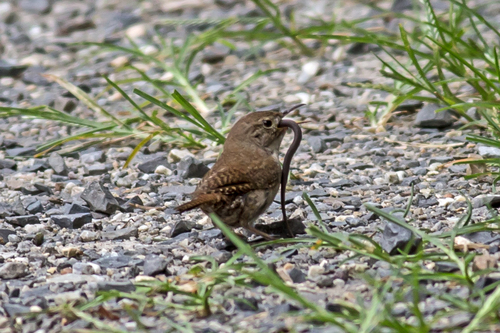 Chochín Criollo Norteño
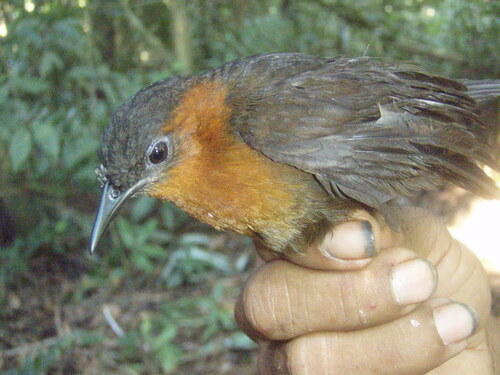 Chestnut-breasted Wren
En breve
La marca de campo más confiable para separar el Chochín Criollo Norteño del Chestnut-breasted Wren es el plumaje: el Chestnut-breasted Wren muestra una cara, garganta y parte superior del vientre de un profundo color marrón anaranjado, contrastando con su corona negra sucia y su rica espalda marrón, mientras que el Chochín Criollo Norteño es mucho más sencillo y carece de tonos anaranjados o castaños. Los juveniles de Chestnut-breasted Wrens tienen un vientre inferior más pálido pero aún muestran el distintivo castaño en las partes superiores, a diferencia de cualquier edad de Chochín. Estructuralmente, el Chestnut-breasted Wren es mucho más pesado y robusto, con un aspecto general más oscuro y rico. El hábitat también es una pista fuerte: el Chochín es un ave común en suburbios y campos abiertos en América del Norte, mientras que el Chestnut-breasted Wren es una especie forestal del sur de Perú y el noroeste de Bolivia.
Consejos de identificación
- Color de la cara y garganta: El Chestnut-breasted Wren siempre muestra una cara, garganta y parte superior del vientre de un profundo color marrón anaranjado (castaño); esto nunca está presente en el Chochín Criollo Norteño de ninguna edad o sexo.
- Color de la corona: El Chestnut-breasted Wren tiene una corona negra sucia, contrastando con la espalda marrón. La corona del Chochín siempre es similar en tono a su espalda, nunca negra.
- Partes inferiores: El Chochín es sencillo por debajo, variando de marrón a beige o gris pálido, a veces con ligeras rayas en los flancos. El Chestnut-breasted Wren tiene un vientre inferior y flancos marrón oscuro, con una transición marcada desde el vientre superior marrón anaranjado.
- Marcas juveniles: Incluso los juveniles de Chestnut-breasted Wrens muestran la cara y garganta castañas, con solo el vientre inferior siendo más pálido. Los juveniles del Chochín son de un marrón uniforme y carecen de cualquier castaño.
- Contraste general: El Chestnut-breasted Wren tiene un patrón audaz y colores fuertes; el Chochín es mucho más apagado y uniforme.
- Tamaño y volumen: El Chestnut-breasted Wren es mucho más pesado y robusto que el Chochín; si ves un wren grande y robusto, no es un Chochín.
- Cola: Ambas especies tienen colas marrón oscuro con rayas, pero la cola del Chochín es más corta y a menudo está levantada; la cola del Chestnut-breasted Wren es proporcionalmente más larga y menos probable que se mantenga erguida.
- Pico: El Chochín tiene un pico largo y delgado con una mandíbula superior negruzca y una mandíbula inferior pálida con una punta negra. El pico del Chestnut-breasted Wren no se describe en detalle en las fuentes, pero no es un separador principal.
- Anillo ocular y ceja: El Chochín puede mostrar un leve anillo ocular y ceja; el Chestnut-breasted Wren no tiene estas características faciales pálidas, mostrando en su lugar una fuerte coloración marrón anaranjada.
- Hábitat: El Chochín se encuentra en hábitats abiertos, suburbanos o de borde en América del Norte; el Chestnut-breasted Wren está restringido a bosques húmedos en el sur de Perú y el noroeste de Bolivia. La ubicación es una pista fuerte.
- Comportamiento: El Chochín es activo, vivaz y a menudo visible; el Chestnut-breasted Wren es tímido, secreto y generalmente se oculta en la densa maleza del bosque.
- Canto: El canto del Chochín es burbujeante y variable, a menudo escuchado en la temporada de cría; el canto del Chestnut-breasted Wren es más musical y menos frenético, pero esta no es una marca de campo principal.
- Temporada y contexto: El Chochín está presente en su rango durante la temporada de cría y a menudo se le escucha cantar; el Chestnut-breasted Wren es residente en bosques húmedos durante todo el año.
- Trampas: No confíes en las rayas en las alas y la cola, ya que ambas especies muestran esto en cierta medida. Enfócate en el color de la cara y las partes inferiores, el tamaño y el hábitat.
- Diferencias de sexo: No se describen diferencias de plumaje específicas de sexo para ninguna de las especies; todas las marcas de campo se aplican tanto a machos como a hembras.
Tamaño
El Chochín Criollo Norteño es un wren muy pequeño, con un promedio de aproximadamente 11.5 g de masa y 11–13 cm de longitud [wikidata, wikipedia]. El Chestnut-breasted Wren es mucho más grande y pesado, variando de 11.5 a 15 cm de longitud y pesando de 26.5 a 41 g [wikipedia]. En el campo, el Chestnut-breasted Wren aparecerá notablemente más robusto y robusto, mientras que el Chochín es pequeño y compacto. La diferencia en masa es especialmente notable: el Chestnut-breasted Wren es más de dos veces más pesado que el Chochín.
Plumaje
- Juvenil/inmaduro: Los juveniles de Chestnut-breasted Wrens tienen un vientre inferior más pálido pero retienen la cara, garganta y parte superior del vientre de un profundo color marrón anaranjado, y los flancos y vientre inferiores marrón oscuro. Los juveniles del Chochín son similares a los adultos: marrón uniforme por encima, más pálido por debajo, con solo ligeras rayas y sin tonos anaranjados o castaños.
- Adulto: Los adultos de Chestnut-breasted Wren están marcados audazmente con una corona negra sucia, una rica espalda y rabadilla marrón oscuro, cola marrón oscuro, y una cara, garganta y parte superior del vientre de un profundo color marrón anaranjado. Los flancos y el vientre inferior son marrón oscuro. Los adultos del Chochín son mucho más sencillos, con partes superiores que varían de marrón grisáceo apagado a marrón rufescente rico, partes inferiores de marrón a beige o gris pálido, y siempre careciendo de cualquier coloración fuerte anaranjada o castaña. Ambas especies tienen algunas rayas en las alas y la cola, pero solo el Chochín puede mostrar un leve anillo ocular y ceja. El contraste y color general del Chestnut-breasted Wren son mucho más fuertes.
Comportamiento
El Chochín Criollo Norteño es a menudo activo, vivaz y conspicuo, frecuentemente visto saltando a través de arbustos, jardines y bosques abiertos, a menudo con su cola corta levantada. El Chestnut-breasted Wren, en contraste, es un ave forestal esquiva, más propensa a ser escuchada que vista, y típicamente permanece oculta en la densa maleza. Los Chochines son más propensos a ser vistos en espacios abiertos o cerca de la vivienda humana, mientras que los Chestnut-breasted Wrens tienden a permanecer en los interiores oscuros del bosque.
Hábitat
El hábitat es un separador fuerte. El Chochín Criollo Norteño se encuentra en una amplia gama de hábitats abiertos y suburbanos en el sur de Canadá, EE. UU. y México, y es común en jardines, parques y hábitats de borde [wikipedia]. El Chestnut-breasted Wren está restringido a bosques húmedos en el sur de Perú y el extremo noroeste de Bolivia, y no se encuentra en entornos abiertos o suburbanos. Si estás en un parque de la ciudad o en un patio trasero en América del Norte, casi con certeza estás viendo un Chochín; si estás en un denso bosque sudamericano, es posible que veas un Chestnut-breasted Wren.
Voz
El Chochín Criollo Norteño tiene un canto rico, burbujeante y variable, comúnmente escuchado durante la temporada de anidación pero raramente después [wikipedia]. El Chestnut-breasted Wren es conocido por diferencias vocales significativas con sus parientes cercanos, pero no se describe ninguna comparación directa con el Chochín en las fuentes. En general, el canto del Chestnut-breasted Wren es más musical y menos frenético que el del Chochín, pero esta no es una marca de campo principal para la separación entre estas dos especies.
Chochín Criollo Norteño · Chestnut-breasted Wren · Mis aves difíciles