
Murphy's Petrel vs Soft-plumaged Petrel
Pterodroma ultima contro Pterodroma mollis
Fai un quiz con Murphy's Petrel e Soft-plumaged Petrel
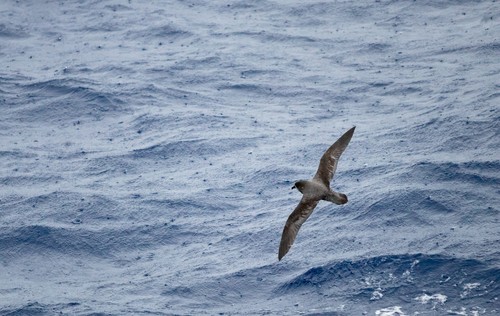 Murphy's Petrel
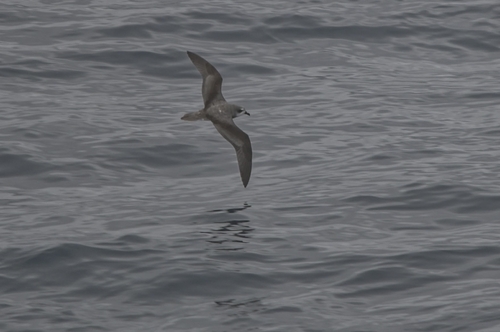 Soft-plumaged Petrel
In breve
Il modo più affidabile per separare il Murphy's Petrel dal Soft-plumaged Petrel è il piumaggio: il Murphy's è quasi interamente di un grigio scuro e fuligginoso con solo un mento pallido, mentre il Soft-plumaged Petrel mostra un forte contrasto tra le parti superiori scure e una parte inferiore per lo più bianca, con guance e gola bianche. In volo, le ali strette e la coda appuntita del Soft-plumaged Petrel si distinguono anche, specialmente se confrontate con il Murphy's più uniformemente scuro. Entrambe le specie hanno zampe rosate, ma solo il Soft-plumaged Petrel mostra nero sulle membrane esterne e sulle dita. Le differenze strutturali e di dimensioni sono sottili, quindi concentrati sui contrasti del piumaggio, specialmente nella testa, nelle parti inferiori e nel motivo delle ali.
Consigli di identificazione
- Overall plumage tone: Il Murphy's Petrel è quasi interamente di un grigio scuro e fuligginoso, con solo un mento pallido; il Soft-plumaged Petrel è molto più contrastante, con parti superiori scure e parti inferiori per lo più bianche. Questo è il segno di campo più affidabile a qualsiasi distanza e in qualsiasi luce.
- Head pattern: Il Soft-plumaged Petrel mostra una testa grigia scura con guance e gola bianche prominenti, macchie bianche sulla fronte e una marcata macchia scura attorno all'occhio. Il Murphy's Petrel manca di questi contrasti, apparendo uniformemente scuro con un mento pallido al massimo.
- Underparts: Il Soft-plumaged Petrel ha una parte inferiore per lo più bianca, in forte contrasto con le sue parti superiori e le ali inferiori. Anche il Murphy's Petrel è scuro sotto, tranne che per il mento.
- Wing and tail shape in flight: Il Soft-plumaged Petrel ha ali strette e una coda appuntita, che possono essere distintive in volo. Le ali e la coda del Murphy's Petrel non mostrano queste caratteristiche in modo così distintivo.
- Leg color and pattern: Entrambe le specie hanno zampe rosate, ma solo il Soft-plumaged Petrel ha nero sulle membrane esterne e sulle dita. Questo è un segno sottile, meglio visibile in buona luce o in foto ravvicinate.
- Bill: Il becco del Soft-plumaged Petrel è nero, fortemente ricurvo e lungo circa 25–32 mm. Il becco del Murphy's Petrel non è descritto come un segno di campo, quindi non fare affidamento su questa caratteristica a meno che non sia visto molto bene.
- Sexual dimorphism: Nessuna delle due specie mostra dimorfismo sessuale; tutti i segni di campo si applicano a entrambi i sessi.
- Juvenile/immature birds: Non è descritto alcun motivo specifico per le ali o le ali superiori per nessuna delle due specie, quindi usa gli stessi segni per tutte le età.
- Dark morph Soft-plumaged Petrel: Anche il morph scuro del Soft-plumaged Petrel mostra più contrasto rispetto al Murphy's Petrel, specialmente sul viso e sulle parti inferiori. Fai attenzione a confondere individui molto scuri, ma cerca qualsiasi segno di bianco sulle guance o sulla gola.
- Size and structure: Il Murphy's Petrel è leggermente più pesante, ma questo non è un segno di campo affidabile sul campo. Entrambi sono petrelli di dimensioni medie con proporzioni simili.
- Flight style: Le ali strette e la coda appuntita del Soft-plumaged Petrel possono conferire un volo più agile o galleggiante, ma questo è sottile e meglio utilizzato come prova di supporto.
- Vocalizations: Solo il Soft-plumaged Petrel è descritto come vocale, ma i richiami sono raramente uditi in mare. Non fare affidamento sulla voce per la separazione sul campo a meno che non sia in una colonia di nidificazione.
- Context and range: Entrambe le specie sono pelagiche e si sovrappongono in habitat oceanici; non usare la posizione da sola per l'identificazione.
- Pitfalls: Il principale errore è trascurare il bianco sul viso e sulle parti inferiori del Soft-plumaged Petrel, o sovrastimare l'oscurità del Murphy's Petrel. Cerca sempre il contrasto, specialmente sulla testa e sull'addome.
- Lighting and distance: In scarsa luce o a grande distanza, entrambi possono apparire scuri. Usa più caratteristiche—specialmente la presenza o l'assenza di bianco sul viso e sulle parti inferiori—prima di fare un'identificazione.
Taglia
Il Murphy's Petrel è leggermente più pesante (circa 360 g) rispetto al Soft-plumaged Petrel (circa 300 g) [wikipedia][wikidata], ma questa differenza non è probabile che sia evidente sul campo. Entrambi sono petrelli di dimensioni medie, e la loro lunghezza complessiva e l'apertura alare sono simili (Murphy's: 38–41 cm di lunghezza, 97 cm di apertura alare). Le differenze strutturali sono sottili e non affidabili per la separazione sul campo a distanza.
Piumaggio
-
Adults and all ages: Il Murphy's Petrel è quasi uniformemente scuro e fuligginoso, con solo un mento pallido che rompe l'oscurità; non c'è un forte contrasto tra le parti superiori e le parti inferiori. Il Soft-plumaged Petrel, al contrario, ha una testa grigia scura con bianco prominente sulle guance e sulla gola, macchie bianche sulla fronte e una marcata macchia scura attorno all'occhio. Le sue parti inferiori sono per lo più bianche, in forte contrasto con le parti superiori scure e le ali inferiori. Le ali sono strette e la coda è appuntita, particolarmente evidente in volo. Il becco del Soft-plumaged Petrel è nero e ricurvo, mentre quello del Murphy's è descritto meno distintamente ma non è notato come un segno di campo. Entrambi hanno zampe rosate, ma solo il Soft-plumaged Petrel ha nero sulle membrane esterne e sulle dita. Il Soft-plumaged Petrel ha anche un morph scuro, ma anche questo morph mostra più contrasto rispetto all'uniformità scura del Murphy's.
-
Juvenile/immature plumage: Non è descritto alcun motivo specifico per le ali o le ali superiori per nessuna delle due specie, quindi fai affidamento sui contrasti simili agli adulti sopra per tutte le età.
Comportamento
Entrambe le specie sono petrelli pelagici e sono probabili da vedere planare basse sull'oceano. Il Murphy's Petrel è noto per intraprendere lunghe escursioni alimentari durante l'incubazione, ma questo non è un segno di campo. In volo, le ali strette e la coda appuntita del Soft-plumaged Petrel possono conferire un aspetto leggermente più galleggiante o agile, ma le differenze comportamentali sono sottili e non affidabili per una rapida separazione sul campo.
Habitat
Entrambe le specie sono oceaniche e si trovano in habitat pelagici simili. L'habitat non è un separatore affidabile tra queste due specie sul campo.
Voce
Solo il Soft-plumaged Petrel è descritto come vocale, con lamenti di tono medio e squittii acuti. La voce del Murphy's Petrel non è descritta nelle note disponibili. Tuttavia, le vocalizzazioni sono raramente udite in mare e non sono un segno di campo pratico per la maggior parte degli osservatori.
Murphy's Petrel · Soft-plumaged Petrel · I miei uccelli difficili