
Petrel de Murphy vs Petrel Suave
Pterodroma ultima frente a Pterodroma mollis
Juega un quiz con Petrel de Murphy y Petrel Suave
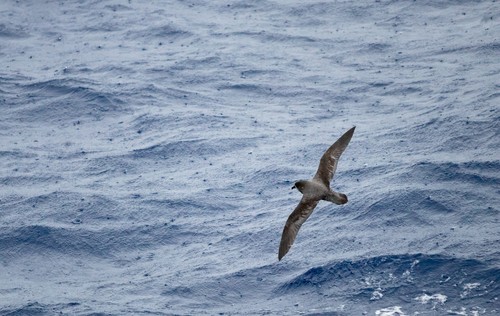 Petrel de Murphy
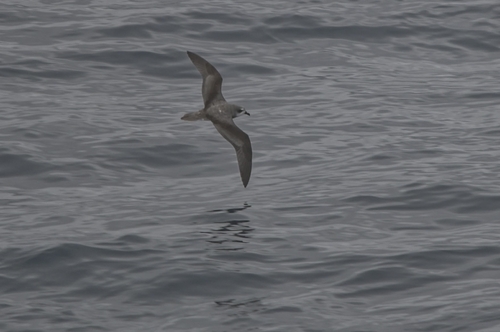 Petrel Suave
En breve
La forma más confiable de separar el Petrel de Murphy del Petrel Suave es el plumaje: el de Murphy es casi completamente gris oscuro y sucio con solo un mentón pálido, mientras que el Petrel Suave muestra un fuerte contraste entre las partes superiores oscuras y un vientre mayormente blanco, con mejillas y garganta blancas. En vuelo, las alas estrechas y la cola puntiaguda del Petrel Suave también destacan, especialmente en comparación con el más uniformemente oscuro Petrel de Murphy. Ambas especies tienen patas rosadas, pero solo el Petrel Suave muestra negro en las membranas externas y los dedos. Las diferencias estructurales y de tamaño son sutiles, así que concéntrate en los contrastes del plumaje, especialmente en la cabeza, las partes inferiores y el patrón de las alas.
Consejos de identificación
- Tono general del plumaje: El Petrel de Murphy es casi completamente gris oscuro y sucio, con solo un mentón pálido; el Petrel Suave es mucho más contrastante, con partes superiores oscuras y partes inferiores mayormente blancas. Esta es la marca de campo más confiable a cualquier distancia y en cualquier luz.
- Patrón de la cabeza: El Petrel Suave muestra una cabeza gris oscura con mejillas y garganta blancas prominentes, moteado blanco en la frente y un parche ocular oscuro audaz. El Petrel de Murphy carece de estos contrastes, apareciendo uniformemente oscuro con un mentón pálido como máximo.
- Partes inferiores: El Petrel Suave tiene un vientre mayormente blanco, que contrasta fuertemente con sus partes superiores y las alas inferiores. El Petrel de Murphy también es oscuro por debajo, excepto por el mentón.
- Forma de las alas y la cola en vuelo: El Petrel Suave tiene alas estrechas y una cola puntiaguda, que pueden ser distintivas en vuelo. Las alas y la cola del Petrel de Murphy no muestran estas características tan claramente.
- Color y patrón de las patas: Ambas especies tienen patas rosadas, pero solo el Petrel Suave tiene negro en las membranas externas y los dedos. Esta es una marca sutil, mejor vista en buena luz o en fotos cercanas.
- Pico: El pico del Petrel Suave es negro, con un gancho pronunciado, y mide aproximadamente 25–32 mm de largo. El pico del Petrel de Murphy no se describe como una marca de campo, así que no confíes en esta característica a menos que se vea muy bien.
- Dimorfismo sexual: Ninguna de las especies muestra dimorfismo sexual; todas las marcas de campo se aplican a ambos sexos.
- Aves juveniles/inmaduras: No se describe un patrón específico de alas o alas superiores para ninguna de las especies, así que utiliza las mismas marcas para todas las edades.
- Morfología oscura del Petrel Suave: Incluso la morfología oscura del Petrel Suave muestra más contraste que el Petrel de Murphy, especialmente en la cara y las partes inferiores. Ten cuidado de confundir individuos muy oscuros, pero busca cualquier señal de blanco en las mejillas o la garganta.
- Tamaño y estructura: El Petrel de Murphy es ligeramente más pesado, pero esta no es una marca de campo confiable en el campo. Ambos son petreles de tamaño mediano con proporciones similares.
- Estilo de vuelo: Las alas estrechas y la cola puntiaguda del Petrel Suave pueden darle un vuelo más ágil o ligero, pero esto es sutil y mejor utilizado como evidencia de apoyo.
- Vocalizaciones: Solo se describe al Petrel Suave como vocal, pero los llamados rara vez se escuchan en el mar. No confíes en la voz para la separación en el campo a menos que estés en una colonia de cría.
- Contexto y rango: Ambas especies son pelágicas y se superponen en hábitats oceánicos; no uses la ubicación sola para la identificación.
- Trampas: La principal trampa es pasar por alto el blanco en la cara y las partes inferiores del Petrel Suave, o sobreestimar la oscuridad del Petrel de Murphy. Siempre busca contraste, especialmente en la cabeza y el vientre.
- Iluminación y distancia: En mala luz o a gran distancia, ambos pueden parecer oscuros. Usa múltiples características—especialmente la presencia o ausencia de blanco en la cara y las partes inferiores—antes de hacer una identificación.
Tamaño
El Petrel de Murphy es ligeramente más pesado (aproximadamente 360 g) en comparación con el Petrel Suave (aproximadamente 300 g) [wikipedia][wikidata], pero esta diferencia probablemente no será obvia en el campo. Ambos son petreles de tamaño mediano, y su longitud total y envergadura son similares (Petrel de Murphy: 38–41 cm de longitud, 97 cm de envergadura). Las diferencias estructurales son sutiles y no son confiables para la separación en el campo a distancia.
Plumaje
-
Adultos y todas las edades: El Petrel de Murphy es casi uniformemente gris oscuro y sucio, con solo un mentón pálido rompiendo la oscuridad; no hay un fuerte contraste entre las partes superiores y las partes inferiores. El Petrel Suave, en contraste, tiene una cabeza gris oscura con blanco prominente en las mejillas y la garganta, moteado blanco en la frente y un parche ocular oscuro audaz. Sus partes inferiores son mayormente blancas, contrastando fuertemente con las partes superiores oscuras y las alas inferiores. Las alas son estrechas y la cola es puntiaguda, especialmente notable en vuelo. El pico del Petrel Suave es negro y ganchudo, mientras que el de Murphy se describe menos distintivamente pero no se menciona como una marca de campo. Ambos tienen patas rosadas, pero solo el Petrel Suave tiene negro en las membranas externas y los dedos. El Petrel Suave también tiene una morfología oscura, pero incluso esta morfología muestra más contraste que la oscuridad uniforme del Petrel de Murphy.
-
Plumaje juvenil/inmaduro: No se describe un patrón específico de alas o alas superiores para ninguna de las especies, así que confía en los contrastes similares a los de los adultos anteriores para todas las edades.
Comportamiento
Ambas especies son petreles pelágicos y es probable que se vean planeando bajo sobre el océano. Se nota que el Petrel de Murphy realiza largos viajes de alimentación durante la incubación, pero esto no es una marca de campo. En vuelo, las alas estrechas y la cola puntiaguda del Petrel Suave pueden darle una apariencia ligeramente más ligera o ágil, pero las diferencias de comportamiento son sutiles y no son confiables para una separación rápida en el campo.
Hábitat
Ambas especies son oceánicas y ocurren en hábitats pelágicos similares. El hábitat no es un separador confiable entre estas dos especies en el campo.
Voz
Solo se describe al Petrel Suave como vocal, con gemidos de tono medio y chillidos agudos. La voz del Petrel de Murphy no se describe en las notas disponibles. Sin embargo, las vocalizaciones rara vez se escuchan en el mar y no son una marca de campo práctica para la mayoría de los observadores.