

Mealy Amazon vs Sulphur-winged Parakeet
Amazona farinosa contro Pyrrhura hoffmanni
Fai un quiz con Mealy Amazon e Sulphur-winged Parakeet
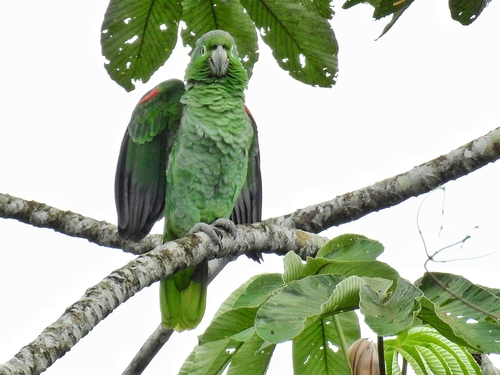 Mealy Amazon
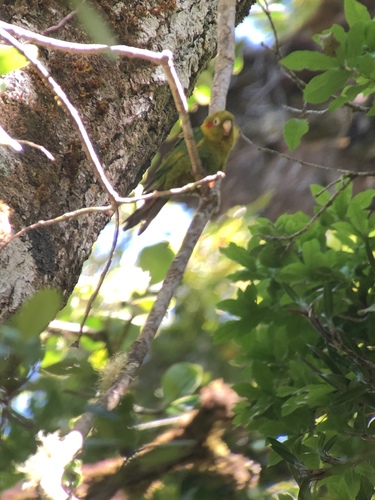 Sulphur-winged Parakeet
In breve
Il modo più affidabile per separare Mealy Amazon da Sulphur-winged Parakeet è per dimensione e struttura generale: Mealy Amazon è un pappagallo eccezionalmente grande e pesante con una coda corta e quadrata, mentre Sulphur-winged Parakeet è molto più piccolo e snello, con una coda proporzionalmente più lunga. In volo, i Mealy Amazon adulti mostrano un ampio bordo posteriore bluastro-nero e uno speculum rosso sull'ala, mentre i Sulphur-winged Parakeets mostrano copritrici primarie gialle e primarie esterne blu, ma mancano del pesante bordo posteriore. In posizione per lo più, i Mealy Amazon hanno un aspetto pallido, 'spolverato di farina' con una nuca e un dorso bianchi, mentre i Sulphur-winged Parakeets sono di un verde brillante con tocchi gialli e arancioni sulla testa e sul petto. Anche a distanza, la differenza di volume e forma della coda è sorprendente. Anche le vocalizzazioni sono distinte: i Mealy Amazon hanno richiami profondi e aspri, mentre i Sulphur-winged Parakeets emettono note acute e stridule.
Consigli di identificazione
- Dimensione e volume: Mealy Amazon è più di due volte più pesante e molto più lungo di Sulphur-winged Parakeet. Se l'uccello appare massiccio, con collo spesso e ali larghe, è un Mealy Amazon; se è snello, piccolo e con coda lunga, è un Sulphur-winged Parakeet. Questo è il segno di campo più affidabile in tutte le età e stagioni.
- Forma della coda: Mealy Amazon ha una coda corta e quadrata, tipica dei pappagalli Amazona. Sulphur-winged Parakeet ha una coda proporzionalmente più lunga e appuntita. Questo è ovvio in volo e quando è posato.
- Schema di volo: Mealy Amazon vola con battiti d'ala profondi e lenti, apparendo pesante e deliberato. Sulphur-winged Parakeet è molto più agile e rapido in volo, con battiti d'ala rapidi e superficiali.
- Schema dell'ala adulta (in volo): Mealy Amazon mostra un ampio bordo posteriore bluastro-nero all'ala e uno speculum rosso (macchia rossa sull'ala), meglio visibile in buona luce. Sulphur-winged Parakeet manca del bordo posteriore; invece, cerca copritrici primarie gialle e primarie interne, primarie esterne blu e nessuno speculum rosso. Funziona meglio per gli adulti.
- Piumaggio giovanile/immaturo: Gli immaturi Sulphur-winged Parakeets sono più opachi, con meno giallo sulle ali e meno arancione sul petto. I Mealy Amazon immaturi non sono descritti in dettaglio, ma la sfumatura 'farinosa' biancastra è presente nella maggior parte delle età.
- Testa e faccia: Mealy Amazon può mostrare alcune piume gialle sulla corona, ma mai quanto il Yellow-crowned Amazon. Ha un ampio anello oculare bianco e un aspetto pallido e ghiacciato sulla nuca e sul dorso. Sulphur-winged Parakeet ha inclusioni gialle sulla testa e sulla nuca, copritrici auricolari terracotta brillanti e un anello oculare bianco, ma la testa non è mai ghiacciata o 'farinosa'.
- Colore del petto: Mealy Amazon è verde uniforme sotto. Sulphur-winged Parakeet ha un lavaggio arancione opaco sul petto (adulti), che può essere un segno sottile ma utile a distanza ravvicinata.
- Colore della coda: La coda di Mealy Amazon è bicolore: verde alla base, giallo più chiaro alla punta. La coda di Sulphur-winged Parakeet è rufous-olive sopra con frange verdi e marrone-rossastro sotto.
- Dimensione e forma del becco: Mealy Amazon ha un grande becco pesante tipico dei pappagalli Amazona. Il becco di Sulphur-winged Parakeet è molto più piccolo e più delicato.
- Vocalizzazioni: Mealy Amazon emette richiami profondi e aspri, specialmente all'alba e al tramonto. Sulphur-winged Parakeet emette richiami acuti e striduli "krree krree krree", spesso in stormi rumorosi. Se senti un chiacchierio stridulo e penetrante, è il pappagallo.
- Habitat e altitudine: Mealy Amazon è un uccello delle foreste di pianura; Sulphur-winged Parakeet è una specie montana, solitamente sopra i 1600 m. Se ti trovi in una foresta montana, aspettati Sulphur-winged Parakeet; nella foresta umida di pianura, Mealy Amazon.
- Comportamento sociale: I Mealy Amazon sono spesso in grandi stormi lenti o coppie, a volte con macaws. I Sulphur-winged Parakeets sono in piccoli stormi attivi, spesso chiacchierando in volo.
- Postura posata: Mealy Amazon appare eretto, pesante e con un petto largo. Sulphur-winged Parakeet è più orizzontale, snello e attivo.
- Abitudini alimentari: Entrambi mangiano frutta e semi, ma Mealy Amazon può essere visto nutrirsi di colture (specialmente mais) nelle piantagioni di pianura; Sulphur-winged Parakeet cerca cibo nella chioma delle foreste montane.
- Trappole: Raramente, Mealy Amazon può mancare di giallo evidente sulla corona, e i Sulphur-winged Parakeet immaturi possono mancare di giallo sulle ali. Controlla sempre dimensione, struttura e schema dell'ala/coda in volo per conferma.
Taglia
Mealy Amazon è tra i più grandi pappagalli Amazona, misurando 38–41 cm di lunghezza e pesando 540–700 g (spesso più pesante in cattività) [wikipedia]. Al contrario, Sulphur-winged Parakeet è molto più piccolo, misurando 23–24 cm e circa 82 g [wikidata]. La differenza è drammatica sul campo: Mealy Amazon appare massiccio e largo, con un becco spesso e una coda corta e quadrata, mentre Sulphur-winged Parakeet è snello, leggero e con coda lunga. Anche senza un confronto diretto, il volume e la dimensione di Mealy Amazon sono inconfondibili tra i pappagalli neotropicali.
Piumaggio
- Schema dell'ala giovanile/immaturo: Non è descritto alcun schema specifico per l'ala superiore giovanile per nessuna delle due specie, ma si nota un'opacità legata all'età per Sulphur-winged Parakeet (gli immaturi hanno una scalatura più opaca, meno arancione sul petto e molto meno giallo sulle ali) [wikipedia].
- Adulto Mealy Amazon: Principalmente verde con una caratteristica sfumatura biancastra o 'farinosa' sul dorso e sulla nuca, dando un aspetto ghiacciato. In volo, mostra un bordo posteriore bluastro-nero all'ala e uno speculum rosso evidente. La coda è distintamente bicolore: metà basale verde, metà distale giallo più chiaro. Piume gialle occasionali sulla corona, ma molto meno rispetto a Yellow-crowned Amazon. Ampio anello oculare bianco [wikipedia].
- Adulto Sulphur-winged Parakeet: Per lo più verde, ma con inclusioni gialle sulla testa, sulla nuca e sulla gola; copritrici auricolari terracotta brillanti; lavaggio arancione opaco sul petto; copritrici primarie gialle e primarie interne, primarie esterne blu; la parte superiore della coda è rufous-olive con frange verdi, la parte inferiore è marrone-rossastro. Gli immaturi sono complessivamente più opachi, con meno giallo e arancione [wikipedia].
- Contrasto chiave: L'aspetto 'spolverato di farina' di Mealy Amazon e la coda bicolore sono unici. I pannelli gialli delle ali di Sulphur-winged Parakeet e le primarie blu sono distintivi in volo, ma mancano del pesante bordo posteriore e dello speculum rosso di Mealy Amazon.
Comportamento
I Mealy Amazon sono sociali, spesso visti in coppie o grandi stormi, e a volte si mescolano con altri pappagalli come i macaws. Di solito sono silenziosi, ma possono essere rumorosi all'alba e al tramonto. In cattività, sono noti per essere gentili e calmi [wikipedia]. I Sulphur-winged Parakeets cercano cibo in piccoli stormi, spesso nella chioma della foresta, e sono generalmente più attivi e agili, con movimenti frequenti degli stormi e richiami di volo rumorosi. Entrambe le specie possono essere viste in gruppi, ma gli stormi del pappagallo sono più piccoli e più frenetici, mentre i Mealy Amazon sono più lenti e pesanti in volo.
Habitat
Mealy Amazon si trova in foreste e piantagioni umide a semi-umide di pianura in tutta l'America Centrale e Meridionale tropicale, raramente avventurandosi in foreste decidue e assente da habitat aperti/asciutti, eccetto per le foreste galleria [wikipedia]. Sulphur-winged Parakeet è limitato a foreste montane e crescita arbustiva o secondaria adiacente in Costa Rica e Panama occidentale, solitamente sopra i 1600 m di altitudine [wikipedia]. Pertanto, Sulphur-winged Parakeet è una specie montana, mentre Mealy Amazon è un uccello delle foreste di pianura. La sovrapposizione è minima, eccetto forse a medie altitudini nel sud dell'America Centrale.
Voce
Mealy Amazon ha una voce profonda e aspra, tipicamente non acuta, ed è solitamente silenzioso tranne che all'alba e al tramonto [wikipedia]. Sulphur-winged Parakeet emette una serie di note acute e stridule ("krree krree krree"), sia posato che in volo, e gli stormi possono essere rumorosi e penetranti. I richiami del pappagallo sono striduli ma non striduli, e molto più acuti rispetto a quelli di Mealy Amazon. Se senti un richiamo profondo e aspro, sospetta Mealy Amazon; se senti un chiacchierio stridulo e rapido, è probabile che sia Sulphur-winged Parakeet.
Mealy Amazon · Sulphur-winged Parakeet · I miei uccelli difficili