

Little Bronze-Cuckoo vs Plaintive Cuckoo
Chalcites minutillus contro Cacomantis merulinus
Fai un quiz con Little Bronze-Cuckoo e Plaintive Cuckoo
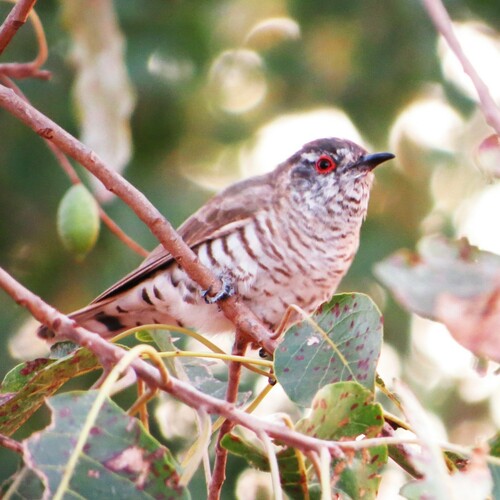 Little Bronze-Cuckoo
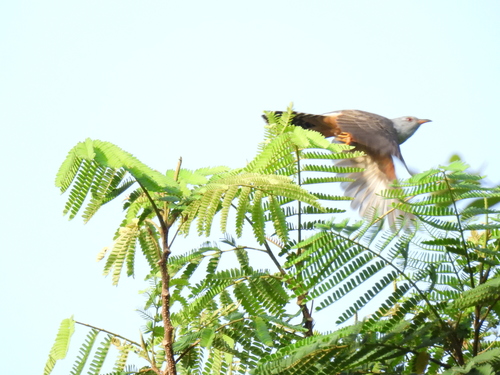 Plaintive Cuckoo
In breve
Il segno di campo più affidabile per separare il Little Bronze-Cuckoo dal Plaintive Cuckoo è la dimensione: il Little Bronze-Cuckoo è il cuculo più piccolo del mondo, estremamente compatto e snodato, mentre il Plaintive Cuckoo è notevolmente più grande e massiccio. Se vedi un cuculo molto piccolo, verde metallico con una macchia bianca dietro l'occhio e forti barre bianche sotto, è il Little Bronze-Cuckoo; un uccello più grande con parti inferiori arancioni e una testa grigia o rugginosa è il Plaintive. I giovani di entrambi possono essere confusi, ma il Little Bronze-Cuckoo rimane molto più piccolo e più bronzato sopra. La struttura e il modello della coda aiutano anche: il Little Bronze-Cuckoo è più delicato con una coda più lunga rispetto alla sua dimensione, mentre il Plaintive Cuckoo ha una coda più larga con punte bianche e un becco più robusto. È possibile una sovrapposizione degli habitat, ma il Plaintive Cuckoo si trova più spesso in boschi aperti e giardini, mentre il Little Bronze-Cuckoo preferisce vegetazione più densa.
Consigli di identificazione
- La dimensione è l'indizio più immediato: il Little Bronze-Cuckoo è piccolo (15–16 cm), molto più piccolo del Plaintive Cuckoo (21–24 cm). Se l'uccello sembra delle dimensioni di un passero, è il Little Bronze-Cuckoo.
- Struttura: il Little Bronze-Cuckoo è snodato con una coda proporzionalmente lunga e un becco fine; il Plaintive Cuckoo è più massiccio, con un becco più robusto e una coda più larga con punte bianche.
- Colore delle parti superiori: il Little Bronze-Cuckoo è verde-bronzo metallico sopra; il Plaintive Cuckoo è grigio-marrone (maschio) o rugginoso con barre scure (femmina epatica), mai metallico.
- Modello delle parti inferiori: il Little Bronze-Cuckoo è bianco con forti barre scure; il Plaintive Cuckoo è arancione sotto (maschio) o chiaro con barre deboli (femmina epatica), mai fortemente barrato di bianco.
- Modello della testa: il Little Bronze-Cuckoo ha una macchia bianca distintiva dietro l'occhio; il Plaintive Cuckoo può mostrare un sopracciglio chiaro (femmina epatica/giovanile) ma mai una macchia bianca sull'occhio.
- Modello della coda: la coda del Plaintive Cuckoo è larga con punte bianche e barre scure (soprattutto nella femmina epatica/giovanile); la coda del Little Bronze-Cuckoo è lunga e snodata, priva di forti punte bianche o barre a tutta lunghezza.
- Anello orbitale: il maschio del Little Bronze-Cuckoo ha un anello orbitale rosso, assente nel Plaintive Cuckoo.
- Confusione giovanile: il giovanile del Little Bronze-Cuckoo è più opaco ma ancora bronzato sopra e privo di forti striature sulla testa; il giovanile del Plaintive Cuckoo è rugginoso più chiaro con striature scure sulla corona e sulla gola e un supercilio chiaro.
- Stile di volo: il Little Bronze-Cuckoo è diretto e agile, spesso si muove attraverso la vegetazione densa; il Plaintive Cuckoo è meno rapido e più propenso a posarsi in aree aperte.
- Contesto dell'habitat: la vegetazione densa e intricata favorisce il Little Bronze-Cuckoo; boschi aperti, terreni agricoli o giardini suggeriscono il Plaintive Cuckoo.
- Vocalizzazione: il Plaintive Cuckoo emette fischi ripetuti e lamentosi; la voce del Little Bronze-Cuckoo non è descritta, quindi se senti il richiamo classico, è il Plaintive.
- Dimorfismo sessuale: le femmine del Plaintive Cuckoo sono variabili, con molte in una forma rugginosa 'epatica'—mai eguagliata dal Little Bronze-Cuckoo.
- Specie ospiti: se osservi il cuculo vicino a ospiti Geryone, potrebbe indicare il Little Bronze-Cuckoo, anche se questo non è sempre affidabile.
- Colore del becco: il Plaintive Cuckoo ha un mandibola superiore nera e una mandibola inferiore gialla; il becco del Little Bronze-Cuckoo non è descritto come bicolore.
- Aggredito da piccoli uccelli: il Plaintive Cuckoo è spesso aggredito in aree aperte, il che può aiutare nel contesto.
Taglia
Il Little Bronze-Cuckoo è notevolmente più piccolo, misurando solo 15–16 cm di lunghezza e pesando 14.5–17 g [wikipedia][avonet]. Il Plaintive Cuckoo è molto più grande, lungo 21–24 cm [wikipedia]. Anche a distanza, il divario di dimensione è ovvio se hai un riferimento. Il Little Bronze-Cuckoo non è solo più corto ma anche molto più snodato e leggero nella struttura, con una coda proporzionalmente più lunga. Il Plaintive Cuckoo appare più massiccio, con un corpo più profondo e un becco più pesante.
Piumaggio
-
Giovanili: I giovanili di entrambe le specie possono essere confusi, ma i giovanili del Little Bronze-Cuckoo sono versioni più opache degli adulti, prive di macchie laterali e con meno brillantezza complessiva. I giovanili del Plaintive Cuckoo assomigliano a femmine epatiche: marrone-rossiccio sopra con striature scure (non barre) sulla corona e sulla gola, più chiari sotto con barre deboli e un supercilio chiaro. La coda del giovanile del Plaintive Cuckoo è barrata e con punte bianche.
-
Maschi adulti: Il Little Bronze-Cuckoo è verde-bronzo metallico sopra, bianco sotto con forti barre scure, e una macchia bianca distintiva dietro l'occhio. I maschi adulti del Plaintive Cuckoo sono grigio-marrone sopra, arancioni sotto, con una testa grigia, gola e parte superiore del petto, e penne della coda con punte bianche. Nessuna lucentezza metallica o macchia bianca sull'occhio.
-
Femmine adulte: Le femmine del Little Bronze-Cuckoo sono simili ai maschi ma leggermente più grandi e prive dell'anello orbitale rosso. Le femmine del Plaintive Cuckoo sono variabili: alcune assomigliano ai maschi, ma molte sono in forma 'epatica'—ricche di ruggine sopra con barre scure, più chiare sotto con barre deboli, un sopracciglio chiaro e una coda fortemente barrata. Il Little Bronze-Cuckoo non mostra mai questa combinazione di ruggine/barre o sopracciglio chiaro.
-
In volo: Il Little Bronze-Cuckoo è descritto come diretto e veloce, con un aspetto snodato e con coda lunga. Il Plaintive Cuckoo è più massiccio, con una coda più larga e con punte bianche e parti superiori meno metalliche.
Comportamento
Il Little Bronze-Cuckoo è agile e veloce, muovendosi attraverso la vegetazione densa con un volo diretto e leggermente ondulato. È spesso difficile da individuare tranne quando si muove tra le coperture. Il Plaintive Cuckoo è solitamente solitario e segreto, ma frequenta habitat più aperti, posandosi in modo evidente a volte. Entrambi sono parassiti della covata, ma il Plaintive Cuckoo è più propenso a essere aggredito da piccoli uccelli in aree aperte. La dimensione più piccola e la struttura snodata del Little Bronze-Cuckoo rendono i suoi movimenti più delicati e rapidi.
Habitat
Il Little Bronze-Cuckoo preferisce vegetazione densa, comprese le aree boschive e i cespugli, ed è spesso associato a zone dove nidificano le sue specie ospiti Geryone. Il Plaintive Cuckoo è più un generalista dell'habitat, trovato ai margini delle foreste, in boschi aperti, cespugli, praterie, terreni agricoli, parchi e giardini. Se vedi un cuculo verde-bronzo in profondità nella vegetazione intricata, sospetta il Little Bronze-Cuckoo; un cuculo più grande in campagna aperta o giardini è più probabile sia il Plaintive.
Voce
Il Plaintive Cuckoo prende il nome dalla sua canzone: una serie di richiami lamentosi e fischianti—frasi ascendenti di tre note e serie discendenti più lunghe. La voce del Little Bronze-Cuckoo non è descritta nelle note, quindi la vocalizzazione è diagnostica principalmente per il Plaintive Cuckoo: se senti un fischio distintivo, ripetuto e lamentoso, è probabile che sia il Plaintive Cuckoo.
Little Bronze-Cuckoo · Plaintive Cuckoo · I miei uccelli difficili