

Cuclillo Menudo vs Cuco Plañidero
Chalcites minutillus frente a Cacomantis merulinus
Juega un quiz con Cuclillo Menudo y Cuco Plañidero
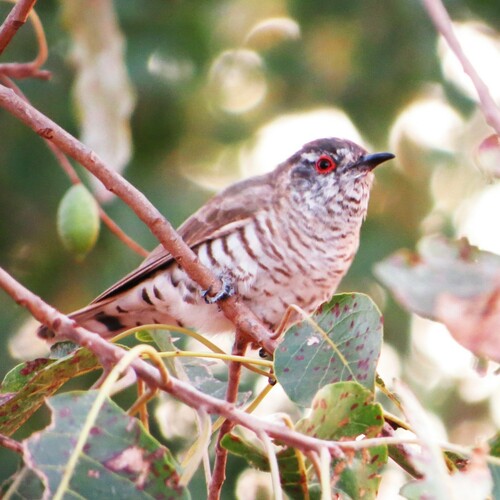 Cuclillo Menudo
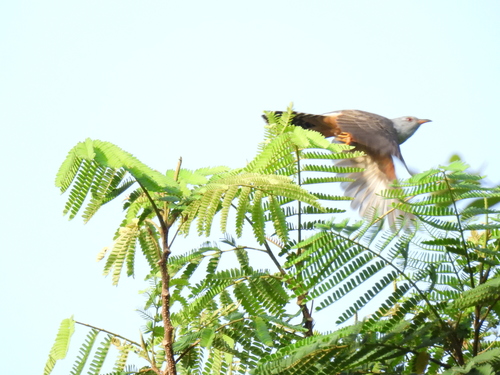 Cuco Plañidero
En breve
La marca de campo más confiable para separar el Cuclillo Menudo del Cuco Plañidero es el tamaño: el Cuclillo Menudo es el cuclillo más pequeño del mundo, extremadamente compacto y esbelto, mientras que el Cuco Plañidero es notablemente más grande y robusto. Si ves un cuclillo muy pequeño, de color verde metálico con una mancha blanca detrás del ojo y fuertes barras blancas debajo, es el Cuclillo Menudo; un ave más grande con partes inferiores naranjas y una cabeza gris o rufo es el Cuco Plañidero. Los juveniles de ambos pueden ser confusos, pero el Cuclillo Menudo se mantiene mucho más pequeño y más bronceado por encima. La estructura y el patrón de la cola también ayudan: el Cuclillo Menudo es más delicado con una cola más larga en relación a su tamaño, mientras que el Cuco Plañidero tiene una cola más ancha con puntas blancas y un pico más robusto. La superposición de hábitats es posible, pero el Cuco Plañidero se encuentra más a menudo en bosques abiertos y jardines, mientras que el Cuclillo Menudo prefiere vegetación más densa.
Consejos de identificación
- El tamaño es la pista más inmediata: El Cuclillo Menudo es diminuto (15–16 cm), mucho más pequeño que el Cuco Plañidero (21–24 cm). Si el ave parece del tamaño de un gorrión, es el Cuclillo Menudo.
- Estructura: El Cuclillo Menudo es esbelto con una cola proporcionalmente larga y un pico fino; el Cuco Plañidero es más robusto, con un pico más grueso y una cola más ancha con puntas blancas.
- Color de las partes superiores: El Cuclillo Menudo es de color verde bronce metálico por encima; el Cuco Plañidero es marrón grisáceo (macho) o rufo con barras oscuras (hembra hepática), nunca metálico.
- Patrón de las partes inferiores: El Cuclillo Menudo es blanco con fuertes barras oscuras; el Cuco Plañidero es naranja por debajo (macho) o pálido con barras tenues (hembra hepática), nunca con barras blancas fuertes.
- Patrón de la cabeza: El Cuclillo Menudo tiene una mancha blanca distintiva detrás del ojo; el Cuco Plañidero puede mostrar una ceja pálida (hembra hepática/juvenil) pero nunca una mancha blanca en el ojo.
- Patrón de la cola: La cola del Cuco Plañidero es ancha con puntas blancas y barras oscuras (especialmente en hembras hepáticas/juveniles); la cola del Cuclillo Menudo es larga y esbelta, careciendo de puntas blancas fuertes o barras a lo largo.
- Anillo orbital: El macho del Cuclillo Menudo tiene un anillo orbital rojo, ausente en el Cuco Plañidero.
- Confusión juvenil: El juvenil del Cuclillo Menudo es más apagado pero aún bronceado por encima y carece de rayas fuertes en la cabeza; el juvenil del Cuco Plañidero es más pálido rufo con rayas oscuras en la corona y la garganta y un supercilio pálido.
- Estilo de vuelo: El Cuclillo Menudo es directo y ágil, a menudo tejiendo a través de la densa vegetación; el Cuco Plañidero es menos rápido y más propenso a posarse en lugares abiertos.
- Contexto del hábitat: La vegetación densa y enredada favorece al Cuclillo Menudo; el bosque abierto, la agricultura o los jardines sugieren al Cuco Plañidero.
- Vocalización: El Cuco Plañidero emite silbidos repetidos y lastimeros; la voz del Cuclillo Menudo no está descrita, así que si escuchas el canto clásico, es el Cuco Plañidero.
- Dimorfismo sexual: Las hembras del Cuco Plañidero son variables, con muchas en un morfo rufo 'hepático', nunca igualado por el Cuclillo Menudo.
- Especies huésped: Si observas el cuclillo cerca de especies huésped de Geryone, puede indicar el Cuclillo Menudo, aunque esto no siempre es confiable.
- Color del pico: El Cuco Plañidero tiene un maxilar superior negro y un maxilar inferior amarillo; el pico del Cuclillo Menudo no está descrito como bicolor.
- Atacado por aves pequeñas: El Cuco Plañidero es a menudo atacado en áreas abiertas, lo que puede ayudar en el contexto.
Tamaño
El Cuclillo Menudo es dramáticamente más pequeño, midiendo solo 15–16 cm de longitud y pesando 14.5–17 g [wikipedia][avonet]. El Cuco Plañidero es mucho más grande, con 21–24 cm de largo [wikipedia]. Incluso a distancia, la diferencia de tamaño es obvia si tienes una referencia. El Cuclillo Menudo no solo es más corto, sino también mucho más delgado y ligero en su constitución, con una cola proporcionalmente más larga. El Cuco Plañidero parece más robusto, con un cuerpo más profundo y un pico más pesado.
Plumaje
-
Juveniles: Los juveniles de ambas especies pueden ser confusos, pero los juveniles del Cuclillo Menudo son versiones más apagadas de los adultos, careciendo de moteado en los flancos y con menos brillo en general. Los juveniles del Cuco Plañidero se asemejan a las hembras hepáticas: marrón rojizo por encima con rayas oscuras (no barras) en la corona y la garganta, más pálidos por debajo con barras tenues, y un supercilio pálido. La cola del juvenil del Cuco Plañidero está barrada y con puntas blancas.
-
Machos adultos: El Cuclillo Menudo es de color verde bronce metálico por encima, blanco por debajo con fuertes barras oscuras, y una mancha blanca distintiva detrás del ojo. Los machos adultos del Cuco Plañidero son marrón grisáceo por encima, naranja por debajo, con una cabeza gris, garganta y parte superior del pecho, y plumas de la cola con puntas blancas. Sin brillo metálico ni mancha blanca en el ojo.
-
Hembras adultas: Las hembras del Cuclillo Menudo son similares a los machos pero ligeramente más grandes y carecen del anillo orbital rojo. Las hembras del Cuco Plañidero son variables: algunas se asemejan a los machos, pero muchas están en morfo 'hepático', ricamente rufo por encima con barras oscuras, más pálidas por debajo con barras tenues, una ceja pálida, y una cola fuertemente barrada. El Cuclillo Menudo nunca muestra esta combinación de rufo/barras o ceja pálida.
-
En vuelo: El Cuclillo Menudo es descrito como directo y rápido, con un aspecto esbelto y de cola larga. El Cuco Plañidero es más robusto, con una cola más ancha y con puntas blancas y partes superiores menos metálicas.
Comportamiento
El Cuclillo Menudo es ágil y rápido, tejiendo a través de la densa vegetación con un vuelo directo y ligeramente ondulante. A menudo es difícil de detectar, excepto cuando se mueve entre la cobertura. El Cuco Plañidero suele ser solitario y secreto, pero frecuenta hábitats más abiertos, posándose de manera conspicua a veces. Ambos son parásitos de cría, pero el Cuco Plañidero es más propenso a ser atacado por aves pequeñas en áreas abiertas. El tamaño más pequeño y la constitución esbelta del Cuclillo Menudo hacen que sus movimientos sean más delicados y rápidos.
Hábitat
El Cuclillo Menudo prefiere vegetación densa, incluyendo bordes de bosques y matorrales, y a menudo se asocia con áreas donde anidan sus especies huésped de Geryone. El Cuco Plañidero es más un generalista de hábitat, encontrado en bordes de bosques, bosques abiertos, matorrales, praderas, tierras agrícolas, parques y jardines. Si ves un cuclillo verde bronceado en lo profundo de la vegetación enredada, sospecha del Cuclillo Menudo; un cuclillo más grande en campo abierto o jardines es más probable que sea el Cuco Plañidero.
Voz
El Cuco Plañidero recibe su nombre por su canto: una serie de llamadas lastimeras y silbantes—frases ascendentes de tres notas y series descendentes más largas. La voz del Cuclillo Menudo no está descrita en las notas, así que la vocalización es diagnóstica principalmente para el Cuco Plañidero: si escuchas un silbido distintivo, repetido y lastimero, es probable que sea el Cuco Plañidero.