

Large Hawk-Cuckoo vs Northern Hawk-Cuckoo
Hierococcyx sparverioides contro Hierococcyx hyperythrus
Fai un quiz con Large Hawk-Cuckoo e Northern Hawk-Cuckoo
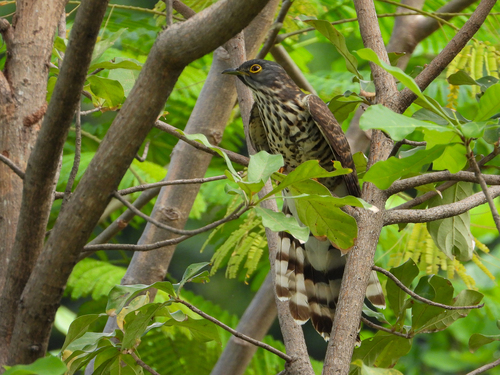 Large Hawk-Cuckoo
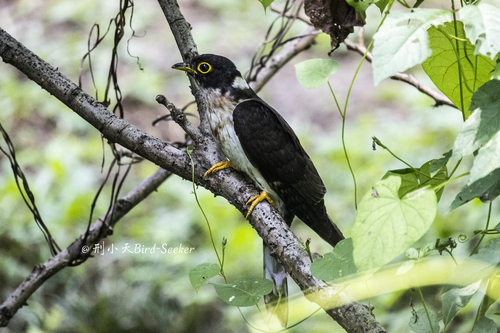 Northern Hawk-Cuckoo
In breve
Il segno distintivo più affidabile tra il Large Hawk-Cuckoo e il Northern Hawk-Cuckoo è la presenza di una distintiva macchia bianca sulle ali ripiegate del Northern Hawk-Cuckoo, visibile quando è posato e in volo, specialmente nei giovani e nei subadulti. Il Large Hawk-Cuckoo manca completamente di questa macchia bianca. Il giovane Northern Hawk-Cuckoo mostra anche una corona marrone con macchie bianche sul nape e parti inferiori striate, mentre i giovani del Large Hawk-Cuckoo sono meno ben descritti ma non mostrano questa combinazione. Strutturalmente, il Northern Hawk-Cuckoo è leggermente più piccolo e snello, ma questo è sottile sul campo. Entrambe le specie possono essere confuse a causa della forma e colorazione simili a quelle dei falchi, ma un'attenta attenzione al modello delle ali e al colore delle parti inferiori le separerà.
Consigli di identificazione
- White wing patch (Northern only): Cerca una macchia bianca audace sull'ala ripiegata quando è posato, o come un lampo in volo. Questa è presente in tutte le età del Northern Hawk-Cuckoo e assente nel Large Hawk-Cuckoo.
- Juvenile pattern (Northern): Il giovane Northern Hawk-Cuckoo mostra una corona marrone con macchie bianche sul nape, strisce marroni/rufous sulla schiena e parti inferiori bianche con strisce e macchie nere. I giovani del Large Hawk-Cuckoo non sono descritti con queste caratteristiche.
- Rufous underparts (Northern): Gli adulti e i subadulti del Northern Hawk-Cuckoo hanno ampie parti inferiori rosso ruggine, che si fondono dalle guance inferiori in giù. Il Large Hawk-Cuckoo manca di questo lavaggio rosso ruggine complessivo.
- Black chin patch (Large only): L'adulto Large Hawk-Cuckoo ha una distintiva macchia nera sul mento, che non è presente nel Northern Hawk-Cuckoo di alcuna età.
- Tail pattern: Entrambi hanno code a bande, ma la coda del Northern Hawk-Cuckoo termina con una grande banda subterminale nera e una punta rufous, mentre il modello della coda del Large Hawk-Cuckoo è meno distintamente descritto qui.
- Eyering and iris color: Il Northern Hawk-Cuckoo ha un anello oculare giallo con colore dell'iride variabile (arancione, marrone o bianco), ma questo non è descritto per il Large Hawk-Cuckoo e potrebbe non essere affidabile a distanza.
- Bill color: Il Northern Hawk-Cuckoo ha una base gialla al becco con una punta nera; i dettagli del becco per il Large Hawk-Cuckoo non sono forniti.
- Under tail coverts: Il Northern Hawk-Cuckoo mostra copritrici bianche sotto la coda; questo non è specificato per il Large Hawk-Cuckoo.
- Size: Il Large Hawk-Cuckoo è leggermente più grande e pesante, ma questo è sottile e non sempre utile a meno che entrambi non siano visti insieme.
- Perching height: Il Northern Hawk-Cuckoo è più probabile che venga visto posato in alto nella chioma, rendendo spesso difficile l'osservazione.
- Range: Nell'estremo oriente asiatico (Giappone, Corea, Cina orientale), il Northern Hawk-Cuckoo è più probabile, ma il Large Hawk-Cuckoo può sovrapporsi in Est Asia. Usa l'areale solo come contesto di supporto.
- Voice: Il richiamo del Large Hawk-Cuckoo è forte e ripetitivo ma non sale in crescendo. Il canto del Northern Hawk-Cuckoo è diverso ma non descritto qui; usa con cautela.
- Season: Entrambi sono migratori, ma il Northern Hawk-Cuckoo sverna più a sud (Borneo). Il tempismo può aiutare ma non è diagnostico da solo.
- Confusion with Common Hawk-Cuckoo: Il Large Hawk-Cuckoo è più grande e ha una macchia nera sul mento, mentre il Northern Hawk-Cuckoo è più rufous e ha la macchia bianca sulle ali.
- When in doubt: La combinazione di macchia bianca sulle ali (Northern), macchia nera sul mento (Large), e colore delle parti inferiori sono i segni distintivi più affidabili. I giovani sono meglio separati dalla macchia bianca sulle ali e dalle parti inferiori striate nel Northern.
Taglia
Il Northern Hawk-Cuckoo è leggermente più piccolo e leggero del Large Hawk-Cuckoo, con una massa corporea registrata di 120g. Sebbene le misurazioni esatte per il Large Hawk-Cuckoo non siano fornite qui, è descritto come 'leggermente più grande' dei suoi congenere. Sul campo, questa differenza è sottile e non sempre affidabile a meno che entrambe le specie non siano viste insieme. Entrambi hanno un profilo snello e con coda lunga tipico dei cuculi-falco.
Piumaggio
- Juvenile and Subadult Northern Hawk-Cuckoo: Mostra una prominente macchia bianca sulle piume di volo interne, visibile come un pannello sull'ala ripiegata quando è posato e in volo. I giovani hanno una corona marrone con macchie bianche sul nape, strisce marroni e rufous sulla schiena, e parti inferiori bianche con strisce e macchie nere. La coda è a bande e punta rufous. I subadulti mantengono la macchia bianca sulle ali e hanno strisce e macchie nere irregolari sui fianchi e sul petto, con un po' di rufous sulla parte bassa della schiena.
- Adult Northern Hawk-Cuckoo: Testa, schiena e ali grigio ardesia, parti inferiori rosso ruggine, gola bianca e mento grigio, anello oculare giallo e una copertura bianca sotto la coda. La macchia bianca sulle ali rimane visibile. La coda è a bande con bande nere strette e bande chiare larghe, terminando con una grande banda subterminale nera e punta rufous.
- Large Hawk-Cuckoo (all ages): Manca completamente della macchia bianca sulle ali. Gli adulti hanno una macchia nera sul mento, che è assente nel Northern Hawk-Cuckoo. Le parti inferiori non sono descritte come rosso ruggine, e la colorazione complessiva è meno rufous rispetto al Northern Hawk-Cuckoo. La piumaggio giovanile non è dettagliato, ma non si fa menzione di una macchia bianca sulle ali o del modello distintivo giovanile del Northern Hawk-Cuckoo.
- Key contrast: La macchia bianca sulle ali (solo Northern), le parti inferiori rosso ruggine (Northern) e la macchia nera sul mento (solo Large, adulto) sono le caratteristiche di piumaggio più diagnostiche.
Comportamento
Il Northern Hawk-Cuckoo è descritto come elusivo e tende a posarsi in alto nelle chiome degli alberi alti, rendendo difficile l'osservazione diretta. Entrambe le specie sono parassiti della covata e condividono un comportamento di volo e posato simile a quello dei falchi. Non si fa menzione di differenze comportamentali nello stile di volo o nella ricerca di cibo che separerebbero affidabilmente sul campo.
Habitat
Il Large Hawk-Cuckoo nidifica lungo l'Himalaya e l'Asia temperata, estendendosi all'Est Asia, e sverna più a sud. Il Northern Hawk-Cuckoo si trova nella Cina orientale, in Corea, nell'estremo oriente russo e in Giappone, svernando a Borneo. Sebbene gli areali si sovrappongano in Est Asia, il Northern Hawk-Cuckoo è considerato raro e più elusivo, spesso in chiome più alte. L'habitat da solo non è diagnostico dove gli areali si sovrappongono, ma il Northern è più probabile nelle regioni dell'estremo oriente e a posatoi più alti.
Voce
Il Large Hawk-Cuckoo emette richiami forti e ripetitivi simili a quelli del Common Hawk-Cuckoo ma senza un crescendo crescente. Non viene fornita qui una descrizione vocale specifica per il Northern Hawk-Cuckoo, ma si nota che le differenze nel canto erano parte della divisione tassonomica. Sul campo, le vocalizzazioni possono aiutare, ma senza una chiara descrizione per il Northern, questo non è un punto di separazione primario.
Large Hawk-Cuckoo · Northern Hawk-Cuckoo · I miei uccelli difficili