
Albanella reale vs Sparviere
Circus cyaneus contro Accipiter nisus
Fai un quiz con Albanella reale e Sparviere
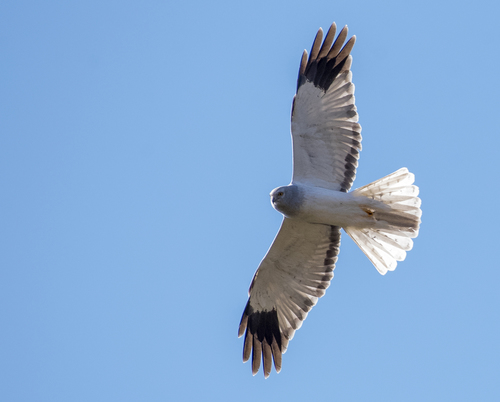 Albanella reale
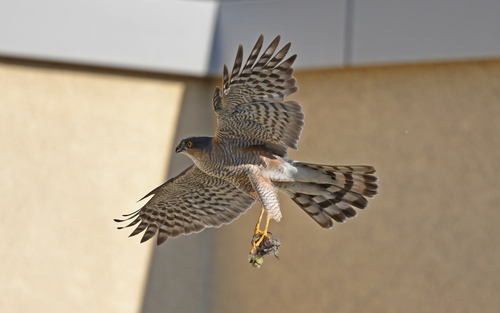 Sparviere
In breve
Il segno distintivo più affidabile è la combinazione di struttura e stile di volo: l'Albanella reale mostra ali e coda lunghe e slanciate con un volo distintivo, basso e galleggiante, mentre il Sparviere è compatto, con ali corte e larghe e una coda a punta quadrata, volando con sequenze rapide di battiti-battiti-planata. Gli esemplari giovani e femmina di Albanella reale ('ringtails') possono essere confusi con i Sparvieri femmina/giovani, ma il sottocoda bianco dell'albanella e le proporzioni più lunghe sono fondamentali. Negli uccelli in posa, notare le gambe più lunghe dell'albanella e la postura più eretta rispetto alla postura tozza e orizzontale del sparviere. Entrambe le specie mostrano dimorfismo sessuale, ma l'albanella è sempre molto più grande e con ali più lunghe.
Consigli di identificazione
- White rump patch (all ages/sexes): Solo l'Albanella reale mostra un sottocoda bianco brillante, visibile in volo e spesso quando è in posa. Il sparviere non ha mai un sottocoda bianco.
- Wing shape in flight: L'Albanella reale ha ali lunghe e slanciate tenute in una V poco profonda, dando un volo galleggiante e planante. Le ali del sparviere sono corte, larghe e arrotondate, con un modello di battiti-battiti-planata rapido e un volo più ondulato.
- Tail shape and length: La coda dell'Albanella reale è lunga e spesso appare arrotondata o leggermente a forma di cuneo in volo. La coda del sparviere è lunga ma più a punta quadrata e appare più corta rispetto al corpo.
- Size: L'Albanella reale è molto più grande e con ali più lunghe rispetto al sparviere. Anche i Sparvieri femmina (i più grandi) sono più piccoli e più compatti rispetto ai maschi di Albanella reale (i più piccoli).
- Perched posture: L'Albanella reale sta eretta e con gambe lunghe, spesso a terra o su posatoi bassi in campagna aperta. Il sparviere si posa più orizzontalmente, con una struttura compatta e tozza, spesso sugli alberi o sulle recinzioni.
- Plumage – adult males: Il maschio di Albanella reale è grigio chiaro sopra, bianco sotto con punte nere alle ali e sottocoda bianco. Il maschio di sparviere è grigio-blu sopra con parti inferiori a barre arancioni e senza sottocoda bianco.
- Plumage – females/juveniles: Sia l'Albanella reale femmina/giovane che il sparviere sono marroni sopra e a barre sotto, ma solo l'Albanella reale ha il sottocoda bianco. I Sparvieri giovani hanno bordi rugginosi e una gola striata.
- Facial disc: L'Albanella reale ha un sottile disco facciale simile a un gufo, più visibile da vicino, che aiuta nella caccia per suono. Il sparviere non ha questa caratteristica.
- Flight behavior: L'Albanella reale vola basso su terreni aperti, spesso planando per lunghi tratti. Il sparviere si muove rapidamente tra gli alberi o attraverso spazi aperti con un volo rapido e diretto e frequenti planate.
- Habitat context: L'Albanella reale si trova in paesaggi aperti (moor, paludi, praterie); il sparviere preferisce boschi, parchi e giardini, raramente cacciando lontano da ripari.
- Vocalizations: L'Albanella reale è più probabile che venga sentita chiamare su terreni aperti, specialmente durante passaggi di cibo o esibizioni. Il sparviere è generalmente più silenzioso.
- Bill and legs: Il sparviere ha un becco piccolo per strappare gli uccelli e lunghe dita per afferrare, ma questi sono raramente diagnostici a distanze di campo rispetto alla struttura complessiva.
- Sexual dimorphism: Entrambe le specie mostrano forti differenze sessuali, ma questo di solito non causa confusione tra le specie: concentrarsi su struttura e patch di sottocoda.
- Common pitfalls: L'Albanella reale giovane/femmina ('ringtail') è la fonte più frequente di confusione con il sparviere femmina/giovane. Controllare sempre il sottocoda bianco e la dimensione/forma complessiva.
- When marks fail: In scarsa illuminazione o viste distanti, la struttura e lo stile di volo sono spesso più affidabili della livrea. Se vedi un rapace planare basso su terreni aperti con un sottocoda bianco, è un'Albanella reale; se sta sfrecciando tra gli alberi o nei giardini senza un sottocoda bianco, è un sparviere.
Taglia
L'Albanella reale è sostanzialmente più grande e con ali più lunghe: la massa corporea media è di 436,5 g contro 220 g per il Sparviere [wikidata]. L'apertura alare dell'Albanella reale (97–122 cm) e la lunghezza (41–52 cm) superano di gran lunga quelle del sparviere (apertura alare di 59–80 cm, lunghezza di 29–41 cm) [wikipedia]. Anche la femmina di sparviere più grande è più piccola e più compatta rispetto al maschio di Albanella reale più piccolo. Sul campo, l'Albanella reale appare slanciata e snella, mentre il sparviere è visibilmente più piccolo, più compatto e con ali larghe.
Piumaggio
- Juvenile/immature/female Albanella reale ('ringtail'): Marrone sopra, beige sotto con barre marroni, e mostra sempre una patch di sottocoda bianco evidente in tutte le età e sessi. I giovani hanno barre meno distinte e secondarie di colore marrone scuro. Il sottocoda bianco è diagnostico in volo e spesso visibile quando è in posa.
- Juvenile/female Sparviere: Marrone sopra, a barre o macchiettato marrone sotto, ma privo di sottocoda bianco. I giovani hanno bordi rugginosi sulle parti superiori e parti inferiori grossolanamente a barre, con occhi giallo pallido e una gola striata (senza striscia centrale). Le femmine adulte sono marroni o grigio-marroni sopra con parti inferiori a barre marroni, ma ancora, senza sottocoda bianco.
- Adult male Albanella reale: Grigio chiaro sopra, bianco sotto con petto superiore grigio, punte nere alle ali e sottocoda bianco.
- Adult male Sparviere: Grigio-blu sopra, parti inferiori a barre arancioni, occhi arancione-giallo a arancione-rossi. Nessun sottocoda bianco, e le ali sono corte e larghe, non lunghe e appuntite.
- Key contrast: Solo l'Albanella reale (tutte le età/sessi) mostra una patch di sottocoda bianco. Il sparviere non lo fa mai. La forma dell'ala in volo è anche distintiva: le lunghe e strette ali dell'albanella rispetto alle ali corte e arrotondate del sparviere.
Comportamento
L'Albanella reale caccia volando basso su terreni aperti, con le ali tenute in una V poco profonda, planando in modo galleggiante e spesso circolando mentre ascolta e cerca prede. È vocale mentre caccia e utilizza il suo disco facciale simile a un gufo per un udito migliorato. Il Sparviere è adattato alla caccia nei boschi, utilizzando un volo rapido e agile con rapidi scatti e planate per inseguire piccoli uccelli tra gli alberi. In volo, il sparviere mostra un caratteristico modello di battiti-battiti-planata, spesso ondulato, ed è meno probabile che venga visto planare basso su terreni aperti per lunghi periodi. Quando è in posa, l'Albanella reale sta più eretta e con gambe lunghe; il sparviere è più orizzontale e compatto.
Habitat
L'Albanella reale nidifica e caccia in habitat aperti: paludi, praterie, moor, torbiere e terreni agricoli. È raramente trovata in boschi densi. Il Sparviere è uno specialista del bosco, spesso visto in o vicino a foreste, parchi e giardini, ma può anche cacciare in aree aperte vicino a ripari. Se vedi un rapace volare su un moor aperto, è molto più probabile che sia un'Albanella reale; un rapace che sfreccia tra gli alberi o appare in giardini suburbani è quasi sempre un sparviere.
Voce
L'Albanella reale è notevolmente più vocale in volo, con le femmine che emettono un fischio 'piih-eh' quando ricevono cibo e un rapido 'chit-it-it-it-it-et-it' come richiamo di allerta; i maschi emettono un 'chek-chek-chek' e un rimbalzo 'chuk-uk-uk-uk' in esibizione. I richiami del sparviere non sono descritti in dettaglio nelle note, ma sono generalmente meno vocali e meno probabili da sentire in campagna aperta.