
Aguilucho Pálido vs Gavilán Común
Circus cyaneus frente a Accipiter nisus
Juega un quiz con Aguilucho Pálido y Gavilán Común
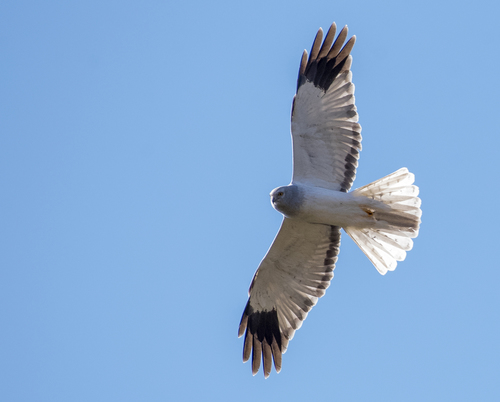 Aguilucho Pálido
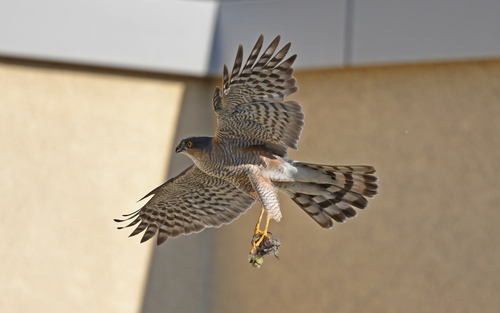 Gavilán Común
En breve
La marca de campo más confiable es la combinación de estructura y estilo de vuelo: el Aguilucho Pálido muestra alas y cola largas y delgadas con un vuelo distintivo bajo y flotante, mientras que el Gavilán Común es compacto, con alas cortas y anchas y una cola cuadrada, volando con secuencias rápidas de aleteo-deslizamiento. Los Aguiluchos Pálidos juveniles y hembras ('ringtails') pueden confundirse con los Gavilán Común hembras/juveniles, pero la rabadilla blanca del aguilucho y sus proporciones más largas son clave. En aves posadas, note las patas más largas del aguilucho y su postura más erguida en comparación con la postura robusta y horizontal del gavilán. Ambas especies muestran dimorfismo sexual, pero el aguilucho es siempre mucho más grande y con alas más largas.
Consejos de identificación
- Parche de rabadilla blanca (todas las edades/sexes): Solo el Aguilucho Pálido muestra una rabadilla blanca brillante, visible en vuelo y a menudo cuando está posado. El Gavilán Común nunca tiene una rabadilla blanca.
- Forma del ala en vuelo: El Aguilucho Pálido tiene alas largas y delgadas sostenidas en una V poco profunda, lo que le da un vuelo flotante y deslizante. Las alas del Gavilán Común son cortas, anchas y redondeadas, con un patrón rápido de aleteo-deslizamiento y un vuelo más ondulante.
- Forma y longitud de la cola: La cola del Aguilucho Pálido es larga y a menudo parece redondeada o ligeramente en forma de cuña en vuelo. La cola del Gavilán Común es larga pero más cuadrada y parece más corta en relación con el cuerpo.
- Tamaño: El Aguilucho Pálido es mucho más grande y con alas más largas que el Gavilán Común. Incluso las hembras de Gavilán Común (las más grandes) son más pequeñas y compactas que los machos de Aguilucho Pálido (los más pequeños).
- Postura posada: El Aguilucho Pálido se mantiene erguido y con patas largas, a menudo en el suelo o en perchas bajas en campo abierto. El Gavilán Común se posa más horizontalmente, con una construcción compacta y robusta, a menudo en árboles o en cercas.
- Plumaje – machos adultos: El macho de Aguilucho Pálido es de un gris pálido por encima, blanco por debajo con puntas de alas negras y rabadilla blanca. El macho de Gavilán Común es de un gris azulado por encima con partes inferiores barradas de naranja y sin rabadilla blanca.
- Plumaje – hembras/juveniles: Tanto el Aguilucho Pálido hembra/juvenil como el Gavilán Común son marrones por encima y barrados por debajo, pero solo el Aguilucho Pálido tiene la rabadilla blanca. Los juveniles de Gavilán Común tienen bordes oxidados y una garganta rayada.
- Disco facial: El Aguilucho Pálido tiene un sutil disco facial similar al de un búho, más visible a corta distancia, que ayuda en la caza por sonido. El Gavilán Común carece de esta característica.
- Comportamiento de vuelo: El Aguilucho Pálido vuela bajo sobre terreno abierto, a menudo deslizándose durante largos tramos. El Gavilán Común se lanza a través de árboles o espacios abiertos con un vuelo rápido y directo y deslizamientos frecuentes.
- Contexto de hábitat: El Aguilucho Pálido se encuentra en paisajes abiertos (brezales, pantanos, praderas); el Gavilán Común prefiere bosques, parques y jardines, rara vez cazando lejos de la cobertura.
- Vocalizaciones: Es más probable que se escuche al Aguilucho Pálido llamando sobre terreno abierto, especialmente durante pasadas de alimento o exhibiciones. El Gavilán Común es generalmente más silencioso.
- Pico y patas: El Gavilán Común tiene un pico pequeño para atrapar aves y dedos largos para agarrar, pero estos rara vez son diagnósticos a distancias de campo en comparación con la estructura general.
- Dimorfismo sexual: Ambas especies muestran fuertes diferencias sexuales, pero esto no suele causar confusión entre especies; enfóquese en la estructura y el parche de rabadilla.
- Trampas comunes: El Aguilucho Pálido juvenil/hembra ('ringtail') es la fuente más frecuente de confusión con el Gavilán Común hembra/juvenil. Siempre verifique la rabadilla blanca y el tamaño/forma general.
- Cuando las marcas fallan: En condiciones de poca luz o vistas distantes, la estructura y el estilo de vuelo son a menudo más confiables que el plumaje. Si ve un ave rapaz deslizándose bajo sobre terreno abierto con una rabadilla blanca, es un Aguilucho Pálido; si se lanza a través de árboles o jardines sin una rabadilla blanca, es un Gavilán Común.
Tamaño
El Aguilucho Pálido es sustancialmente más grande y con alas más largas: la masa corporal promedio es de 436.5g frente a 220g para el Gavilán Común [wikidata]. La envergadura del Aguilucho Pálido (97–122 cm) y la longitud (41–52 cm) superan con creces las del Gavilán Común (envergadura de 59–80 cm, longitud de 29–41 cm) [wikipedia]. Incluso la hembra de Gavilán Común más grande es más pequeña y compacta que el macho de Aguilucho Pálido más pequeño. En el campo, el Aguilucho Pálido parece delgado y esbelto, mientras que el Gavilán Común es notablemente más pequeño, más compacto y con alas anchas.
Plumaje
- Juvenil/inmaduro/hembra Aguilucho Pálido ('ringtail'): Marrón por encima, beige por debajo con barrado marrón, y siempre muestra un parche de rabadilla blanca conspicuo en todas las edades y sexos. Los juveniles tienen un barrado menos distintivo y secundarias de color marrón oscuro. La rabadilla blanca es diagnóstica en vuelo y a menudo visible cuando está posado.
- Juvenil/hembra Gavilán Común: Marrón por encima, barrado o moteado marrón por debajo, pero carece de la rabadilla blanca. Los juveniles tienen bordes oxidados en las partes superiores y partes inferiores gruesamente barradas, con ojos de color amarillo pálido y una garganta rayada (sin franja central). Las hembras adultas son marrones o marrón grisáceo por encima con partes inferiores barradas de marrón, pero nuevamente, sin rabadilla blanca.
- Macho adulto Aguilucho Pálido: Gris pálido por encima, blanco por debajo con el pecho superior gris, puntas de alas negras y rabadilla blanca.
- Macho adulto Gavilán Común: Gris azulado por encima, partes inferiores barradas de naranja, ojos de color naranja-amarillo a naranja-rojo. Sin rabadilla blanca, y las alas son cortas y anchas, no largas y puntiagudas.
- Contraste clave: Solo el Aguilucho Pálido (todas las edades/sexes) muestra un parche de rabadilla blanca. El Gavilán Común nunca lo hace. La forma del ala en vuelo también es distintiva: alas largas y estrechas del aguilucho frente a las alas cortas y redondeadas del gavilán.
Comportamiento
El Aguilucho Pálido caza volando bajo sobre terreno abierto, con las alas sostenidas en una V poco profunda, deslizándose de manera flotante y a menudo girando mientras escucha y busca presas. Es vocal mientras caza y utiliza su disco facial similar al de un búho para mejorar la audición. El Gavilán Común está adaptado para cazar en bosques, utilizando un vuelo rápido y ágil con ráfagas rápidas y deslizamientos para perseguir pequeñas aves a través de los árboles. En vuelo, el Gavilán Común muestra un patrón característico de aleteo-deslizamiento, a menudo ondulante, y es menos probable que se le vea deslizándose bajo sobre terreno abierto durante largos períodos. Cuando está posado, el Aguilucho Pálido se mantiene más erguido y con patas largas; el Gavilán Común es más horizontal y compacto.
Hábitat
El Aguilucho Pálido cría y caza en hábitats abiertos: pantanos, praderas, brezales, turberas y tierras agrícolas. Rara vez se encuentra en bosques densos. El Gavilán Común es un especialista de los bosques, a menudo visto en o cerca de bosques, parques y jardines, pero también puede cazar en áreas abiertas cerca de la cobertura. Si ve un ave rapaz volando en un brezal abierto, es mucho más probable que sea un Aguilucho Pálido; una ave rapaz lanzándose a través de árboles o apareciendo en jardines suburbanos es casi siempre un Gavilán Común.
Voz
El Aguilucho Pálido es notablemente más vocal en vuelo, con hembras emitiendo un silbido 'piih-eh' al recibir alimento y un rápido 'chit-it-it-it-it-et-it' como llamada de alarma; los machos emiten un 'chek-chek-chek' y un rebotante 'chuk-uk-uk-uk' en exhibición. Las llamadas del Gavilán Común no se describen en detalle en las notas, pero son generalmente menos vocales y menos propensas a ser escuchadas en campo abierto.