
Gray Hawk vs Broad-winged Hawk
Buteo plagiatus contro Buteo platypterus
Fai un quiz con Gray Hawk e Broad-winged Hawk
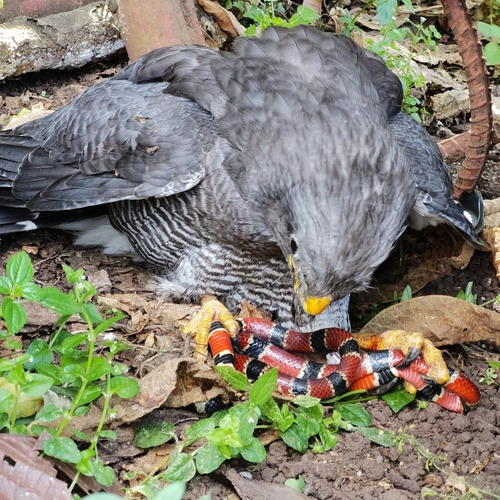 Gray Hawk
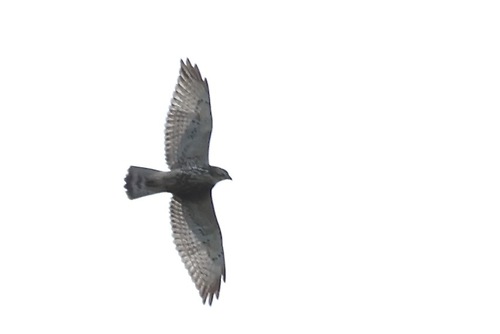 Broad-winged Hawk
In breve
I giovani Grey Hawks mostrano strisce facciali audaci e copritrici superiori della coda bianche, mentre i giovani Broad-winged Hawks mancano di queste caratteristiche e hanno invece più barre longitudinali sotto. Negli adulti, i Grey Hawks sono lisci, di un grigio pallido sopra con una coda distintamente a bande bianche e nere, mentre i Broad-winged Hawks sono marroni sopra con un ventre bianco e barre orizzontali. I Grey Hawks hanno una coda più lunga e ali più corte, dando loro un profilo di volo diverso rispetto al più compatto e ampio Broad-winged Hawk. Entrambe le specie sono piccoli Buteos, ma la loro struttura, il modello della coda e il piumaggio giovanile sono i segni di campo più affidabili per la separazione.
Consigli di identificazione
- Modello facciale giovanile: I giovani Grey Hawks hanno strisce facciali audaci e ovvie e copritrici superiori della coda bianche—cerca questi in uccelli posati o in volo. I giovani Broad-winged Hawks mancano di queste strisce facciali e non mostrano copritrici superiori della coda bianche.
- Parte inferiore giovanile: I giovani Grey Hawks hanno parti inferiori striate o macchiate, mentre i giovani Broad-winged Hawks mostrano più barre longitudinali (verticali) sotto.
- Parte superiore adulta: Gli adulti Grey Hawks sono lisci, di un grigio pallido sopra, con poco o nessun modello. I Broad-winged Hawks sono marroni scuri sopra.
- Modello della coda (adulto): Gli adulti Grey Hawks hanno una coda nera con tre bande bianche (una più larga), sempre con una punta bianca. Gli adulti Broad-winged Hawks hanno una coda grigio-nera scura con linee bianche al centro, alla base e alla punta, ma queste sono meno nettamente definite rispetto a quelle del Gray Hawk.
- Lunghezza e forma della coda: Il Gray Hawk ha una coda più lunga rispetto al suo corpo e ali più corte, dando un profilo più simile a un accipiter in volo. Il Broad-winged Hawk ha una coda più corta e ali più larghe e appuntite, risultando in un aspetto compatto e ampio.
- Forma dell'ala in volo: Le ali del Gray Hawk sono larghe ma relativamente corte, e la lunga coda è evidente. Le ali del Broad-winged Hawk sono larghe e appuntite, con un aspetto affusolato unico tra i Buteos.
- Parte inferiore adulta: Gli adulti Grey Hawks sono grigio pallido e bianchi sotto, con barre minime. Gli adulti Broad-winged Hawks hanno un ventre e un petto bianchi con barre orizzontali.
- Morphs: Solo il Broad-winged Hawk mostra morphs chiari e rari morphs scuri; il Gray Hawk non ha tale variazione.
- Colore delle gambe: Gli adulti Grey Hawks hanno gambe arancioni o gialle; il colore delle gambe non è diagnostico per il Broad-winged Hawk nelle note.
- Aspetto posato: Il Gray Hawk appare spesso più snello e con una coda più lunga quando è posato, mentre il Broad-winged Hawk è più compatto.
- Stile di volo: Il Gray Hawk è agile e veloce, spesso cacciando da un posatoio o con voli rapidi, simili a quelli di un accipiter. Il Broad-winged Hawk è più propenso a planare su termiche con planate stabili e ampie.
- Contesto dell'habitat: In campagna aperta o al margine della foresta nel sud-ovest degli Stati Uniti o in America Centrale, sospetta il Gray Hawk. Nelle foreste orientali o durante la migrazione, specialmente in grandi stormi in volo, sospetta il Broad-winged Hawk.
- Voce: Se sentito, un 'kleee-ooo' acuto supporta il Gray Hawk, ma la mancanza di vocalizzazione non è diagnostica.
- Dimensione: Il Gray Hawk è leggermente più grande e con una coda più lunga, ma la dimensione da sola non è affidabile a causa della sovrapposizione e della variazione.
- Differenze sessuali: Entrambe le specie mostrano poco dimorfismo sessuale nel piumaggio; le femmine sono leggermente più grandi nel Broad-winged Hawk, ma questo non è utile sul campo.
Taglia
Il Gray Hawk è leggermente più grande nel complesso, con una lunghezza media di 46–61 cm (18–24 in) e un peso di circa 475 g (16.8 oz) [wikipedia]. Il Broad-winged Hawk è più piccolo, con una lunghezza di 32–44 cm (13–17 in) e un peso di 265–560 g (9.3–19.8 oz) [wikipedia]. Il Gray Hawk ha una coda più lunga e ali relativamente più corte, mentre il Broad-winged Hawk ha una coda più corta e ali più larghe e appuntite. L'apertura alare del Broad-winged Hawk (74–100 cm) può sovrapporsi con quella del Gray Hawk, ma la coda più lunga del Gray Hawk è distintiva.
Piumaggio
-
Giovane/immaturo: I giovani Grey Hawks hanno un lato superiore marrone scuro, copritrici superiori della coda bianche audaci e strisce facciali molto evidenti. Le loro parti inferiori sono striate o macchiate, e la coda mostra numerose bande scure. I giovani Broad-winged Hawks sono marroni sopra ma mancano di strisce facciali audaci e copritrici superiori della coda bianche; le loro parti inferiori mostrano più barre longitudinali (verticali) piuttosto che le strisce/macchie dei giovani Grey Hawks.
-
Adulto: Gli adulti Grey Hawks sono lisci, di un grigio pallido sopra con un sottocoda di grigio più chiaro e bianco. La loro coda è nera con tre bande bianche (una più larga), sempre terminando con una punta bianca. Gli adulti Broad-winged Hawks sono marroni scuri sopra, con un ventre e un petto bianchi caratterizzati da barre orizzontali. La loro coda è grigio-nera scura con linee bianche al centro, alla base e alla punta, ma il modello è meno nitido rispetto alle audaci bande bianche e nere del Gray Hawk.
-
Morphs: Il Broad-winged Hawk ha sia morphs chiari che rari morphs scuri. Il Gray Hawk non mostra tale variazione.
Comportamento
Il Gray Hawk tipicamente caccia da un posatoio alto e aperto, tuffandosi sul preda, ma può anche cacciare da un volo basso. Il suo volo è agile e veloce per un Buteo, facilitato dalle sue ali corte e dalla lunga coda. Il Broad-winged Hawk è più propenso a planare su termiche con ali ampie e appuntite e una silhouette compatta, specialmente durante la migrazione. Entrambe le specie possono posarsi sugli alberi, ma lo stile di caccia del Gray Hawk è più simile a quello di un accipiter, mentre il Broad-winged Hawk è più tipico dei Buteos nel suo planare e scivolare.
Habitat
Il Gray Hawk si trova in campagna aperta e ai margini delle foreste, specialmente nel sud-ovest degli Stati Uniti fino all'America Centrale. Il Broad-winged Hawk nidifica nell'est del Nord America, preferendo foreste decidue o miste, e migra verso l'America Centrale e Meridionale per l'inverno. È possibile una sovrapposizione nei luoghi di migrazione o di svernamento, ma il Gray Hawk è più legato a habitat aperti e ai margini, mentre il Broad-winged Hawk è più associato alle foreste.
Voce
Il Gray Hawk emette un 'kleee-ooo' acuto e fischiante. Il richiamo del Broad-winged Hawk non è descritto nelle note fornite, quindi la vocalizzazione non è affidabilmente diagnostica qui.