

Piro piro culbianco vs Piro piro boschereccio
Tringa ochropus contro Tringa glareola
Fai un quiz con Piro piro culbianco e Piro piro boschereccio
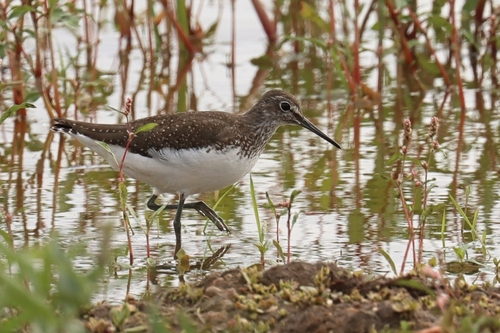 Piro piro culbianco
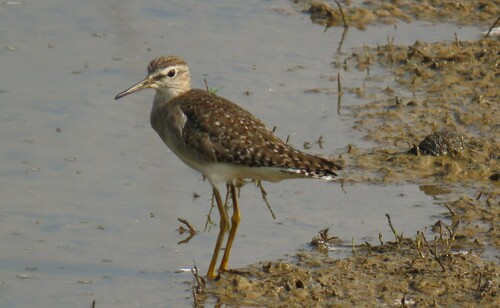 Piro piro boschereccio
In breve
Il segno distintivo più affidabile per separare il Piro piro culbianco dal Piro piro boschereccio è il motivo del sopraccoda in volo: il Piro piro culbianco mostra un grande sopraccoda bianco brillante che spicca contro ali altrimenti scure, mentre il Piro piro boschereccio ha solo una piccola macchia bianca sul sopraccoda, meno contrastante. Quando è posato, il Piro piro culbianco appare più grasso con gambe di un verde scuro e un becco corto, mentre il Piro piro boschereccio è più snello, con gambe più lunghe e di colore giallastro. Entrambe le specie possono mostrare macchie bianche sulla schiena, ma il Piro piro culbianco è complessivamente più scuro, specialmente sulle ali. La struttura, il colore delle gambe e le viste in volo sono fondamentali, specialmente con gli immaturi. La differenza di dimensioni è sottile, ma il Piro piro culbianco è più pesante e massiccio.
Consigli di identificazione
- Sopraccoda in volo: Il Piro piro culbianco mostra sempre un grande sopraccoda bianco brillante che spicca contro ali scure—questo è il miglior separatore in tutte le età e stagioni. Il Piro piro boschereccio ha solo una piccola macchia bianca sul sopraccoda, meno contrastante.
- Motivo delle ali superiori: Entrambe le specie hanno ali scure in volo, ma quelle del Piro piro culbianco sono più scure e più uniformi sopra e sotto, rendendo il sopraccoda bianco ancora più sorprendente. Le ali del Piro piro boschereccio sono più chiare e meno contrastanti.
- Colore delle gambe: Il Piro piro culbianco ha gambe di un verde scuro, che possono apparire quasi nere da lontano. Le gambe del Piro piro boschereccio sono distintamente giallastre—questo è spesso visibile anche a distanza.
- Struttura: Il Piro piro culbianco è più grasso, con un collo e un becco più corti, e una forma più compatta. Il Piro piro boschereccio è più snello, con gambe più lunghe, e appare più elegante.
- Becco: Entrambi hanno becchi dritti, ma quello del Piro piro boschereccio è più fine e leggermente più corto rispetto alla dimensione della testa. Questo è sottile e meglio utilizzato in combinazione con altri segni.
- Macchie sulla schiena: Il Piro piro culbianco mostra macchie bianche audaci sulla schiena in abito nuziale, meno in inverno e negli immaturi. La schiena del Piro piro boschereccio è di un marrone più chiaro con macchie più piccole e diffuse.
- Motivo del petto: Il Piro piro culbianco ha una testa e un petto grigi con un forte contrasto rispetto alle parti inferiori bianche. Le macchie del petto del Piro piro boschereccio sono più piccole e meno definite.
- Voce: Ascolta un fischio forte e a tre note del Piro piro culbianco quando viene disturbato. Il richiamo del Piro piro boschereccio è più morbido e meno distintivo.
- Comportamento quando disturbato: Il Piro piro culbianco tende a volare via presto, volando alto e circondando con forti richiami. Il Piro piro boschereccio è meno diffidente e spesso rimane più a lungo.
- Contesto dell'habitat: Il Piro piro culbianco è più probabile che si trovi in pozze ombreggiate e fangose o ai margini del bosco; il Piro piro boschereccio preferisce le paludi aperte e i prati allagati, ma entrambi possono sovrapporsi.
- Dimensione del gruppo: Il Piro piro culbianco è solitamente solitario o in coppie; il Piro piro boschereccio spesso in piccoli gruppi, specialmente durante la migrazione.
- Lunghezza delle gambe: Le gambe del Piro piro boschereccio sembrano più lunghe, specialmente quando si immergono o camminano.
- Sottoala: Entrambe le specie hanno sottoali scure, ma quelle del Piro piro culbianco sono particolarmente scure, rafforzando il contrasto del sopraccoda bianco.
- Variazione stagionale: Le macchie bianche sulla schiena del Piro piro culbianco sono più evidenti negli adulti in riproduzione; meno in inverno e negli immaturi, ma il segno del sopraccoda è sempre affidabile.
- Confusione giovanile: Non ci sono segni unici descritti per le ali superiori degli immaturi di entrambe le specie—focalizzati sul sopraccoda, il colore delle gambe e la struttura per gli immaturi.
Taglia
Il Piro piro culbianco è leggermente più pesante (80.0g vs 67.5g) e appare più grasso e compatto sul campo. Il Piro piro boschereccio è il più piccolo dei piro piro, ma appare più delicato, con gambe più lunghe e meno massiccio rispetto al Piro piro culbianco. La lunghezza del becco è simile, ma il becco del Piro piro boschereccio è più fine e leggermente più corto in proporzione alla dimensione della testa. Queste differenze sono sottili e potrebbero essere difficili da giudicare a meno che gli uccelli non siano affiancati.
Piumaggio
La differenza di piumaggio più diagnostica, specialmente in volo, è il sopraccoda: il Piro piro culbianco di tutte le età mostra un grande sopraccoda bianco brillante che contrasta fortemente con le ali superiori e inferiori scure. Il Piro piro boschereccio, indipendentemente dall'età, ha solo una piccola macchia bianca sul sopraccoda, meno contrastante. A terra, il Piro piro culbianco è più scuro sopra (schiena e ali di un marrone verdastro) con macchie bianche più evidenti negli adulti in riproduzione, meno in inverno e negli immaturi. Il Piro piro boschereccio è più chiaro sopra, con una schiena di un marrone chiaro e macchie più piccole e diffuse sul petto e sul collo. Il colore delle gambe è anche un buon indizio: il Piro piro culbianco ha gambe di un verde scuro, il Piro piro boschereccio ha gambe giallastre. Entrambi hanno parti inferiori bianche, ma il petto del Piro piro culbianco è più grigio e più nettamente delimitato. I motivi delle ali superiori degli immaturi non sono descritti come distintivi per entrambe le specie, quindi fai affidamento sul sopraccoda e sul contrasto generale in volo.
Comportamento
Entrambe le specie si nutrono in acque poco profonde o nel fango, cercando invertebrati. Il Piro piro culbianco appare spesso più solitario ed è più probabile che si allontani con un forte fischio a tre note, volando alto e circondando prima di atterrare. Il Piro piro boschereccio è più probabile che venga visto in piccoli gruppi e può sembrare più confidente. Entrambe le specie muovono le code, ma questo non è un forte separatore.
Habitat
Entrambe le specie sono limicoli d'acqua dolce, ma il Piro piro culbianco si trova più spesso in piccole pozze fangose, fossati o ai margini ombreggiati del bosco, a volte lontano da zone umide aperte. Il Piro piro boschereccio preferisce zone umide d'acqua dolce aperte, paludi e prati allagati, ed è meno probabile trovarlo in copertura densa. L'overlap dell'habitat è comune, quindi non fare affidamento solo sulla posizione.
Voce
Il Piro piro culbianco emette un fischio distintivo e forte a tre note quando viene disturbato. Il richiamo del Piro piro boschereccio non è descritto qui, ma è generalmente più morbido e meno penetrante. Se senti un richiamo acuto e squillante a tre note mentre l'uccello decolla, è probabile che sia un Piro piro culbianco.
Piro piro culbianco · Piro piro boschereccio · I miei uccelli difficili