

Motmot

クサシギ 対 タカブシギ

Tringa ochropus 対 Tringa glareola

クサシギとタカブシギのクイズ
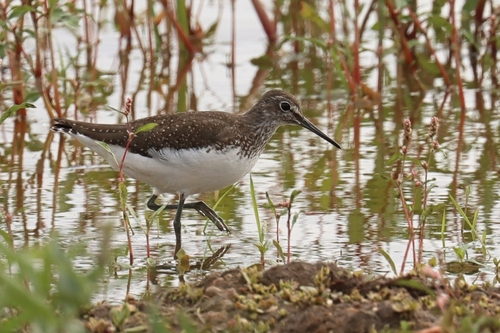
クサシギ (Tringa ochropus) クサシギ
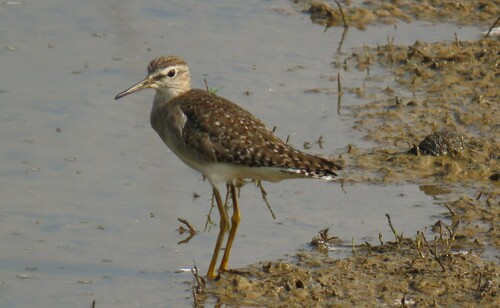
タカブシギ (Tringa glareola) タカブシギ

メディア

読み込み中…

要点

クサシギとタカブシギを区別する最も信頼できるフィールドマークは、飛行中の尾羽のパターンです:クサシギは、他の暗い翼に対して際立つ大胆で鮮やかな白い尾羽を示しますが、タカブシギは小さく、コントラストの少ない白い尾羽の斑点しか持っていません。止まっているとき、クサシギは暗い緑がかった脚と短いくちばしでふっくらと見えますが、タカブシギはスリムで、脚が長く、黄味がかった脚を持っています。両種は背中に白い斑点を示すことがありますが、クサシギは全体的に暗く、特に翼の部分がそうです。構造、脚の色、飛行中の視点が重要で、特に幼鳥においてはそうです。サイズの違いは微妙ですが、クサシギはより重く、ずんぐりしています。

識別のコツ

  1. Rump in flight: クサシギは常に暗い翼に対して際立つ大きく明るい白い尾羽を示します—これはすべての年齢と季節において最も優れた区別点です。タカブシギは小さく、コントラストの少ない白い尾羽の斑点しか持っていません。
  2. Upperwing pattern: 両種は飛行中に暗い翼を持っていますが、クサシギの翼は上面と下面でより暗く、均一であり、白い尾羽をさらに際立たせます。タカブシギの翼はより淡く、コントラストが少ないです。
  3. Leg color: クサシギは暗い緑の脚を持ち、遠くから見るとほぼ黒に見えることがあります。タカブシギの脚は明らかに黄味がかっており、これは遠くからでもよく見えます。
  4. Structure: クサシギはふっくらとしており、首とくちばしが短く、よりコンパクトな形をしています。タカブシギはスリムで、脚が長く、より優雅に見えます。
  5. Bill: 両種は直線的なくちばしを持っていますが、タカブシギのくちばしはより細く、頭のサイズに対してやや短いです。これは微妙で、他のマークと組み合わせて使用するのが最適です。
  6. Back spotting: クサシギは繁殖羽衣の時に背中に大胆な白い斑点を示しますが、冬や幼鳥ではそれほどではありません。タカブシギの背中は淡い茶色で、より小さく、より拡散した斑点があります。
  7. Breast pattern: クサシギは灰色がかった頭と胸を持ち、白い腹部とのコントラストが鮮明です。タカブシギの胸の斑点は小さく、あまり明確ではありません。
  8. Voice: クサシギが飛び立つときに聞こえる大きな三音の口笛に注意してください。タカブシギの鳴き声はより柔らかく、特徴が少ないです。
  9. Behavior when flushed: クサシギは早めに飛び立つ傾向があり、高く飛んで大きな声で円を描きながら飛びます。タカブシギはあまり警戒心がなく、長くその場に留まることが多いです。
  10. Habitat context: クサシギは日陰の泥だらけの水たまりや森林の端にいることが多いですが、タカブシギは開けた湿地や洪水の草地を好みますが、両者は重なることがあります。
  11. Group size: クサシギは通常、単独またはペアで見られますが、タカブシギは特に移動中に小さな群れで見られることが多いです。
  12. Leg length: タカブシギの脚は特に水に浸かっているときや歩いているときに長く見えます。
  13. Underwing: 両種は暗い下翼を持っていますが、クサシギの下翼は特に暗く、白い尾羽のコントラストを強調します。
  14. Seasonal variation: クサシギの背中の白い斑点は繁殖期の成鳥で最も明らかですが、冬や幼鳥ではそれほどではありませんが、尾羽のマークは常に信頼できます。
  15. Juvenile confusion: どちらの種にも特有の幼鳥の上翼マークは記載されていないため、幼鳥の際は尾羽、脚の色、構造に注目してください。

大きさ

クサシギはやや重く(80.0g対67.5g)、フィールドではふっくらとしてコンパクトに見えます。タカブシギはシャンクの中で最も小さいですが、クサシギよりも繊細で、脚が長く、ずんぐりしていないように見えます。くちばしの長さは似ていますが、タカブシギのくちばしはより細く、頭のサイズに対してやや短いです。これらの違いは微妙で、鳥が並んでいないと判断が難しいことがあります。

羽色

最も診断的な羽毛の違い、特に飛行中のものは尾羽です:すべての年齢のクサシギは、暗い上翼と下翼と強く対比する大きく明るい白い尾羽を示します。タカブシギは年齢に関係なく、小さくコントラストの少ない白い尾羽の斑点しか持っていません。地上では、クサシギは上面が暗く(緑がかった茶色の背中と翼)で、繁殖期の成鳥で最も明らかに白い斑点が見られ、冬や幼鳥ではそれほどではありません。タカブシギは上面が淡く、背中は明るい茶色で、胸と首に小さく、より拡散した斑点があります。脚の色も良い手がかりです:クサシギは暗い緑の脚を持ち、タカブシギは黄味がかった脚を持っています。両者は白い腹部を持っていますが、クサシギの胸はより灰色がかっており、より鮮明に区切られています。幼鳥と未熟な上翼のパターンはどちらの種にも特徴的ではないため、飛行中の尾羽と全体的なコントラストに頼ってください。

行動

両種は浅い水や泥の中で餌を探し、無脊椎動物を探ります。クサシギはしばしばより孤独に見え、大きな三音の口笛で飛び立つ可能性が高く、高く飛んで着陸する前に円を描きます。タカブシギは小さな群れで見られることが多く、より親しみやすく見えることがあります。両種は尾を上下に振りますが、これは強い区別点ではありません。

生息環境

両種は淡水の水鳥ですが、クサシギは小さな泥だらけの水たまり、溝、または日陰の森林の端にいることが多く、時には開けた湿地から離れています。タカブシギは開けた淡水の湿地、沼地、洪水の草地を好み、密なカバーの中にはあまり見られません。生息地の重複は一般的であるため、場所だけに頼らないでください。

声

クサシギは飛び立つときに特徴的で大きな三音の口笛を出します。タカブシギの鳴き声はここでは記載されていませんが、一般的に柔らかく、鋭さが少ないです。鳥が飛び立つときに鋭く、響く三音の呼び声が聞こえたら、クサシギの可能性が高いです。

より良い説明を送る

比較と同じ項目を使ってください。文章はすぐに公開されます。

The most reliable field mark to separate Green Sandpiper from Wood Sandpiper is the rump pattern in flight: Green Sandpiper shows a bold, brilliant white rump that stands out against otherwise dark wings, while Wood Sandpiper has only a small, less contrasting white rump patch. When perched, Green Sandpiper appears plumper with dark greenish legs and a short bill, whereas Wood Sandpiper is slimmer, longer-legged, and has yellowish legs. Both species can show white spotting on the back, but Green Sandpiper is darker overall, especially on the wings. Structure, leg color, and flight views are key, especially with immatures. Size difference is subtle but Green Sandpiper is heavier and bulkier.

  1. Rump in flight: Green Sandpiper always shows a large, bright white rump that stands out against dark wings—this is the single best separator in all ages and seasons. Wood Sandpiper has only a small, less contrasting white rump patch.
  2. Upperwing pattern: Both species have dark wings in flight, but Green Sandpiper's are darker and more uniform above and below, making the white rump even more striking. Wood Sandpiper's wings are paler and less contrasting.
  3. Leg color: Green Sandpiper has dark green legs, which can look almost black at a distance. Wood Sandpiper's legs are distinctly yellowish—this is often visible even at range.
  4. Structure: Green Sandpiper is plumper, with a shorter neck and bill, and a more compact shape. Wood Sandpiper is slimmer, longer-legged, and looks more elegant.
  5. Bill: Both have straight bills, but Wood Sandpiper's is finer and slightly shorter relative to head size. This is subtle and best used in combination with other marks.
  6. Back spotting: Green Sandpiper shows bold white spots on the back in breeding plumage, less so in winter and immatures. Wood Sandpiper's back is paler brown with smaller, more diffuse spotting.
  7. Breast pattern: Green Sandpiper has a greyish head and breast with a sharp contrast to white underparts. Wood Sandpiper's breast spots are smaller and less defined.
  8. Voice: Listen for a loud, three-note whistle from Green Sandpiper when flushed. Wood Sandpiper's call is softer and less distinctive.
  9. Behavior when flushed: Green Sandpiper tends to flush early, flying high and circling with loud calls. Wood Sandpiper is less wary and often stays put longer.
  10. Habitat context: Green Sandpiper is more likely in shaded, muddy pools or woodland edges; Wood Sandpiper prefers open marshes and flooded meadows, but both can overlap.
  11. Group size: Green Sandpiper is usually solitary or in pairs; Wood Sandpiper often in small flocks, especially on migration.
  12. Leg length: Wood Sandpiper's legs look longer, especially when wading or walking.
  13. Underwing: Both species have dark underwings, but Green Sandpiper's are especially dark, reinforcing the white rump contrast.
  14. Seasonal variation: White spotting on Green Sandpiper's back is most obvious in breeding adults; less so in winter and immatures, but rump mark is always reliable.
  15. Juvenile confusion: No unique juvenile upperwing marks described for either species—focus on rump, leg color, and structure for immatures.

Green Sandpiper is slightly heavier (80.0g vs 67.5g) and appears plumper and more compact in the field. Wood Sandpiper is the smallest of the shanks but looks more delicate, longer-legged, and less chunky than Green Sandpiper. Bill length is similar, but Wood Sandpiper's bill is finer and slightly shorter in proportion to head size. These differences are subtle and may be hard to judge unless birds are side by side.

The most diagnostic plumage difference, especially in flight, is the rump: Green Sandpiper of all ages shows a large, bright white rump that contrasts strongly with dark upper- and underwings. Wood Sandpiper, regardless of age, has only a small, less contrasting white rump patch. On the ground, Green Sandpiper is darker above (greenish-brown back and wings) with white spotting most obvious in breeding adults, less so in winter and immatures. Wood Sandpiper is paler above, with a light brown back and smaller, more diffuse spots on the breast and neck. Leg color is also a good clue: Green Sandpiper has dark green legs, Wood Sandpiper has yellowish legs. Both have white underparts, but Green Sandpiper's breast is greyer and more sharply demarcated. Juvenile and immature upperwing patterns are not described as distinctive for either species, so rely on rump and overall contrast in flight.

Both species forage in shallow water or mud, probing for invertebrates. Green Sandpiper often appears more solitary and is more likely to flush with a loud, three-note whistle, flying high and circling before landing. Wood Sandpiper is more likely to be seen in small groups and may seem more confiding. Both species bob their tails, but this is not a strong separator.

Both species are freshwater waders, but Green Sandpiper is more often found at small, muddy pools, ditches, or shaded woodland edges, sometimes away from open wetlands. Wood Sandpiper prefers open freshwater wetlands, marshes, and flooded meadows, and is less likely in dense cover. Habitat overlap is common, so do not rely solely on location.

Green Sandpiper gives a distinctive, loud three-note whistle when flushed. Wood Sandpiper's call is not described here, but is generally softer and less piercing. If you hear a sharp, ringing three-note call as the bird takes off, Green Sandpiper is likely.

変更を破棄しますか?

保存していない編集があります。今離れると失われます。

クサシギ · タカブシギ · 苦手な鳥