

Mugnaiaccio vs Slaty-backed Gull
Larus marinus contro Larus schistisagus
Fai un quiz con Mugnaiaccio e Slaty-backed Gull
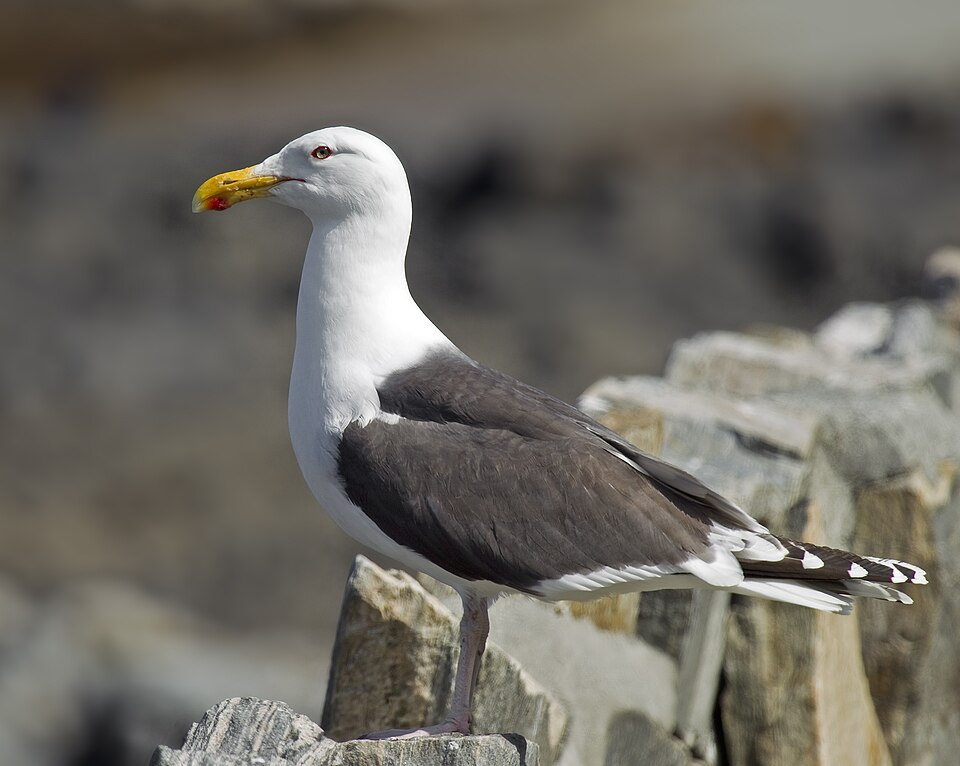 Mugnaiaccio
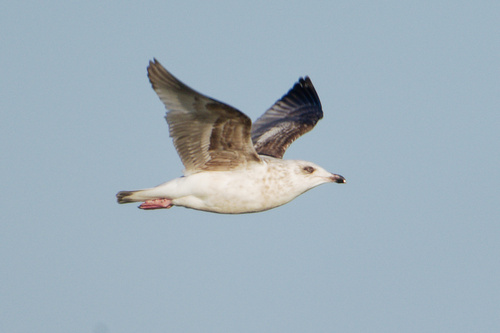 Slaty-backed Gull
In breve
I gabbiani giovani e immaturi Mugnaiaccio (GBBG) mostrano un pattern delle ali superiori e della coda più audace e più a scacchi rispetto ai Gabbiani Slaty-backed (SBG), i cui immaturi sono più chiari e più simili ai Gabbiani Herring. L'adulto GBBG è l'unico gabbiano molto grande dell'Atlantico settentrionale con ali superiori e dorso nero corvino, mentre l'adulto SBG ha un dorso grigio ardesia leggermente più chiaro e un pattern diagnostico bianco a 'filiera di perle' sull'ala in volo. GBBG è più massiccio e ha zampe più lunghe, con un becco più pesante e una voce più profonda e risonante. Entrambi sono gabbiani grandi con testa bianca e zampe rosa, ma un'attenta attenzione al pattern delle ali, alla struttura e alla tonalità del mantello li separerà in tutte le livree.
Consigli di identificazione
- Pattern delle ali superiori e della coda di giovani/immaturi: Gli immaturi GBBG hanno parti superiori nere-marroni a scacchi audaci e una coda bianca con barre a zigzag e una forte banda nera spezzata—molto distintiva in volo. Gli immaturi SBG sono marroni più chiari, meno marcati e somigliano da vicino ai Gabbiani Herring, privi del forte pattern a scacchi e della coda del GBBG. Questo è il segno più affidabile per i non adulti.
- Colore delle ali superiori e del dorso degli adulti: Gli adulti GBBG hanno ali superiori e dorso neri corvini, i più scuri di qualsiasi gabbiano dell'Atlantico settentrionale. Gli adulti SBG sono leggermente più chiari, con un mantello e un dorso grigio ardesia. Alla luce diretta del sole, GBBG apparirà sempre più nero.
- Pattern delle ali in volo degli adulti: Gli adulti SBG mostrano un ampio bordo bianco di coda sull'ala e una 'filiera di perle'—una fila di mezze lune bianche lungo le primarie medie, più grandi specchi bianchi sulle primarie esterne (p9, p10). Gli adulti GBBG hanno meno bianco sull'ala, mancando della filiera di perle, e il bordo di coda non è così ampio o nitido.
- Colore e struttura delle zampe: Entrambe le specie hanno zampe rosa, ma le zampe del GBBG sono più lunghe e robuste, mentre quelle del SBG sono più corte e conferiscono all'uccello un aspetto paffuto e tozzo quando è posato.
- Struttura del becco: Il GBBG ha un becco più spesso, pesante e potente, che appare spesso massiccio anche da lontano. Il becco del SBG è grande ma meno imponente.
- Occhio e anello orbitale: Gli adulti SBG hanno occhi gialli con pelle orbitale viola a rosa scuro, che può essere visibile da vicino. Il colore degli occhi del GBBG non è specificamente diagnostico nelle fonti.
- Dimensioni complessive e jizz: Il GBBG è il gabbiano più grande, apparendo sempre più massiccio, con zampe più lunghe e più imponente rispetto al SBG. Il SBG è ancora grande ma più compatto e paffuto.
- Comportamento: Il GBBG è spesso dominante, aggressivo e predatorio, a volte visto mentre caccia o ruba da altri uccelli. Il SBG non è particolarmente aggressivo.
- Voce: Un richiamo profondo, risonante e simile a un mucca 'kaa-ga-ga' indica il GBBG; la voce del SBG non è distintiva.
- Habitat e distribuzione: Nell'Atlantico settentrionale, un gabbiano molto grande con dorso nero è quasi certamente GBBG. Lo SBG è raro in questa regione e più atteso nel Pacifico nord-occidentale; considera sempre l'abbondanza locale.
- Confusione con il Gabbiano Herring: Gli immaturi SBG sono facilmente confusi con il Gabbiano Herring, non con il GBBG, a causa della loro livrea più chiara e meno patternizzata. Gli immaturi GBBG sono molto più scuri e contrastanti.
- Cambiamenti stagionali: Entrambe le specie impiegano diversi anni per raggiungere la livrea adulta, ma la transizione del GBBG è più lenta e rimane più scura più a lungo. Gli immaturi SBG diventano più chiari più rapidamente.
- Posato vs. in volo: Molti segni chiave (pattern delle ali, bordo di coda, filiera di perle) sono più visibili in volo. Quando sono posati, fai affidamento sulla tonalità del mantello, sulla lunghezza delle zampe e sulle dimensioni complessive.
- Trappole: Non fare affidamento solo sulle dimensioni a meno che gli uccelli non siano affiancati. L'illuminazione può influenzare la tonalità del mantello; cerca sempre la filiera di perle (SBG) o le ali superiori nere corvine (GBBG) in buona luce.
- Sesso e età: Nessun forte dimorfismo sessuale; tutti i confronti di età sopra si applicano a entrambi i sessi.
Taglia
Il Mugnaiaccio è il gabbiano più grande del mondo, notevolmente più massiccio e pesante rispetto al Gabbiano Slaty-backed. Il GBBG è in media più grande in lunghezza, apertura alare e massa (GBBG: fino a 2 kg [wikipedia], SBG: 1.05–1.7 kg [wikipedia]). Il GBBG ha una costruzione più robusta e potente, zampe più lunghe e un becco più spesso e imponente. Lo SBG è ancora un gabbiano molto grande ma appare più compatto, con un tarso più corto e un aspetto paffuto. In un confronto diretto, il GBBG apparirà sempre l'uccello più massiccio e imponente.
Piumaggio
- Giovane/Primo anno: I giovani GBBG sono audacemente a scacchi nero-marroni sopra, con una base di coda bianca contrassegnata da barre a zigzag e una forte banda nera spezzata vicino alla punta. Le loro copritrici e piume da volo sono scure, e l'effetto complessivo è ad alto contrasto e sorprendente. Gli immaturi SBG sono marroni più chiari, meno marcati e somigliano da vicino agli immaturi Gabbiani Herring; le loro ali superiori sono meno a scacchi e mancano della forte banda di coda e del pattern a zigzag del GBBG.
- Secondo/Terzo anno: Gli immaturi GBBG rimangono più scuri e contrastanti, con un aspetto più sporco e striato mentre si avvicinano all'età adulta. Gli immaturi SBG continuano a sembrare più chiari e meno patternizzati, con una tonalità marrone più uniforme.
- Adulto: Gli adulti GBBG hanno ali superiori e dorso neri corvini, con testa, parti inferiori e coda bianche. Gli adulti SBG hanno un dorso e ali grigio ardesia leggermente più chiari, con un ampio bordo bianco di coda sull'ala e una distintiva 'filiera di perle' (mezze lune bianche) lungo le primarie medie in volo. Lo SBG mostra anche grandi specchi bianchi su p9 e p10. Entrambi hanno zampe rosa, ma quelle del SBG sono più corte e l'uccello appare più paffuto.
Comportamento
Il GBBG è un gabbiano altamente aggressivo e dominante, spesso comportandosi più come un rapace—cacciando attivamente, rubando e persino uccidendo altri uccelli, compresi gli anatre e gli uccelli marini adulti. È spesso visto intimidire o spostare altri gabbiani e uccelli marini. Il SBG è meno aggressivo e non è noto per lo stesso comportamento predatorio; il suo modo di nutrirsi e le interazioni sono più tipiche dei grandi gabbiani. La dominanza del GBBG è spesso evidente presso le carcasse o tra stormi misti di gabbiani.
Habitat
Il GBBG nidifica e sverna lungo le coste e le isole dell'Atlantico settentrionale, preferendo le coste rocciose, i porti e le rive urbane. Lo SBG nidifica nel Pacifico nord-occidentale (Palearctico nord-orientale) ed è raro nell'Atlantico; viene più spesso incontrato come vagrante in Nord America, specialmente sulla costa del Pacifico, ed è meno probabile nei tipici luoghi del GBBG. Se visti insieme, il contesto favorisce il GBBG nell'Atlantico settentrionale e lo SBG nel Pacifico nord-occidentale, ma la vaganza è possibile.
Voce
Il GBBG ha un richiamo profondo, risonante e 'ridacchiante' (kaa-ga-ga), con la prima nota a volte prolungata e quasi simile a un mucca—nettamente più profonda della maggior parte dei gabbiani. La voce dello SBG non è descritta in dettaglio nelle fonti, ma non è notata come particolarmente profonda o diagnostica. Se senti un richiamo di gabbiano molto profondo e risonante, è più probabile che sia il GBBG.