

Mantelmöwe vs Kamtschatkamöwe
Larus marinus gegen Larus schistisagus
Ein Quiz mit Mantelmöwe und Kamtschatkamöwe spielen
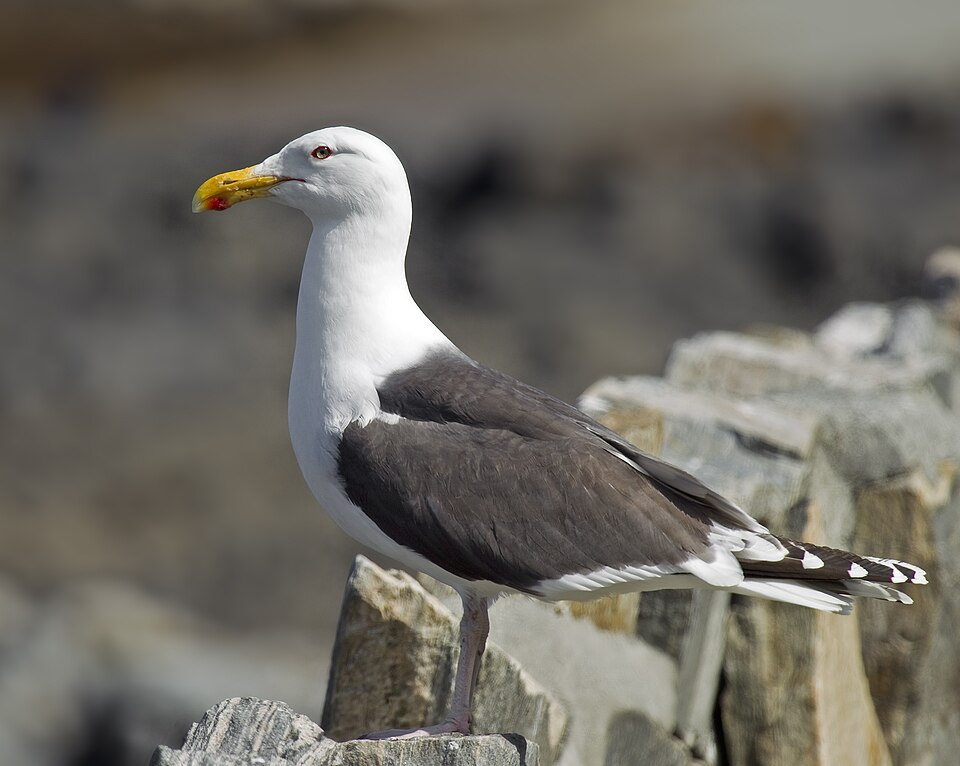 Mantelmöwe
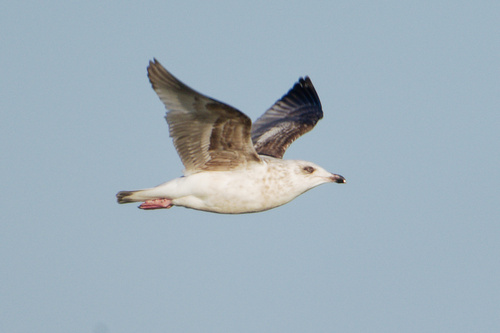 Kamtschatkamöwe
Kurz gesagt
Juvenile und immature Mantelmöwen (GBBG) zeigen ein auffälligeres, stärker schachbrettartiges Muster auf den Oberflügeln und dem Schwanz als Kamtschatkamöwen (SBG), deren Immaturen blasser sind und mehr wie Herring Gull aussehen. Erwachsene GBBG sind die einzigen sehr großen Nordatlantikmöwen mit tiefschwarzen Oberflügeln und Rücken, während erwachsene SBG einen etwas blasseren, schiefergrauen Rücken und ein diagnostisches 'Perlenband' weißes Muster auf dem Flügel im Flug haben. GBBG ist massiver und langbeiniger, mit einem schwereren Schnabel und einer tieferen, resonanteren Stimme. Beide sind große, weißköpfige Möwen mit rosa Beinen, aber sorgfältige Aufmerksamkeit auf das Flügelmuster, die Struktur und den Mantelton wird sie in allen Gefiederarten unterscheiden.
Bestimmungstipps
- Juvenile/immature Oberflügel- und Schwanzmuster: GBBG-Immaturen haben auffällige, schachbrettartige schwarz-braune Oberteile und einen weißen Schwanz mit Zickzackstreifen und einem starken, gebrochenen schwarzen Band – sehr charakteristisch im Flug. SBG-Immaturen sind blasser braun, weniger klar markiert und ähneln Herring Gull, wobei ihnen das auffällige Schachbrettmuster und das Schwanzmuster von GBBG fehlt. Dies ist das zuverlässigste Merkmal für Nicht-Erwachsene.
- Erwachsene Oberflügel- und Rückenfarbe: GBBG-Erwachsene haben tiefschwarze Oberflügel und Rücken, die dunkelsten aller Nordatlantikmöwen. SBG-Erwachsene sind etwas blasser, mit einem schiefergrauen Mantel und Rücken. Bei direkter Sonneneinstrahlung wird GBBG immer schwärzer aussehen.
- Erwachsenes Flügelmuster im Flug: SBG-Erwachsene zeigen eine breite weiße Hinterkante des Flügels und ein 'Perlenband' – eine Reihe von weißen Monden entlang der mittleren Primärfedern, plus große weiße Spiegel auf den äußeren Primärfedern (p9, p10). GBBG-Erwachsene haben weniger ausgedehntes Weiß auf dem Flügel, das Perlenband fehlt, und die Hinterkante ist nicht so breit oder scharf.
- Beinfarbe und -struktur: Beide Arten haben rosa Beine, aber die Beine von GBBG sind länger und robuster, während die von SBG kürzer sind und dem Vogel ein bauchiger, gedrungener Eindruck verleihen, wenn er sitzt.
- Schnabelstruktur: GBBG hat einen dickeren, schwereren, kraftvolleren Schnabel, der selbst aus der Ferne massiv erscheint. Der Schnabel von SBG ist groß, aber weniger imposant.
- Auge und Augenring: SBG-Erwachsene haben gelbe Augen mit lila bis tiefrosa orbitaler Haut, die aus der Nähe sichtbar sein kann. Die Augenfarbe von GBBG ist in den Quellen nicht spezifisch diagnostisch.
- Gesamtgröße und Eindruck: GBBG ist die größte Möwe, die immer massiver, langbeiniger und imposanter als SBG erscheint. SBG ist immer noch groß, aber kompakter und bauchiger.
- Verhalten: GBBG ist oft dominant, aggressiv und räuberisch, manchmal beim Jagen oder Piratendiebstahl von anderen Vögeln zu sehen. SBG ist nicht besonders aggressiv.
- Stimme: Ein tiefes, dröhnendes, kuhähnliches 'kaa-ga-ga'-Rufen deutet auf GBBG hin; die Stimme von SBG ist nicht charakteristisch.
- Lebensraum und Verbreitung: Im Nordatlantik ist eine sehr große, schwarzrückige Möwe fast sicher GBBG. SBG ist selten in dieser Region und wird eher im nordwestlichen Pazifik erwartet; immer die lokale Häufigkeit berücksichtigen.
- Verwechslung mit Herring Gull: SBG-Immaturen werden leicht mit Herring Gull verwechselt, nicht mit GBBG, aufgrund ihres blasseren, weniger gemusterten Gefieders. GBBG-Immaturen sind viel dunkler und kontrastreicher.
- Saisonale Veränderungen: Beide Arten benötigen mehrere Jahre, um das adulte Gefieder zu erreichen, aber der Übergang von GBBG ist langsamer und bleibt länger dunkler. SBG-Immaturen werden schneller blasser.
- Sitzend vs. im Flug: Viele wichtige Merkmale (Flügelmuster, Hinterkante, Perlenband) sind im Flug am sichtbarsten. Wenn sie sitzen, verlassen Sie sich auf den Mantelton, die Beinlänge und die Gesamtgröße.
- Fallstricke: Verlassen Sie sich nicht ausschließlich auf die Größe, es sei denn, die Vögel sind nebeneinander. Licht kann den Mantelton beeinflussen; suchen Sie immer nach dem Perlenband (SBG) oder den tiefschwarzen Oberflügeln (GBBG) bei gutem Licht.
- Geschlecht und Alter: Kein starker sexueller Dimorphismus; alle oben genannten Altersvergleiche gelten für beide Geschlechter.
Größe
Mantelmöwe ist die größte Möwe der Welt, auffällig massiver und schwerer als Kamtschatkamöwe. GBBG ist im Durchschnitt größer in Länge, Spannweite und Masse (GBBG: bis zu 2 kg [wikipedia], SBG: 1,05–1,7 kg [wikipedia]). GBBG hat einen robustereren, kraftvolleren Körperbau, längere Beine und einen dickeren, imposanteren Schnabel. SBG ist immer noch eine sehr große Möwe, erscheint aber kompakter, mit einem kürzeren Tarsus und einem bauchigen Aussehen. Im direkten Vergleich wird GBBG immer wie der massivere und imposantere Vogel aussehen.
Gefieder
- Juvenile/Erstes Jahr: GBBG-Jugendliche sind oben auffällig schachbrettartig schwarz-braun, mit einer weißen Schwanzbasis, die durch Zickzackstreifen und ein starkes, gebrochenes schwarzes Band nahe der Spitze gekennzeichnet ist. Ihre Flügeldecken und Flugfedern sind dunkel, und der Gesamteindruck ist hochkontrastreich und auffällig. SBG-Immaturen sind blasser braun, weniger klar markiert und ähneln eng den Herring Gull-Immaturen; ihr Oberflügel ist weniger schachbrettartig und fehlt das starke Schwanzband und das Zickzackmuster von GBBG.
- Zweites/Drittes Jahr: GBBG-Immaturen bleiben dunkler und kontrastreicher, mit einem schmutzigeren, gestreiften Aussehen, während sie sich dem Erwachsenenalter nähern. SBG-Immaturen sehen weiterhin blasser und weniger gemustert aus, mit einem einheitlicheren bräunlichen Ton.
- Erwachsen: GBBG-Erwachsene haben tiefschwarze Oberflügel und Rücken, mit weißem Kopf, Unterseite und Schwanz. SBG-Erwachsene haben einen etwas blasseren, schiefergrauen Rücken und Flügel, mit einer breiten weißen Hinterkante des Flügels und einem charakteristischen 'Perlenband' (weiße Monden) entlang der mittleren Primärfedern im Flug. SBG zeigt auch große weiße Spiegel auf p9 und p10. Beide haben rosa Beine, aber die von SBG sind kürzer und der Vogel erscheint bauchiger.
Verhalten
GBBG ist eine hochaggressive, dominante Möwe, die oft mehr wie ein Raubvogel agiert – aktiv jagend, piratend und sogar andere Vögel tötend, einschließlich erwachsener Wasservögel und Seevögel. Sie wird oft gesehen, wie sie andere Möwen und Seevögel einschüchtert oder vertreibt. SBG ist weniger aggressiv und nicht für dasselbe räuberische Verhalten bekannt; ihr Fressen und ihre Interaktionen sind typischer für große Möwen. Die Dominanz von GBBG ist oft an Kadavern oder unter gemischten Möwenflocken offensichtlich.
Lebensraum
GBBG brütet und überwintert entlang der Küsten und Inseln des Nordatlantiks und bevorzugt felsige Küsten, Häfen und städtische Ufer. SBG brütet im nordwestlichen Pazifik (nordöstliches Paläarktis) und ist im Atlantik selten; sie wird am häufigsten als Irrgast in Nordamerika, insbesondere an der Pazifikküste, angetroffen und ist weniger wahrscheinlich in typischen GBBG-Habitaten. Wenn sie zusammen gesehen werden, begünstigt der Kontext GBBG im Nordatlantik und SBG im nordwestlichen Pazifik, aber Irrgäste sind möglich.
Stimme
GBBG hat einen tiefen, resonanten, 'lachenden' Ruf (kaa-ga-ga), wobei die erste Note manchmal gezogen und fast kuhähnlich ist – deutlich tiefer als bei den meisten Möwen. Die Stimme von SBG wird in den Quellen nicht detailliert beschrieben, aber sie wird nicht als besonders tief oder diagnostisch erwähnt. Wenn Sie einen sehr tiefen, dröhnenden Möwenruf hören, ist GBBG wahrscheinlicher.