

Fairy Prion vs Fluttering Shearwater
Pachyptila turtur contro Puffinus gavia
Fai un quiz con Fairy Prion e Fluttering Shearwater
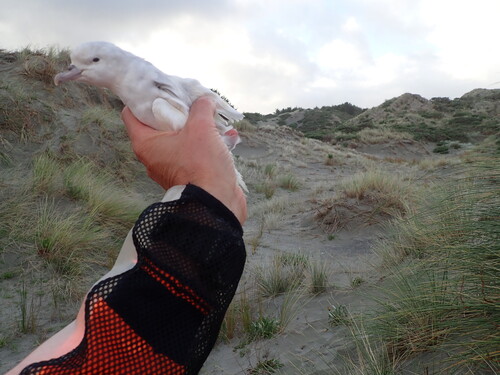 Fairy Prion
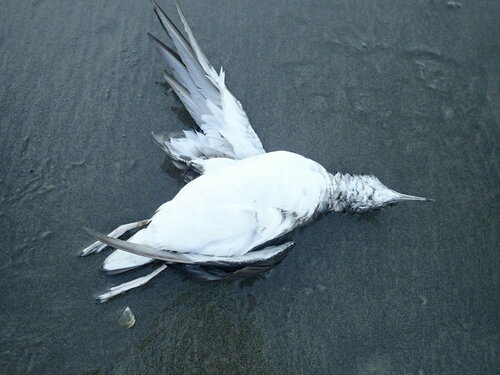 Fluttering Shearwater
In breve
Il segno di campo più affidabile per separare il Fairy Prion dal Fluttering Shearwater è il motivo delle ali superiori: il Fairy Prion mostra un dorso blu-grigio con un audace segno scuro a forma di 'M' che si estende attraverso le ali fino alle punte, mentre il Fluttering Shearwater ha parti superiori uniformemente marroni scure senza alcun motivo a 'M'. In volo, il Fairy Prion appare più chiaro e più argentato sopra, mentre il Fluttering Shearwater è costantemente scuro sopra e bianco sotto, con una distintiva macchia scura sulla coscia visibile nella parte inferiore. Anche la struttura aiuta: il Fairy Prion è più piccolo, con una coda a forma di cuneo e un becco corto e blu chiaro, mentre il Fluttering Shearwater è più grande, con una coda a forma di ventaglio, un becco lungo e scuro e gambe marroni-rosate che spesso si proiettano oltre la coda. Entrambi possono essere visti in habitat oceanici simili, ma il loro stile di volo e il motivo delle ali sono i modi più rapidi per distinguerli.
Consigli di identificazione
- Motivo delle ali superiori (tutte le età): Il Fairy Prion mostra un dorso blu-grigio con un audace segno scuro a forma di 'M' attraverso le ali superiori fino alle punte; il Fluttering Shearwater è uniformemente marrone scuro sopra senza alcun motivo a 'M'. Questo è il segno più affidabile in volo.
- Forma della coda: Il Fairy Prion ha una coda a forma di cuneo con una punta scura, mentre il Fluttering Shearwater ha una coda corta a forma di ventaglio con colorazione mista scura e bianca.
- Colore e forma del becco: Il Fairy Prion ha un becco corto e blu chiaro; il becco del Fluttering Shearwater è più lungo, più sottile e di colore scuro.
- Gambe e piedi: Il Fairy Prion ha gambe e piedi blu, che sono raramente visibili in campo. Il Fluttering Shearwater ha gambe e piedi marroni-rosati con membrane scure, e i piedi spesso si proiettano oltre la coda in volo—un segno utile se visto.
- Parte inferiore: Entrambi sono bianchi sotto, ma il Fluttering Shearwater mostra una macchia scura sulla coscia sulla parte inferiore bianca, visibile in volo; la parte inferiore del Fairy Prion è bianca pulita.
- Sottoala: La sottoala del Fluttering Shearwater è per lo più bianca con assi scure; la sottoala del Fairy Prion è bianca semplice, che corrisponde al corpo.
- Motivo del viso: Il viso del Fairy Prion è chiaro con una corona blu-grigia; il viso e il collo del Fluttering Shearwater sono marrone-grigi, sfumando a bianco sotto l'occhio, ma questo è sottile in mare.
- Stile di volo: Il Fairy Prion è più galleggiante e plana di più; il Fluttering Shearwater vola basso e veloce con rapidi battiti d'ala e brevi planate.
- Dimensione e massa: Il Fairy Prion è molto più piccolo e leggero (139 g) rispetto al Fluttering Shearwater (243–302 g), che appare più robusto e con ali più lunghe.
- Effetti della muta: Il Fluttering Shearwater in tarda estate fino all'autunno può apparire più chiaro e strappato sopra, ma manca ancora del motivo a 'M' del Fairy Prion.
- Confusione giovanile: Il giovane Fluttering Shearwater assomiglia all'adulto ma con bordi delle copritrici delle ali più chiari; nessuna età del Fluttering Shearwater mostra un motivo a 'M'.
- Proiezione dei piedi: In volo, cerca piedi che si estendono oltre la coda (solo Fluttering Shearwater).
- Punta della coda: La coda del Fairy Prion è a forma di cuneo con una punta scura; quella del Fluttering Shearwater è a forma di ventaglio e mista nel colore.
- Vocalizzazioni: Solo il Fluttering Shearwater è probabile che chiami in mare; se senti il richiamo 'ka-hek-ka-hek', non è un Fairy Prion.
- Sovrapposizione dell'habitat: Entrambi possono essere visti insieme in mare, quindi non fare affidamento solo sulla posizione per l'identificazione.
Taglia
Il Fairy Prion è molto più piccolo e leggero, con una massa corporea di circa 139 g [wikidata], rispetto al Fluttering Shearwater, che è significativamente più pesante (le femmine adulte pesano in media 302 g, i maschi 243 g [wikipedia]). Il Fairy Prion è lungo circa 25 cm con un'apertura alare di 56 cm, mentre il Fluttering Shearwater è descritto come medio-piccolo per un shearwater ma è comunque notevolmente più robusto e con ali più lunghe rispetto al Fairy Prion. Questa differenza di dimensione è spesso evidente quando entrambe le specie sono viste insieme o con altri uccelli marini per scala.
Piumaggio
Il giovane e l'adulto Fairy Prion di tutte le età mostrano parti superiori blu-grigie con un forte segno scuro a forma di 'M' che si estende dalla schiena attraverso le ali superiori fino alle punte, e una coda a forma di cuneo con una punta scura. Le parti inferiori sono bianche pulite. Il becco è blu chiaro, e le gambe e i piedi sono blu. Il Fluttering Shearwater, al contrario, ha parti superiori uniformemente marroni scure, compresi collo, ali e coda, senza alcun motivo a 'M'. Il viso e il collo sono marrone-grigi, sfumando a bianco sotto l'occhio, e le parti inferiori sono bianche tranne per una conspicua macchia scura sulla coscia visibile in volo. La sottoala è per lo più bianca, ma le assi (area dell'ascella) sono marrone-grigie. La coda è a forma di ventaglio e corta in volo, con misto marrone scuro e bianco. Durante la muta (da fine gennaio ad aprile), le parti superiori del Fluttering Shearwater sbiadiscono a un marrone ruggine più chiaro e possono apparire strappate, ma mancano ancora di qualsiasi motivo a 'M'. I giovani Fluttering Shearwater assomigliano agli adulti ma con bordi delle copritrici delle ali più chiari.
Comportamento
Il Fairy Prion vola tipicamente con un volo più galleggiante e planante ed è spesso visto tuffarsi sulla superficie dell'acqua per nutrirsi. Il Fluttering Shearwater ha uno stile di volo basso, veloce e determinato, caratterizzato da battiti d'ala rapidi intervallati da planate. In volo, i piedi del Fluttering Shearwater spesso si estendono oltre la coda, una caratteristica non vista nel Fairy Prion. Entrambe le specie si nutrono in mare, ma il Fluttering Shearwater è più probabile che venga visto tuffarsi e nuotare dopo la preda, usando le sue ali per propellersi sott'acqua.
Habitat
Entrambe le specie sono pelagiche e possono essere viste sopra l'oceano aperto, ma i loro areali di riproduzione differiscono: il Fairy Prion si riproduce su isole subantartiche e subtropicali in tutto l'emisfero australe, mentre il Fluttering Shearwater è endemico della Nuova Zelanda e migra in Australia e nelle Isole Salomone. In mare, i loro habitat si sovrappongono, quindi il contesto non è sempre utile per la separazione.
Voce
Il Fluttering Shearwater ha un richiamo di volo distintivo e disgiunto descritto come 'ka-hek-ka-hek-ka-hek', solitamente emesso in volo. Il Fairy Prion è più spesso silenzioso in mare, ma nelle colonie può emettere richiami morbidi di cooing di notte. Le vocalizzazioni sono poco utili per la separazione sul campo a meno che gli uccelli non stiano chiamando.
Fairy Prion · Fluttering Shearwater · I miei uccelli difficili