

Verzellino vs Canarino
Serinus serinus contro Serinus canaria
Fai un quiz con Verzellino e Canarino
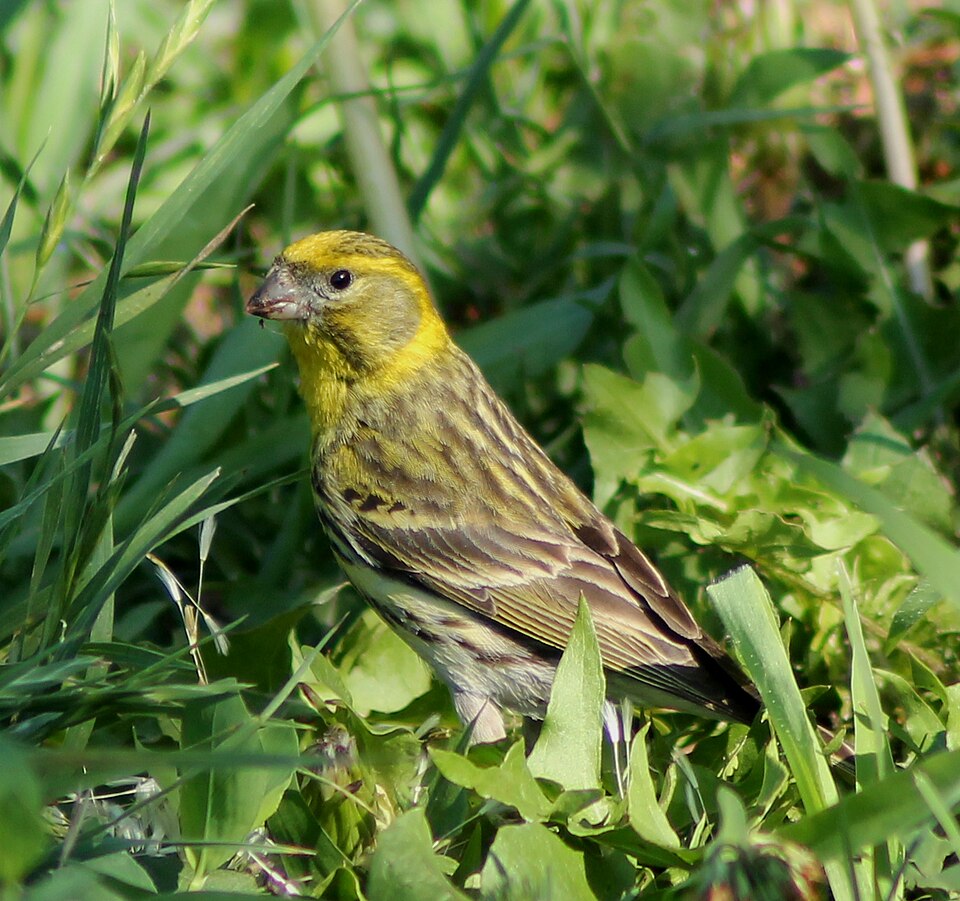 Verzellino
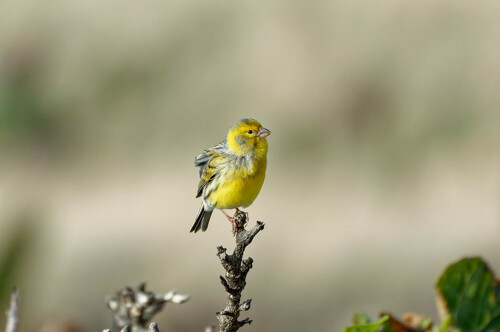 Canarino
In breve
Il segno distintivo più affidabile tra il Verzellino e il Canarino è la dimensione complessiva e il contrasto di colore: il Verzellino è notevolmente più piccolo, più compatto e di un giallo molto più brillante, specialmente sul viso e sul petto, mentre il Canarino è più grande, più lungo e più opaco, con più toni grigi e marroni. I maschi adulti di Verzellino mostrano un viso, un petto e un sottocoda di un giallo molto brillante, in contrasto con striature scure, mentre i Canarini hanno una fronte e un sopracciglio più gialli ma generalmente un giallo meno saturo e striature più diffuse. I Canarini giovani sono particolarmente soggetti a confusione, essendo marroni e striati, ma sono più grandi e mancano del giallo intenso del Verzellino. Entrambe le specie hanno una struttura simile a quella dei fringillidi, ma il Verzellino ha una coda più corta e un aspetto più compatto. In volo o posati, cerca il giallo più brillante del Verzellino e la sua dimensione più piccola rispetto all'aspetto più lungo, grigio e marrone del Canarino.
Consigli di identificazione
- Dimensione e Struttura: Il Verzellino è il più piccolo fringillide europeo, notevolmente più piccolo e compatto rispetto al Canarino. Il Canarino è circa il 10% più grande, con un corpo più lungo e pesante e ali e coda più lunghe. Questa differenza è evidente anche da lontano.
- Forma della Coda e delle Ali: Il Verzellino ha una coda corta e un aspetto compatto e tozzo. Il Canarino ha una coda e ali più lunghe, conferendogli un aspetto più allungato, specialmente in volo.
- Piumaggio del Maschio Adulto: Il maschio di Verzellino è intensamente giallo sul viso, sul petto e sul sottocoda, con striature scure nette sopra e sotto, e bande alari e lati della coda gialli. Il maschio di Canarino è giallo-verde con una fronte e un viso più gialli, ma il giallo è meno brillante e più diffuso, e il sottocoda è giallo opaco.
- Piumaggio Femminile e Giovanile: La femmina di Verzellino è ancora abbastanza gialla, anche se più opaca del maschio, con forti striature. La femmina di Canarino è più grigia e marrone, con meno giallo e striature più diffuse. Il Canarino giovane è marrone e striato, privo di giallo, e può essere confuso con il giovane Verzellino, ma è sempre più grande e meno compatto.
- Colore del Sottocoda: Il Verzellino mostra un sottocoda giallo brillante, specialmente nei maschi. Il sottocoda del Canarino è giallo opaco e meno evidente.
- Schema del Viso: I maschi di Verzellino hanno un viso giallo brillante; i maschi di Canarino hanno una fronte e un sopracciglio più gialli ma non così brillanti o contrastanti come il Verzellino.
- Striature: Le striature del Verzellino sono più nette e contrastanti, specialmente sul petto e sui fianchi. Le striature del Canarino sono più diffuse e meno definite.
- Parte Superiore e Schiena: Il Verzellino ha una parte superiore grigio-verde con striature scure. Il Canarino ha più grigio e marrone nella parte superiore, specialmente sulla schiena e sulla testa.
- Parte Inferiore: Le parti inferiori del Verzellino sono gialle con forti striature; le parti inferiori del Canarino sono giallo-verdi con una pancia e un sottocoda bianchi, e solo alcune striature scure sui lati.
- Becco: Entrambi hanno becchi tipici dei fringillidi, ma quello del Verzellino può apparire leggermente più fine a causa della sua dimensione più piccola.
- Volo: Il Verzellino appare compatto e agile in volo, con una coda corta. Il Canarino appare più lungo e più languido, con ali e coda più lunghe.
- Habitat e Distribuzione: In Europa continentale, il Verzellino è la specie attesa in boschi aperti e aree coltivate. I Canarini selvatici sono nativi solo della Macaronesia; quelli visti in Europa sono probabilmente fuggiti.
- Comportamento in Flock: Il Verzellino forma spesso stormi misti con altri fringillidi al di fuori della stagione riproduttiva; il Canarino è più probabile che si trovi in coppie o piccoli gruppi.
- Voce: Entrambi hanno canzoni simili e rapide; non fare affidamento sulla canzone a meno che tu non sia molto familiare con entrambi.
- Trappole: Il Canarino giovane può sembrare un Verzellino opaco e striato, ma controlla la dimensione, la struttura e la mancanza di giallo. In scarsa illuminazione, il giallo del Verzellino può essere meno evidente, quindi usa dimensione e forma come backup.
Taglia
Il Canarino è circa il 10% più grande del Verzellino, con una massa corporea media di circa 15,3 g (rispetto al Verzellino, che è il più piccolo fringillide europeo). Il Canarino misura 10–12 cm di lunghezza, mentre il Verzellino è 11–12 cm, ma il Verzellino appare molto più compatto e con coda corta. Il Canarino ha anche un'apertura alare notevolmente più lunga (21–23,7 cm) e un aspetto più robusto. Sul campo, il Verzellino appare tipicamente più delicato e attivo, mentre il Canarino è più massiccio e con corpo più lungo.
Piumaggio
Gli uccelli giovani e immaturi sono la principale trappola: i Canarini giovani sono per lo più marroni con striature scure, privi di molto giallo, e possono assomigliare ai giovani Verzellini, ma i Canarini sono sempre più grandi e meno compatti. I maschi adulti di Verzellino sono intensamente gialli sul viso, sul petto e sul sottocoda, con forti striature scure sopra e sotto, e mostrano bande alari e lati della coda gialli. I maschi adulti di Canarino hanno una testa e parti inferiori giallo-verdi, con una fronte, un viso e un sopracciglio più gialli, ma il giallo è meno brillante e più diffuso, e il sottocoda è giallo opaco. Le femmine di entrambe le specie sono più opache, ma la femmina di Canarino è complessivamente più grigia e marrone, con meno giallo rispetto alla femmina di Verzellino. Entrambe le specie hanno parti superiori striate, ma le striature del Verzellino sono più nettamente definite e contrastano di più con il giallo. Il Canarino mostra più grigio e marrone nel piumaggio, specialmente sulla schiena e sulla testa, e manca del sottocoda e del viso giallo brillante del Verzellino. In tutte le età, il Verzellino è più vividamente giallo e più fortemente striato; il Canarino è più opaco, più grigio e più marrone, specialmente nei giovani e nelle femmine.
Comportamento
Il Verzellino è un uccello attivo, spesso evidente, frequentemente visto svolazzare e formare stormi al di fuori della stagione riproduttiva. Il Canarino è anche sociale ma tende a apparire meno frenetico e più deliberato nei suoi movimenti. Il Verzellino si mescola spesso con altri fringillidi in stormi, mentre il Canarino è più probabile che venga visto in coppie o piccoli gruppi. In volo, il Verzellino appare più compatto e agile, mentre le ali e la coda più lunghe del Canarino gli conferiscono un profilo più allungato.
Habitat
Il Verzellino europeo nidifica in boschi aperti e aree coltivate, spesso con alcune conifere, in tutta l'Europa meridionale e centrale e in Nord Africa. È un uccello familiare nei paesaggi mediterranei. Il Canarino è nativo delle Isole Canarie, delle Azzorre e di Madeira, e non si trova naturalmente nell'Europa continentale. Se visto in natura in Europa, il Canarino è probabilmente un fuggitivo o selvatico. Il Verzellino è molto più probabile in Europa continentale, specialmente in habitat aperti e soleggiati con alberi o arbusti sparsi.
Voce
Entrambe le specie hanno canzoni simili: un rapido cinguettio argentato o un trillante ronzio. La canzone del Verzellino è un trillante familiare e ronzante nelle regioni mediterranee, mentre la canzone del Canarino è un cinguettio argentato, simile ma forse meno aspro. La canzone da sola non è un separatore affidabile a meno che tu non sia molto familiare con entrambi, poiché i loro richiami sono facilmente confondibili.