

Dunn's Lark vs Asian Short-toed Lark
Eremalauda dunni contro Alaudala cheleensis
Fai un quiz con Dunn's Lark e Asian Short-toed Lark
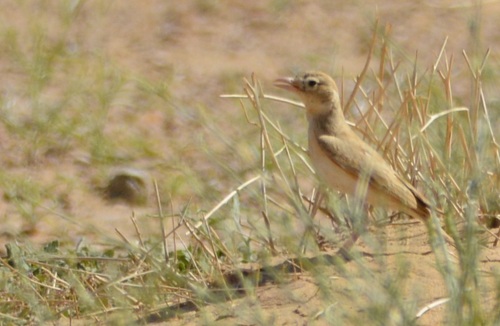 Dunn's Lark
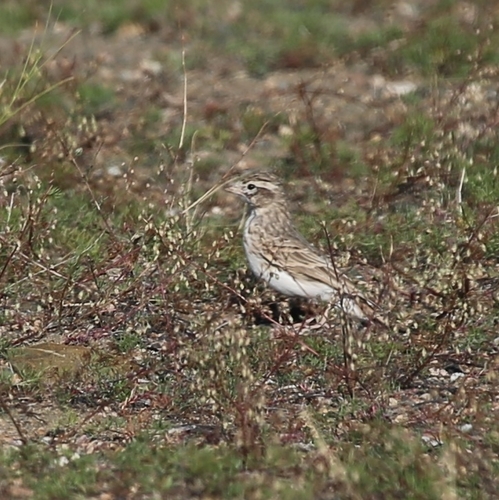 Asian Short-toed Lark
In breve
Il modo più affidabile per separare il Dunn’s Lark dall’Asian Short-toed Lark sul campo è la struttura: il Dunn’s Lark è notevolmente più robusto, con una grande testa, un becco pesante e chiaro, e ali larghe, mentre l’Asian Short-toed Lark è più snello e con un becco fine. In tutte le livree, il Dunn’s Lark mostra una parte superiore di colore sabbia chiaro con striature scure e un modello facciale distintivo, inclusi un forte supercilium chiaro e strisce moustachiali scure. L’Asian Short-toed Lark è generalmente più semplice, con meno contrasto nel viso e un aspetto complessivo più delicato. Entrambe le specie possono sembrare simili a distanza, specialmente in livrea usurata o giovanile, quindi concentrarsi sulla dimensione del becco, sulla forma della testa e sui segni facciali è fondamentale.
Consigli di identificazione
- Dimensione e colore del becco: Il Dunn’s Lark ha un becco grande, pesante, di colore rosa chiaro o giallastro, molto evidente anche a distanza. Il becco dell’Asian Short-toed Lark è più fine e meno appariscente. Questo è un separatore chiave in tutte le livree.
- Forma della testa e del corpo: Il Dunn’s Lark è robusto con una grande testa e ali larghe, dando un’impressione di robustezza e grandezza. L’Asian Short-toed Lark è più snello, con una testa più piccola e ali più strette.
- Modello facciale: Cerca il forte supercilium chiaro (sopracciglio) e l’anello oculare chiaro sul Dunn’s Lark, evidenziato da audaci strisce moustachiali e malari scure e un segno scuro sotto l’occhio. Il viso dell’Asian Short-toed Lark è molto più semplice, con meno contrasto e senza forti strisce scure.
- Striature della parte superiore: Il Dunn’s Lark mostra parti superiori di colore sabbia chiaro con striature scure distinte. L’Asian Short-toed Lark è generalmente meno striato e più uniforme sopra.
- Modello della coda: Il Dunn’s Lark ha una coda corta e larga che è nera sotto, con piume centrali di colore ruggine e piume esterne chiare sopra. Anche se non sempre visibile, questo può aiutare se visto bene. Il modello della coda dell’Asian Short-toed Lark non è descritto come distintivo.
- Parte inferiore: Entrambe le specie hanno parti inferiori chiare, ma il Dunn’s Lark mostra spesso alcune striature scure sul petto; l’Asian Short-toed Lark è tipicamente più pulito sotto.
- Usura della livrea: Dopo la muta, il Dunn’s Lark diventa più opaco e meno contrastante, ma il modello facciale rimane un buon indizio. La sottigliezza dell’Asian Short-toed Lark aumenta con l’usura, rendendo la struttura e il becco ancora più importanti.
- Comportamento: Il Dunn’s Lark può essere visto scavare per cibo con il suo becco pesante e spesso si nutre in gruppi al di fuori della stagione riproduttiva. L’Asian Short-toed Lark è meno robusto nel comportamento alimentare.
- Canto e display: I maschi del Dunn’s Lark cantano da terra o fluttuano in alto sopra di essa. Se vedi un lark fluttuare in altezza e cantare un canto graffiante e fischiato nel Sahara, è probabile che sia un Dunn’s.
- Habitat: L’habitat del profondo deserto favorisce fortemente il Dunn’s Lark; steppe, pianure saline o aperte in Asia favoriscono l’Asian Short-toed Lark. Usa la posizione come un indizio di supporto, non come un segno primario.
- Confronto diretto: Se vedi entrambe le specie insieme (improbabile in natura), il Dunn’s Lark si distinguerà come più grande, più robusto e con un marcato modello facciale.
- Trappole: I Dunn’s Lark usurati o giovanili possono sembrare meno contrastanti, ma la forma del becco e della testa rimane distintiva. L’Asian Short-toed Lark non mostra mai il forte modello facciale o il becco pesante del Dunn’s.
- Sesso e età: Non è descritto un forte dimorfismo sessuale per entrambe le specie; tutti i segni sul campo si applicano a entrambi i sessi e a tutte le età, anche se l’usura può ridurre il contrasto.
- Visioni in volo: Non sono descritte differenze uniche nel modello della parte superiore dell’ala o nel volo, quindi fai affidamento sulla struttura e sul modello facciale anche in volo.
- Quando hai dubbi: Se non riesci a vedere chiaramente il becco o il viso, e l’uccello si trova in un habitat asiatico non desertico, è più probabile che sia un Asian Short-toed Lark; nel deserto del Sahara, fai riferimento al Dunn’s Lark, ma cerca sempre di avere una vista chiara della testa e del becco.
Taglia
Il Dunn’s Lark è leggermente più grande e robusto, misurando 14–15 cm di lunghezza con un’apertura alare di 25–30 cm [wikipedia]. L’Asian Short-toed Lark è più piccolo e più delicato, anche se le misure esatte non sono fornite nelle note. In confronto diretto, il Dunn’s Lark apparirà più robusto, con una testa e un becco proporzionalmente più grandi, mentre l’Asian Short-toed Lark appare più compatto e con un becco fine.
Piumaggio
Non sono dettagliate differenze specifiche per età nel modello della parte superiore dell’ala o nel volo nelle fonti, quindi ci si concentra sulla livrea complessiva e sul modello facciale. Il Dunn’s Lark di tutte le età mostra parti superiori di colore sabbia chiaro con striature più scure, un forte supercilium chiaro (sopracciglio), anello oculare chiaro e audaci strisce moustachiali e malari scure. Le parti inferiori sono bianche con alcune striature scure sul petto. La coda è corta e larga, nera sotto, con piume centrali di colore ruggine e piume esterne chiare sopra. Dopo la muta, il Dunn’s Lark diventa più opaco e meno contrastante, ma il modello facciale rimane evidente. L’Asian Short-toed Lark è generalmente più semplice, privo del forte contrasto facciale: le sue parti superiori sono meno striate, il supercilium è meno marcato e il becco è più fine e meno chiaramente pallido. Il modello della coda non è descritto come diagnostico per l’Asian Short-toed Lark nelle note.
Comportamento
Il Dunn’s Lark si nutre spesso in gruppi al di fuori della stagione riproduttiva ed è noto per scavare per cibo con il suo becco pesante. I maschi cantano da terra o fluttuano in alto sopra di essa. Il comportamento dell’Asian Short-toed Lark non è dettagliato nelle note, ma è generalmente simile ad altri piccoli larks, foraggiando a terra e non mostrando lo stesso grado di comportamento di scavo robusto del Dunn’s Lark. Entrambe le specie sono terricole e possono essere viste camminare o correre piuttosto che saltellare.
Habitat
Il Dunn’s Lark è uno specialista del deserto, trovato attraverso il Sahara da Mauritania al Sudan centrale [wikipedia]. L’Asian Short-toed Lark si estende dal centro-sud all’Asia orientale, spesso in habitat aperti e asciutti ma non strettamente desertici; può verificarsi in steppe, pianure saline e altri terreni aperti. Se ti trovi nel profondo deserto del Sahara, è molto più probabile che sia un Dunn’s Lark; nella steppa asiatica o nelle pianure saline, ci si aspetta l’Asian Short-toed Lark. L’overlap è minimo.
Voce
Il Dunn’s Lark ha un canto graffiante e gorgheggiante con brevi frasi fischiate, emesso da terra o mentre fluttua in alto sopra (30 metri o più). Nessuna descrizione vocale è fornita per l’Asian Short-toed Lark nelle note, quindi il canto non è un separatore affidabile basato sulle informazioni attuali.
Dunn's Lark · Asian Short-toed Lark · I miei uccelli difficili