

Cooper's Hawk vs American Goshawk
Astur cooperii contro Astur atricapillus
Fai un quiz con Cooper's Hawk e American Goshawk
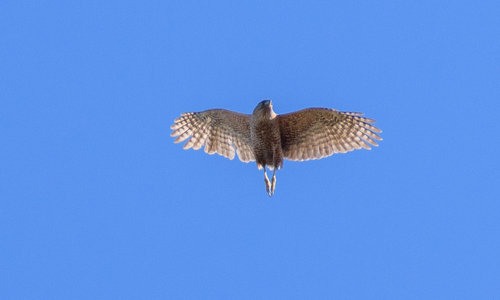 Cooper's Hawk
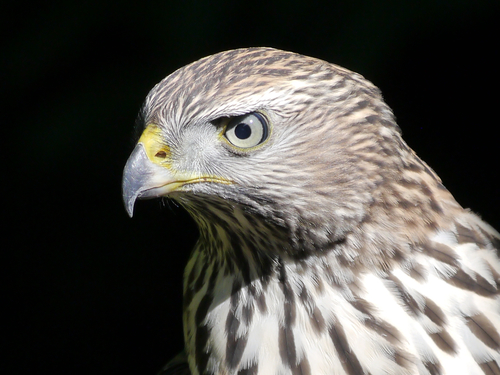 American Goshawk
In breve
Il giovane Cooper's Hawk e l'American Goshawk sono separati in modo più affidabile dal modello e dalla forma delle striature sulle parti inferiori: i giovani Cooper's Hawk mostrano striature strette a forma di goccia che si assottigliano nella parte superiore, mentre i giovani American Goshawk hanno striature verticali più pesanti e più uniformi. In volo, gli Goshawk sembrano più robusti e con ali più ampie, con una coda più corta rispetto alla dimensione del corpo, mentre i Cooper's Hawk sono più snelli con una coda proporzionalmente più lunga e più graduata. Il piumaggio adulto è più distinto: gli adulti Cooper's Hawk hanno barre rugginose sotto e un aspetto coperto, mentre gli adulti Goshawk hanno parti superiori grigie e non mostrano mai toni rugginosi sotto. Le differenze strutturali, specialmente negli uccelli in perching, sono sottili ma possono aiutare quando il piumaggio è ambiguo.
Consigli di identificazione
- Juvenile underpart streaking: I giovani Cooper's Hawk mostrano striature strette a forma di goccia che si assottigliano nella parte superiore, mentre i giovani American Goshawk hanno striature verticali più pesanti e più uniformi. Questo è il segno più affidabile in autunno e inverno.
- Juvenile face pattern: I giovani Cooper's Hawk hanno un aspetto coperto con guance fulve e una striscia nucale chiara; i giovani Goshawk mancano di questo, apparendo più con testa uniforme.
- Adult underpart color: Gli adulti Cooper's Hawk hanno barre rugginose a cannella sotto; gli adulti Goshawk non mostrano mai toni rugginosi, solo barre grigie e bianche.
- Tail shape and pattern: Il Cooper's Hawk ha una coda lunga, spesso graduata o a forma di cuneo con tre (a volte quattro nei giovani) bande scure e una punta bianca evidente. La coda del Goshawk è più corta rispetto al corpo, con meno graduazione e meno contrasto nella punta.
- Wing shape in flight: Gli Goshawk hanno ali più ampie e robuste, con battiti d'ala più profondi e lenti. I Cooper's Hawk sono più snelli, con un volo più rapido e scattante.
- Head shape: Il Cooper's Hawk ha una testa relativamente grande e quadrata con occhi posizionati in avanti; la testa del Goshawk è più ampia e robusta, ma questo può essere sottile.
- Perched wing projection: Sugli Cooper's Hawk in perching, le punte delle ali coprono meno di un terzo della coda, a volte coprendo a malapena le copritrici. Le ali del Goshawk appaiono relativamente più corte in proporzione alla coda quando sono in perching.
- Size: Il Goshawk è molto più grande e robusto; tuttavia, fare attenzione alla sovrapposizione di peso tra i piccoli maschi Goshawk e le grandi femmine Cooper's Hawk, specialmente a distanza.
- Adult crown: Gli adulti Cooper's Hawk hanno una corona bruno-nera ben definita che contrasta con una nuca più chiara, dando un aspetto coperto. Gli Goshawk hanno una testa più uniforme.
- Legs and toes: Entrambi hanno gambe e dita lunghe, ma quelle del Goshawk sono più spesse e robuste, meglio visibili da vicino.
- Habitat context: I Cooper's Hawk sono più probabili in aree suburbane o urbane, specialmente in inverno. Gli Goshawk sono più strettamente uccelli forestali tranne durante le irruzioni.
- Behavior: I Cooper's Hawk sono più probabili da vedere usando posatoi aperti (pali della luce, alberi isolati) in inverno; gli Goshawk sono più riservati e si attengono a boschi profondi.
- Sexual dimorphism: Entrambe le specie hanno femmine più grandi dei maschi, ma questo non aiuta a separare le specie.
- Aberrant plumages: Esistono individui rari pallidi o melanistici nel Cooper's Hawk, ma sono eccezionali e non un segno affidabile sul campo.
- Migration context: Gli Goshawk possono apparire più a sud durante gli anni di irruzione, ma sono generalmente meno numerosi dei Cooper's Hawk nella maggior parte del loro areale condiviso.
Taglia
L'American Goshawk è nettamente più grande e robusto del Cooper's Hawk, senza sovrapposizione nella lunghezza delle ali o della coda tra le specie, anche se un piccolo maschio Goshawk può avvicinarsi a una grande femmina Cooper's Hawk in peso. Gli Goshawk hanno un corpo più ampio, gambe più spesse e una costruzione complessiva più robusta. Il Cooper's Hawk è di dimensioni medie per un falco nordamericano, ma piccolo per un Astur, con un aspetto più snello e agile.
Piumaggio
-
Juvenile/immature: I giovani Cooper's Hawk hanno parti superiori marroni con bordi rugginosi o a cannella e un aspetto coperto a causa delle guance fulve e di una leggera striscia nucale. Le loro parti inferiori mostrano striature marroni strette a forma di goccia su una base bianca o crema, spesso nettamente definite dalla gola inferiore al petto, e la loro coda è marrone con 3–4 bande scure e una punta bianca. I giovani American Goshawk sono marroni sopra e pesantemente, uniformemente striati sotto con ampie striature marroni verticali (non a forma di goccia), e mancano di toni rugginosi o rugginosi sulle parti inferiori. Entrambi hanno basi chiare sulle parti inferiori, ma le striature del Goshawk sono più pesanti e più uniformi.
-
Adult: Gli adulti Cooper's Hawk sono blu-grigi o marrone-grigi sopra con una corona bruno-nera, barre rugginose a cannella sotto, e un aspetto coperto. La loro coda è blu-grigia sopra, chiara sotto, con tre bande nere uniformi e una punta bianca evidente. Gli adulti American Goshawk sono grigi sopra e sotto, senza colore rugginoso nelle barre, e hanno una testa più uniforme, meno coperta. Le parti inferiori dell'adulto Goshawk sono finemente barrate di grigio e bianco, mai rugginose.
Comportamento
I Cooper's Hawk sono riservati e spesso si posano all'interno della chioma, ma possono usare posatoi più aperti in inverno o nell'areale occidentale. Sono agili e veloci in volo, con ali di lunghezza moderata e lunghe code adatte per manovrare tra gli alberi. Gli American Goshawk sono più robusti, con battiti d'ala più profondi e deliberati, e appaiono più potenti in volo. Gli Goshawk sono meno probabili da vedere in aree aperte e tendono a essere più elusivi, specialmente al di fuori degli anni di irruzione.
Habitat
Entrambe le specie si trovano in habitat forestali, ma il Cooper's Hawk è più adattabile e spesso si trova in aree suburbane, parchi e persino ambienti urbani, specialmente in inverno. L'American Goshawk predilige le foreste mature ed è meno probabile da vedere in aree aperte o sviluppate, tranne durante le irruzioni o la migrazione. Nelle parti occidentali e settentrionali del loro areale, gli Goshawk sono più strettamente legati a vaste foreste.