

Common Yellowthroat vs Cape May Warbler
Geothlypis trichas contro Setophaga tigrina
Fai un quiz con Common Yellowthroat e Cape May Warbler
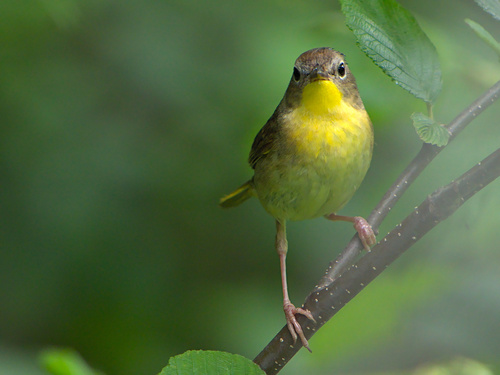 Common Yellowthroat
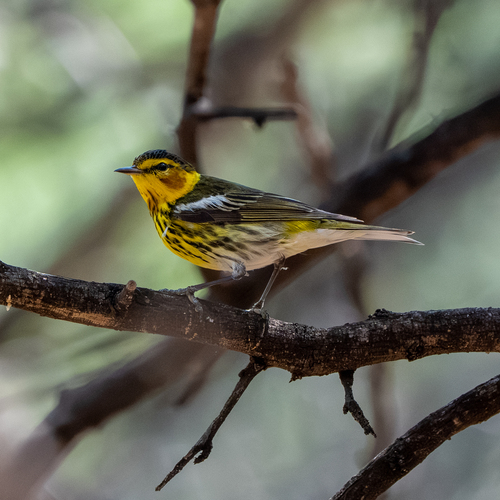 Cape May Warbler
In breve
Il segno di campo più affidabile tra Common Yellowthroat e Cape May Warbler è la presenza di una maschera facciale nera audace (maschio adulto di Common Yellowthroat) rispetto alla parte inferiore striata di giallo e alla macchia facciale castana del Cape May (maschio adulto). I Common Yellowthroat immaturi e femminili mancano della maschera ma hanno un volto semplice e sono di colore oliva sopra, mentre il Cape May Warbler di tutte le età mostra un sottocoda giallastro e almeno una debole barra alare bianca, con qualche motivo sulla testa anche negli immaturi. In volo o posati, cerca la parte inferiore striata di giallo del Cape May e la barra alare rispetto alla gola gialla semplice e al petto con parti superiori olive del Yellowthroat. Entrambi sono piccoli warbler, ma il Cape May è leggermente più grande e snello. L'habitat può aiutare: il Common Yellowthroat predilige la vegetazione bassa e densa, mentre il Cape May Warbler si trova più spesso in alto nei conifere.
Consigli di identificazione
- Face pattern (adult males): Solo i maschi adulti di Common Yellowthroat hanno una maschera nera audace bordata sopra di bianco o grigio; il Cape May non mostra mai questa maschera.
- Head pattern (Cape May): Il maschio adulto di Cape May ha una macchia facciale castana incorniciata di giallo con una striscia nera sugli occhi; le femmine/gli immaturi sono più opachi ma mostrano comunque un accenno di questo motivo, mai un volto semplice.
- Wing bar: Il Cape May Warbler di tutte le età mostra almeno una debole barra alare bianca; il Common Yellowthroat non mostra mai una barra alare.
- Yellow rump: Il Cape May ha sempre un sottocoda giallastro, visibile in volo o quando la coda viene scossa; il sottocoda del Common Yellowthroat è oliva, abbinato alla schiena.
- Underpart streaking: Il Cape May Warbler è striato sotto (in modo audace nei maschi adulti, meno nelle femmine/gli immaturi); il Common Yellowthroat è giallo semplice sulla gola e sul petto, sfumando a bianco sull'addome, senza striature.
- Bill shape: Il Cape May ha un becco leggermente più lungo e sottile rispetto al becco corto e tozzo del Common Yellowthroat; questo è sottile ma può aiutare in buone visuali.
- Tail and jizz: Il Cape May è più snello, con ali più lunghe, e spesso appare più attivo e agile nei rami degli alberi; il Yellowthroat è più rotondo, con una coda più corta, e tipicamente rimane basso.
- Flight views (immatures): In volo, il sottocoda giallo e la barra alare del Cape May sono visibili anche negli uccelli giovani; gli immaturi di Yellowthroat sono semplici, privi di questi segni.
- Sex/age pitfalls: Le femmine e gli immaturi di Common Yellowthroat hanno un volto molto semplice e mancano di qualsiasi barra alare o striature; le femmine/gli immaturi di Cape May possono essere confusi con altri warbler striati ma mostrano comunque alcune striature e una barra alare.
- Habitat: Se l'uccello si trova in vegetazione densa e bassa o in una palude, sospetta il Yellowthroat; se è in alto in un conifero o si lancia per insetti, sospetta il Cape May.
- Voice: Ascolta il forte, rotolante "twichety" del Yellowthroat rispetto al sottile, alto "tsi tsi tsi" del Cape May.
- Seasonal context: Durante la migrazione, entrambi possono essere trovati al di fuori dei loro habitat di nidificazione, ma il Cape May è più probabile che venga visto in alberi in fiore o in alto nei giardini, mentre il Yellowthroat si attiene a coperture basse.
- Behavior: Il Cape May è più probabile che venga visto cercare cibo alle punte dei rami o lanciarsi per insetti; il Yellowthroat è segreto, spesso scossa la coda e si tuffa nella copertura.
- Plumage brightness: I Common Yellowthroat del sud-ovest sono di un giallo più brillante sotto, ma mancano comunque di striature, barra alare o sottocoda gialla.
- When in doubt: Se l'uccello è striato sotto, ha una barra alare e un sottocoda giallo, è il Cape May; se è giallo semplice sotto con una maschera nera (maschio) o un volto semplice (femmina/immaturo), è il Common Yellowthroat.
Taglia
Il Cape May Warbler è leggermente più grande e snello rispetto al Common Yellowthroat, con una massa corporea di circa 10,7 g [wikidata]. La lunghezza del Cape May è di 12–14 cm e l'apertura alare di 19–22 cm [wikipedia], mentre il Common Yellowthroat è più piccolo e più compatto (massa esatta non fornita qui). Sul campo, il Cape May può apparire con ali più lunghe e più snello, specialmente quando cerca attivamente cibo nei rami degli alberi, rispetto all'aspetto più arrotondato e con coda corta di un Yellowthroat in copertura bassa.
Piumaggio
Per età e sesso:
- Maschio adulto di Common Yellowthroat: maschera facciale nera inconfondibile bordata sopra di bianco o grigio, parti superiori olive, gola e petto gialli brillanti, ventre bianco.
- Femmina/immaturo di Common Yellowthroat: senza maschera, oliva semplice sopra, gola/petto giallo, ventre bianco—volto molto semplice. I maschi di primo anno possono mostrare una debole maschera, scurendosi in primavera.
- Cape May Warbler (maschio adulto): schiena marrone, sottocoda giallastra, corona marrone scuro, gola/nuca gialla brillante, macchia facciale castana incorniciata di giallo, striscia nera sugli occhi, parti inferiori gialle con striature nere audaci, stretta barra alare bianca.
- Femmina/immaturo di Cape May Warbler: più opaca, ma mostra sempre un sottocoda giallastro, almeno una debole barra alare bianca, alcune striature sotto e un accenno di motivo sulla testa.
- In volo: il Cape May mostra sempre il sottocoda giallo e la barra alare; il Common Yellowthroat manca di entrambi, apparendo più semplice e uniforme.
- Contrasto chiave: il Cape May è striato e ha un motivo con una barra alare e un sottocoda giallo; il Common Yellowthroat è semplice sotto, con o senza maschera, e senza barra alare o sottocoda gialla.
Comportamento
Il Common Yellowthroat è spesso visto muoversi in basso nella vegetazione densa, raramente avventurandosi in alto. Scuote la coda e può apparire brevemente prima di tuffarsi di nuovo nella copertura. Il Cape May Warbler è molto più arboricolo, cercando attivamente cibo alle punte dei rami di conifere, spesso in alto nella chioma, e può lanciarsi per insetti. Il Cape May è più probabile che venga visto all'aperto, specialmente durante la migrazione, mentre il Yellowthroat è segreto e basso.
Habitat
Il Common Yellowthroat preferisce le paludi, i campi umidi e la vegetazione densa e bassa, specialmente vicino all'acqua. È raramente trovato nei rami degli alberi. Il Cape May Warbler nidifica nelle foreste conifere settentrionali ed è più spesso visto in o vicino a abeti e altre conifere, specialmente durante la migrazione quando può visitare alberi in fiore o giardini ma preferisce comunque posatoi più alti. Se vedi un piccolo warbler in canneti densi o cespugli umidi, è probabile che sia un Yellowthroat; se è in alto in un abete o un pino, il Cape May è più probabile.
Voce
Il canto del Common Yellowthroat è un forte e rotolante "twichety twichety twichety twich" e il suo richiamo è un morbido "jip" [wikipedia]. Il canto del Cape May Warbler è una semplice ripetizione di note alte "tsi", e il richiamo è un sottile "sip" [wikipedia]. Il canto del Yellowthroat è più ricco e vario, mentre quello del Cape May è più acuto e monotono. I richiami sono entrambi sottili, ma quello del Cape May è più acuto.
Common Yellowthroat · Cape May Warbler · I miei uccelli difficili