

Burrowing Owl vs Spotted Owl
Athene cunicularia contro Strix occidentalis
Fai un quiz con Burrowing Owl e Spotted Owl
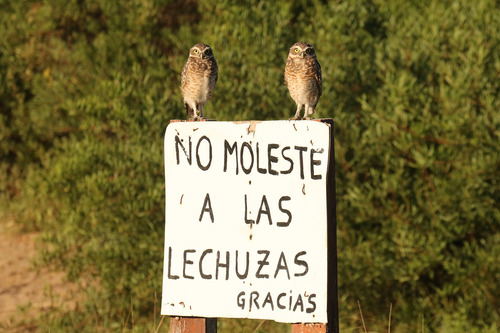 Burrowing Owl
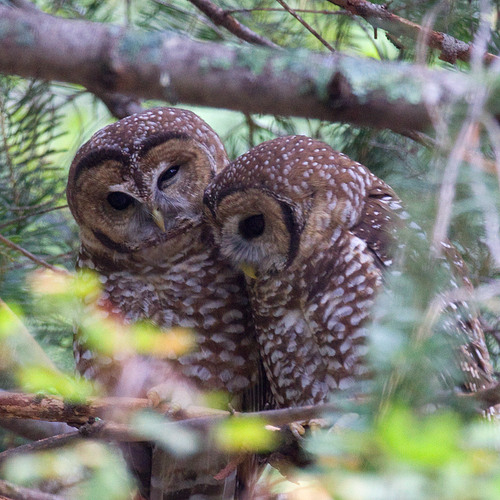 Spotted Owl
In breve
Il segno distintivo più affidabile è la dimensione e la struttura: il Spotted Owl è molto più grande e massiccio, con una testa larga e arrotondata e una coda corta, mentre il Burrowing Owl è piccolo, con zampe lunghe e spesso visto in piedi sul terreno. I giovani Burrowing Owls hanno una distintiva barra alare color crema e non presentano macchie bianche sopra, a differenza di qualsiasi età di Spotted Owl. In volo, le lunghe zampe del Burrowing Owl e la sua piccola dimensione sono evidenti, mentre il Spotted Owl appare con ali larghe e potenti. L'habitat è anche un forte indizio: il Burrowing Owl si trova in praterie aperte e campi, spesso posato a terra o su pali bassi, mentre il Spotted Owl è strettamente una specie forestale, di solito profonda in boschi di vecchia crescita e raramente visto in campi aperti.
Consigli di identificazione
- La dimensione è il primo controllo: Se il gufo è piccolo, appena più grande di un pettirosso, è un Burrowing Owl; se è grande, quasi delle dimensioni di un falco, è un Spotted Owl. Usa uccelli o oggetti vicini per scala.
- L'habitat è decisivo: Il Burrowing Owl si trova solo in paesaggi aperti, erbosi o aridi, spesso a terra; il Spotted Owl è strettamente un uccello forestale, profondo in boschi di vecchia crescita, mai in campi aperti.
- Lunghezza delle zampe e postura: Il Burrowing Owl ha zampe molto lunghe e grigioastre e sta in piedi, spesso a terra o su pali bassi. Il Spotted Owl ha zampe corte e si posiziona orizzontalmente sui rami, mai in piedi a terra.
- Segni facciali: Il Burrowing Owl mostra prominenti sopracciglia bianche e una macchia bianca sul mento; il Spotted Owl non ha questi, avendo un volto scuro e semplice.
- Schema del piumaggio (adulti): Il Burrowing Owl è marrone sopra con macchie bianche, bianco sotto con barre o macchie marroni. Il Spotted Owl è marrone scuro con macchie chiare a forma di croce sulle parti inferiori, non barre o strisce.
- Segni giovanili/immaturi: I giovani Burrowing Owls non hanno macchie bianche sopra, hanno una barra alare color crema e petti color crema. Nessun Spotted Owl di qualsiasi età mostra questa combinazione.
- In volo: Il Burrowing Owl è piccolo, con lunghe zampe che si trascinano dietro e un volo rapido e saltellante. Il Spotted Owl è grande, con ali larghe e potenti, con zampe non visibili in volo.
- Comportamento di posizionamento: Il Burrowing Owl spesso si posa a terra o su oggetti bassi in aperto; il Spotted Owl si posa in alto sugli alberi, raramente visibile se non come silhouette in una foresta densa.
- Schema di attività: Il Burrowing Owl è spesso attivo di giorno; il Spotted Owl è strettamente notturno e raramente visto alla luce del giorno.
- Sito di nidificazione: Il Burrowing Owl nidifica in tane nel terreno; il Spotted Owl nidifica in cavità degli alberi o vecchi nidi in alto sopra il terreno.
- Dimorfismo sessuale: Entrambe le specie hanno poche differenze visibili tra i sessi, ma i maschi di Burrowing Owls possono apparire più chiari a causa dell'esposizione al sole.
- Sbiancamento solare: Solo i maschi di Burrowing Owls possono apparire più chiari a causa dello sbiancamento solare; il Spotted Owl non mostra questo effetto.
- Mostra della macchia bianca sul mento: Se vedi un gufo che muove la testa e mostra una macchia bianca sul mento, è un Burrowing Owl.
- Adattamento urbano: Il Burrowing Owl può essere trovato in parchi urbani, campi da golf, o anche vicino a strade; il Spotted Owl evita paesaggi modificati dall'uomo.
- Rischio di confusione: In scarsa luce o a distanza, il Spotted Owl potrebbe essere confuso con altri grandi gufi forestali, ma mai con il piccolo Burrowing Owl che vive a terra se si notano dimensione e habitat.
Taglia
Il Burrowing Owl è molto più piccolo: 19–28 cm (7–11 in) di lunghezza, con un'apertura alare di 50.8–61 cm (20–24 in), e pesa 140–240 g (5–8 oz) [wikipedia]. Il Spotted Owl è un grande gufo: 43 cm (17 in) di lunghezza, con un'apertura alare di 114 cm (45 in), e pesa circa 600 g (1.3 lb) [wikipedia]. Questa è una differenza di dimensione drammatica—il Spotted Owl è più del doppio della lunghezza e dell'apertura alare, e quasi tre volte la massa del Burrowing Owl. Se vedi l'uccello vicino ad altre specie, il Burrowing Owl è solo un po' più grande di un American Robin, mentre il Spotted Owl è molto più grande di qualsiasi tordo o ghiandaia.
Piumaggio
I giovani Burrowing Owls sono distintivi: mancano della maggior parte delle macchie bianche sopra e delle barre marroni sotto viste negli adulti, e mostrano una barra color crema sulle ali superiori, con petti color crema piuttosto che bianchi [wikipedia]. Nessuna età di Spotted Owl mostra questo schema. Gli adulti Burrowing Owls hanno teste e ali marroni con macchie bianche, prominenti sopracciglia bianche e una macchia bianca sul mento. I Spotted Owls, al contrario, sono marrone scuro con macchie chiare a forma di croce sulle parti inferiori (non barre o strisce), e mancano dei segni facciali bianchi del Burrowing Owl. Il Spotted Owl non ha sopracciglia bianche o una macchia bianca sul mento. Entrambi i sessi sono simili in entrambe le specie, ma i maschi adulti di Burrowing Owls possono apparire più chiari a causa dello sbiancamento solare. In volo, le lunghe zampe grigioastre del Burrowing Owl sono spesso visibili che si trascinano dietro, mentre le zampe del Spotted Owl sono corte e di solito non visibili in volo.
Comportamento
Il Burrowing Owl è principalmente terrestre, spesso visto in piedi sul terreno o su posatoi bassi in aree aperte, ed è attivo sia di giorno che al crepuscolo e all'alba. Spesso muove la testa e può mostrare la sua macchia bianca sul mento quando è agitato. Il Spotted Owl è strettamente notturno, raramente visto alla luce del giorno, e caccia da posatoi in foreste dense, tuffandosi o balzando sulla preda. Il Spotted Owl non è mai visto in piedi a terra in campi aperti. Il Burrowing Owl può essere visto in colonie sparse, specialmente vicino a tane, mentre il Spotted Owl è solitario o in coppie, profondo nella foresta.
Habitat
Il Burrowing Owl si trova in habitat aperti e asciutti con vegetazione bassa: praterie, pascoli, deserti, campi agricoli, praterie aeroportuali, e anche parchi urbani o campi da golf [wikipedia]. Nidifica e si riposa in tane, spesso quelle fatte da mammiferi. Il Spotted Owl è residente in foreste di vecchia crescita o mature nel nord-ovest dell'America, nidificando in cavità degli alberi, vecchi nidi di rapaci, o crepe rocciose in alto sopra il terreno [wikipedia]. Non si trova mai in campi aperti o a terra nei campi. Se sei in una foresta, specialmente di vecchia crescita, il Spotted Owl è possibile; in praterie aperte o campi urbani, solo il Burrowing Owl è probabile.