

Blunt-winged Warbler vs Large-billed Reed Warbler
Acrocephalus concinens contro Acrocephalus orinus
Fai un quiz con Blunt-winged Warbler e Large-billed Reed Warbler
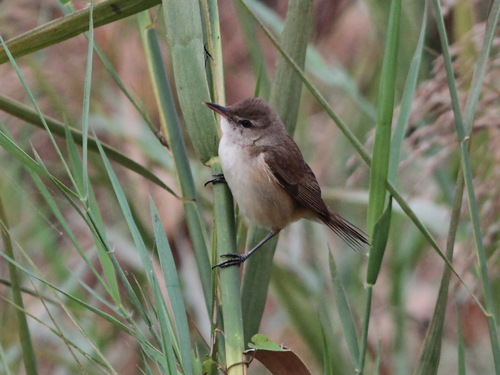 Blunt-winged Warbler
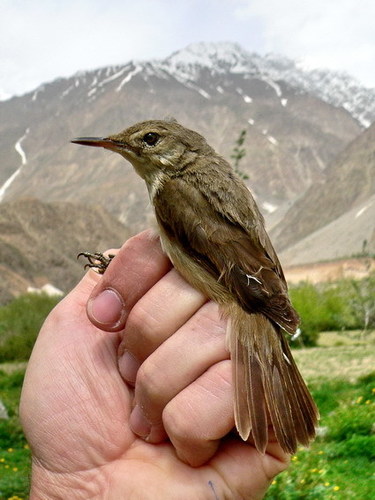 Large-billed Reed Warbler
In breve
Il segno di campo più affidabile per separare il Blunt-winged Warbler dal Large-billed Reed Warbler è la struttura della coda e del becco, specialmente negli uccelli in perlustrazione o in cerca di cibo: il Large-billed Reed Warbler mostra una coda visibilmente più lunga, più graduata e appuntita, e un becco notevolmente più grande e con una base più chiara. In volo o a riposo, il Large-billed Reed Warbler tende anche a fanned e a spargere la coda, accentuando le punte delle piume appuntite, mentre la coda del Blunt-winged Warbler appare più corta e meno graduata. Entrambe le specie sono warbler marroni semplici, ma il Large-billed Reed Warbler ha un ventre più chiaro e cremoso e parti superiori più oliva-marroni. Le differenze nel modello delle ali specifiche per i giovani o gli immaturi non sono descritte nelle fonti disponibili, quindi la struttura e la forma della coda sono i tuoi migliori indizi. Entrambi sono rari e locali sul campo, quindi il contesto è raramente utile.
Consigli di identificazione
- Tail Shape and Graduation: Il Large-billed Reed Warbler ha una coda visibilmente più lunga e più graduata con punte appuntite e lanceolate. Quando è in perlustrazione o fanned la coda, questa caratteristica è ovvia; la coda del Blunt-winged Warbler è più corta e meno graduata, con punte più arrotondate. Questo è affidabile in tutte le livree.
- Tail Fanning Behavior: Fai attenzione al Large-billed Reed Warbler che fanned e sparge attivamente la coda mentre cerca cibo—questo accentua le piume della coda appuntite e irregolari e non è tipico del Blunt-winged Warbler.
- Bill Structure: Il becco del Large-billed Reed Warbler è più lungo, più robusto e ha una mandibola inferiore più chiara e bordi taglienti, dando un'impressione di testa più pesante. Il becco del Blunt-winged Warbler è più fine e più tipico per un marsh-warbler.
- Overall Size and Jizz: Il Large-billed Reed Warbler è leggermente più grande e massiccio, con una coda e un becco più lunghi, mentre il Blunt-winged Warbler è più compatto. In confronto diretto, la differenza è sottile ma può essere vista con esperienza.
- Upperpart Color: Il Large-billed Reed Warbler ha parti superiori oliva-marroni, mentre il Blunt-winged Warbler è più uniformemente marrone, ma questa differenza è sottile e può essere influenzata dalla luce e dall'usura.
- Underpart Color: Il ventre del Large-billed Reed Warbler è distintamente chiaro e cremoso, con una parte inferiore e ascellari ancora più chiare. Le parti inferiori del Blunt-winged Warbler sono meno contrastanti, più buff o marroni.
- Tail Tip Shape: Le piume della coda del Large-billed Reed Warbler sono appuntite; quelle del Blunt-winged Warbler sono più arrotondate. Questo è meglio visibile sugli uccelli in mano o con ottime viste.
- Wing Structure: Il Large-billed Reed Warbler ha ali corte e arrotondate, che possono dare una silhouette di volo leggermente diversa, ma questa è sottile e non sempre affidabile sul campo.
- Perched Posture: Il Large-billed Reed Warbler appare spesso con una coda più lunga e un becco più pesante quando è in posizione verticale, mentre il Blunt-winged Warbler è più compatto e meno 'pesante di testa.'
- Bill Color: Cerca la mandibola inferiore chiara e i bordi taglienti sul Large-billed Reed Warbler, specialmente in buona luce; il becco del Blunt-winged Warbler è più uniformemente scuro.
- Habitat Context: Entrambe le specie si trovano in habitat paludosi o di canneto, ma il Large-billed Reed Warbler è estremamente raro e localizzato; se visto al di fuori dell'area o della stagione conosciuta, considera la probabilità di confusione.
- No Distinctive Juvenile Wing Pattern: Non ci sono segni descritti specifici per l'età sulle ali superiori o sui modelli di volo per separare i giovani o gli immaturi di queste specie, quindi fai affidamento sulla struttura e sulla forma della coda a tutte le età.
- No Reliable Vocal Differences: Non sono descritte vocalizzazioni nelle note disponibili, quindi non utilizzare il canto o il richiamo per la separazione.
- Beware of Lighting: I toni del piumaggio (olive-brown vs. plain brown) possono essere fuorvianti in scarsa luce; le caratteristiche strutturali sono più affidabili.
- Direct Comparison is Best: Se entrambe le specie sono presenti, il confronto diretto della graduazione della coda, delle dimensioni del becco e dell'aspetto generale è l'approccio più affidabile; altrimenti, concentrati sulla combinazione di coda lunga e appuntita e becco pesante per il Large-billed Reed Warbler.
Taglia
Il Large-billed Reed Warbler è leggermente più grande nel complesso, con una lunghezza totale di circa 130 mm (5 in), una coda di 58 mm (2.3 in) e un'ala di 61 mm (2.4 in) [wikipedia]. Le misure del Blunt-winged Warbler non sono specificate nelle note disponibili, ma è generalmente considerato più piccolo e più compatto all'interno di Acrocephalus. Il becco del Large-billed Reed Warbler è notevolmente più lungo (20 mm dalla bocca) e più robusto, dando un aspetto di testa più pesante rispetto al Blunt-winged Warbler, che ha un becco più tipico e fine.
Piumaggio
- Juvenile and Immature Plumage: Non ci sono differenze specifiche per l'età nel modello delle ali superiori o nei modelli di volo descritte nelle fonti disponibili per entrambe le specie.
- Adult Plumage: Il Large-billed Reed Warbler ha parti superiori oliva-marroni e porzioni visibili di ali e coda, con un ventre distintamente chiaro e cremoso e una parte inferiore e ascellari ancora più chiare. Le piume della coda sono appuntite e più acutamente lanceolate rispetto al Blunt-winged Warbler, e la coda è più ovviamente graduata (la differenza tra le piume della coda più lunghe e più corte è di circa 10 mm). Il becco è scuro sopra ma chiaro sui bordi taglienti e sulla mandibola inferiore. Il Blunt-winged Warbler è descritto solo come un tipico marsh-warbler, suggerendo parti superiori marroni semplici e meno contrasto tra le parti superiori e inferiori. Non sono notati pannelli distintivi delle ali, bordi terziali o segni di volo contrastanti per entrambe le specie.
Comportamento
Il Large-billed Reed Warbler è noto per il suo comportamento di fanned e spargere la coda mentre cerca cibo, il che accentua le piume della coda appuntite e graduate. Questo comportamento non è descritto per il Blunt-winged Warbler, che probabilmente si comporta più come un tipico Acrocephalus, muovendosi attraverso canneti e vegetazione bassa senza un evidente fanned della coda. Non sono descritte differenze specifiche nello stile di volo, ma le ali corte e arrotondate del Large-billed Reed Warbler possono dargli un volo più fluttuante e meno diretto rispetto ad altri warbler di canneto.
Habitat
Entrambe le specie sono associate a habitat paludosi o di canneto, ma le preferenze habitat dettagliate non sono descritte nelle note fornite. Il Large-billed Reed Warbler è estremamente raro e localizzato, con siti di nidificazione confermati in Asia Centrale e migrazione attraverso l'Himalaya, svernando nel nord dell'India e nel sud-est asiatico. Il Blunt-winged Warbler è un tipico marsh-warbler, probabilmente trovato in habitat umidi simili ma non è così globalmente raro o ristretto come il Large-billed Reed Warbler.
Blunt-winged Warbler · Large-billed Reed Warbler · I miei uccelli difficili