

Blue-and-white Flycatcher vs Hainan Blue Flycatcher
Cyanoptila cyanomelana contro Cyornis hainanus
Fai un quiz con Blue-and-white Flycatcher e Hainan Blue Flycatcher
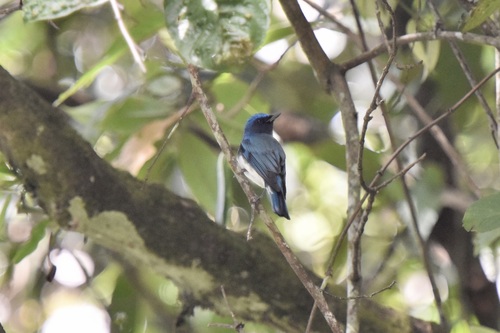 Blue-and-white Flycatcher
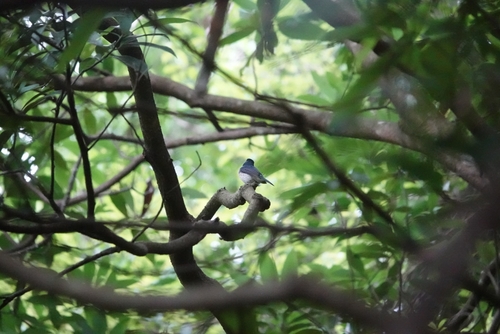 Hainan Blue Flycatcher
In breve
Il segno distintivo più affidabile tra Blue-and-white Flycatcher e Hainan Blue Flycatcher è il piumaggio del maschio: i maschi di Blue-and-white Flycatcher mostrano una parte superiore blu cobalto profondo con un viso e un petto superiori neri, in contrasto con un ventre bianco pulito e una macchia bianca prominente alla base delle piume della coda esterna. I maschi di Hainan Blue Flycatcher sono anch'essi blu sopra, ma mancano del forte viso e petto neri, e le loro parti inferiori sono di colore più uniforme senza il ventre bianco netto. Le femmine e gli immaturi di entrambe le specie sono marroni, ma le femmine di Blue-and-white Flycatcher sono più grandi e hanno un aspetto con una testa più piccola. In volo o posati, concentrati sul modello della coda e sull'estensione del blu e del bianco sulle parti inferiori per la migliore separazione.
Consigli di identificazione
- White tail patch (all ages): Blue-and-white Flycatcher mostra una base bianca prominente alle piume della coda esterna, particolarmente visibile in volo o quando la coda è aperta. Hainan Blue Flycatcher manca completamente di questa caratteristica.
- Adult male face and breast: I maschi di Blue-and-white hanno un viso e un petto neri, nettamente distinti dalle parti superiori blu profondo e dalle parti inferiori bianche. I maschi di Hainan Blue sono blu sopra ma non hanno un viso o un petto neri, e le loro parti inferiori sono meno nettamente divise.
- Underpart contrast (adult males): Il ventre e il ventro bianchi puliti e brillanti di Blue-and-white Flycatcher contrastano con il blu e il nero sopra. I maschi di Hainan Blue hanno parti inferiori di colore più uniforme, mancando del bianco netto di Blue-and-white.
- Immature male wing color: I maschi immaturi di Blue-and-white mostrano ali blu su un corpo altrimenti marrone, simile a quello delle femmine. Gli immaturi di Hainan Blue sono complessivamente marroni e non mostrano questa macchia blu sulle ali.
- Female structure: Le femmine di Blue-and-white Flycatcher sono più grandi e hanno un profilo più delicato e con una testa più piccola rispetto ad altri picchi volanti marroni, incluso Hainan Blue. Questo è sottile ma può aiutare con l'esperienza.
- Size and jizz: Blue-and-white è più robusto e con una coda più lunga, mentre Hainan Blue è più piccolo e compatto. Questo è più evidente quando entrambe le specie sono viste nella stessa area, ma può essere utile per osservatori esperti.
- Bill and head shape: Blue-and-white Flycatcher ha un becco proporzionalmente più grande e ali più lunghe, ma questi sono sottili sul campo e meglio utilizzati come segni di supporto.
- Habitat context: Blue-and-white è atteso nelle foreste temperate del nord-est asiatico, mentre Hainan Blue è un uccello delle foreste subtropicali/tropicali più a sud. I record fuori dal raggio dovrebbero richiedere cautela extra e un attento controllo dei dettagli del piumaggio.
- Song: Se sentito, il canto di Blue-and-white Flycatcher è un fischio breve e malinconico. Il canto di Hainan Blue non è descritto qui, quindi non fare affidamento su questo segno a meno che non si sia familiari con entrambi.
- Pitfalls with immatures: I maschi immaturi di Blue-and-white possono essere confusi, poiché combinano ali blu con un piumaggio altrimenti marrone. Controlla sempre la macchia bianca sulla coda e le dimensioni complessive.
- Perched vs. flight views: La macchia bianca sulla coda di Blue-and-white è più ovvia in volo o quando la coda è aperta. Se sono disponibili solo viste posate, concentrati sul modello del viso e sul contrasto delle parti inferiori.
- Seasonal context: Blue-and-white è migratorio e può apparire al di fuori del suo raggio di riproduzione durante la migrazione. Hainan Blue è più residente nel suo raggio. Considera il periodo dell'anno quando si valutano i vagabondi.
- Female confusion: Le femmine di entrambe le specie sono marroni e chiare sotto, ma le femmine di Blue-and-white sono più grandi e hanno un aspetto più delicato e con una testa più piccola. Usa dimensioni e struttura come segni di supporto.
- No reliable wing panel or upperwing pattern: Nessuna delle due specie è descritta come avente un pannello alare diagnostico o un modello di ala superiore in queste note, quindi concentrati sul contrasto della coda e delle parti inferiori.
- When in doubt: Se l'uccello manca di una macchia bianca sulla coda ed è piccolo e compatto, è più probabile che sia Hainan Blue. Se mostra una macchia bianca sulla coda ed è più grande con un viso nero (maschio), è Blue-and-white.
Taglia
Blue-and-white Flycatcher è la specie più grande, con una massa corporea media di circa 23 g e una lunghezza di 16–17 cm [wikidata][wikipedia]. Hainan Blue Flycatcher è decisamente più piccolo e più delicato, anche se qui non sono fornite misurazioni precise. Sul campo, Blue-and-white appare spesso più robusto e con una coda più lunga, specialmente rispetto al più compatto Hainan Blue.
Piumaggio
-
Adult males: I maschi di Blue-and-white Flycatcher sono blu cobalto profondo sopra, con un viso e un petto neri, e un ventre e un ventro bianchi puliti. Mostrano anche una macchia bianca prominente alla base delle piume della coda esterna, che può essere visibile in volo o quando la coda è aperta. I maschi di Hainan Blue Flycatcher sono blu sopra ma mancano del viso e del petto neri, e le loro parti inferiori sono di colore più uniforme, con meno contrasto tra gola/petto e ventre.
-
Females and immatures: Le femmine di entrambe le specie sono marroni sopra e chiare sotto, ma le femmine di Blue-and-white Flycatcher sono più grandi e hanno un profilo con una testa più piccola. I maschi immaturi di Blue-and-white hanno ali blu ma sono altrimenti marroni come le femmine, mentre i giovani Hainan Blue Flycatchers sono anch'essi marroni ma mancano della distintiva macchia blu sulle ali dei maschi immaturi di Blue-and-white. La macchia bianca sulla coda è un segno affidabile per Blue-and-white a tutte le età, specialmente in volo.
-
Flight/wing pattern: La base bianca alle piume della coda esterna è una caratteristica unica di Blue-and-white Flycatcher, visibile in volo o quando la coda è aperta. Hainan Blue manca di questo segno.
Comportamento
Entrambe le specie sono tipici picchi volanti, spesso lanciandosi da posatoi per catturare insetti. Blue-and-white Flycatcher può apparire più robusto e deliberato nei suoi movimenti, mentre Hainan Blue Flycatcher è generalmente più attivo e agile, riflettendo la sua dimensione più piccola. Tuttavia, le differenze comportamentali sono sottili e di solito non sono diagnostiche senza un confronto ravvicinato.
Habitat
Blue-and-white Flycatcher nidifica nelle foreste temperate del Giappone, della Corea, della Cina nord-orientale e dell'Estremo Oriente russo, spesso in boschi maturi. Hainan Blue Flycatcher è nativo della Cina meridionale, di Hainan e dell'Indocina, preferendo habitat forestali subtropicali o tropicali. L'overlap è minimo, ma possono verificarsi vagabondi, quindi l'habitat da solo non è sempre conclusivo.
Voce
Blue-and-white Flycatcher ha una breve serie di fischi malinconici. Non sono forniti dettagli vocali per Hainan Blue Flycatcher in queste note, quindi la voce non è un separatore affidabile qui.
Blue-and-white Flycatcher · Hainan Blue Flycatcher · I miei uccelli difficili