

Belcher's Gull vs Black-tailed Gull
Larus belcheri contro Larus crassirostris
Fai un quiz con Belcher's Gull e Black-tailed Gull
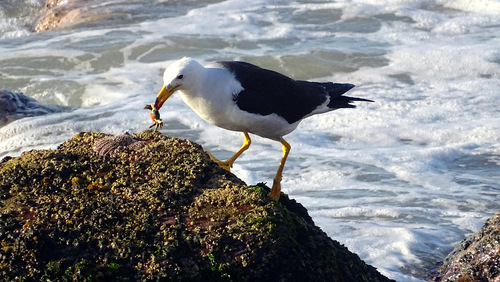 Belcher's Gull
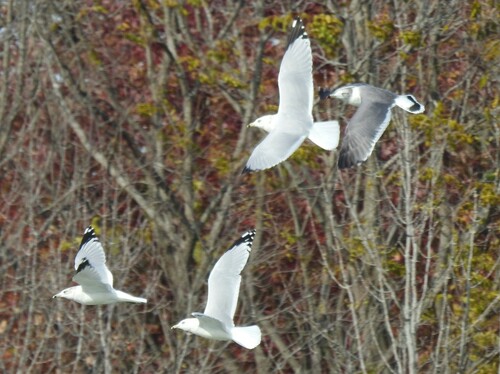 Black-tailed Gull
In breve
Il segno di campo più affidabile per separare il Belcher's Gull dal Black-tailed Gull è il modello della coda: il Belcher's adulto mostra una larga banda nera subterminale su una coda altrimenti bianca, mentre il Black-tailed Gull ha una coda nera con un bordo terminale bianco. In volo, questo modello di coda è spesso visibile anche da lontano. Entrambe le specie hanno zampe gialle e un becco giallo con segni rossi e neri sulla punta, ma differenze sottili nel colore del mantello, nel modello della testa (soprattutto al di fuori della stagione di riproduzione) e nelle dimensioni possono aiutare. Le piume immature sono impegnative, ma i modelli di coda e di ali rimangono i migliori indizi. L'habitat e l'areale sono anche forti separatori, poiché queste specie non si sovrappongono naturalmente.
Consigli di identificazione
- Tail pattern in flight (all ages): Cerca una larga banda nera subterminale su una coda per lo più bianca (Belcher's) rispetto a una coda nera con un bordo terminale bianco (Black-tailed). Questo è il segno di campo più utile.
- Mantle and back color (adults): Il Belcher's ha un mantello e una schiena di un grigio-nero più scuro, mentre il mantello del Black-tailed Gull non è descritto come particolarmente scuro. Confronta se entrambi sono presenti.
- Bill tip pattern (adults and immatures): Il Belcher's ha un becco giallo con una punta rossa e nera distintiva in tutte le piume tranne che nel giovane fresco; il Black-tailed Gull ha anche un becco giallo con rosso e nero alla fine, ma il modello può essere meno definito. Usa con cautela negli immaturi.
- Head pattern in non-breeding season: Il Belcher's sviluppa una testa marrone scuro con un anello oculare bianco, mentre la testa del Black-tailed Gull rimane bianca tutto l'anno. Questo è un forte indizio stagionale.
- Leg color: Entrambe le specie hanno zampe gialle, quindi questo non è un separatore.
- Eye color: Il Belcher's ha un occhio nero; il colore dell'occhio del Black-tailed Gull non è specificato ma non è un segno primario.
- Juvenile/immature upperwing pattern: Non completamente descritto per il Black-tailed, ma se vedi un uccello maculato marrone e bianco con una forte banda nera sulla coda, è più probabile che sia un Belcher's. Usa il modello della coda come primario.
- Size and structure: Il Belcher's è leggermente più grande e pesante, ma questo non è affidabile a meno che entrambe le specie non siano insieme.
- Behavior: Se vedi un gabbiano infastidire i cormorani per il cibo, è più probabile che sia un Belcher's. Il Black-tailed è più propenso a seguire le barche e a comportarsi in modo domestico intorno agli esseri umani.
- Vocalization: Un richiamo simile a un 'mew' di gatto è diagnostico per il Black-tailed Gull.
- Habitat and range: Il Belcher's si trova solo sulla costa pacifica del Sud America; il Black-tailed si trova solo in Asia orientale. I record fuori dall'areale sono eccezionali.
- Colony size/context: Il Black-tailed Gull spesso nidifica in colonie molto grandi e dense, specialmente in Giappone e Corea. Le colonie del Belcher's sono più piccole (fino a 100 coppie).
- Seasonal context: Se vedi un gabbiano con testa scura e un anello oculare bianco al di fuori della stagione di riproduzione, sospetta il Belcher's. Se la testa è sempre bianca, sospetta il Black-tailed.
- Association with cormorants: Il Belcher's è spesso visto con cormorani Guanay, a volte rubando cibo.
- Check for vagrancy: Se sei al di fuori dell'areale normale di entrambe le specie, ricontrolla tutti i segni di campo e considera la possibilità di un raro vagabondo, ma fai riferimento alla specie attesa.
Taglia
Entrambi sono gabbiani di taglia media, ma il Belcher's Gull è leggermente più lungo (48–54 cm) rispetto al Black-tailed Gull (46 cm), anche se il Black-tailed Gull ha un'apertura alare leggermente più ampia (126–128 cm contro circa 120 cm per il Belcher's). La massa corporea media del Black-tailed Gull è di circa 556,5 g. Sul campo, la differenza di dimensioni è sottile e non è un separatore affidabile a meno che entrambe le specie non siano affiancate. I sessi sono simili in entrambe, anche se i gabbiani Black-tailed maschi sono leggermente più grandi delle femmine.
Piumaggio
- Juvenile and immature plumages: Entrambe le specie impiegano diversi anni per raggiungere la piumaggio adulto (Belcher's in tre, Black-tailed in quattro). Il giovane Belcher's è maculato marrone e bianco, mentre il piumaggio immaturo del Black-tailed Gull non è descritto in dettaglio qui, ma entrambi mancheranno del modello di coda adulto pulito. Tuttavia, la presenza di una forte banda nera sulla coda (Belcher's) rispetto a una coda più estensivamente nera con una punta bianca (Black-tailed) può comunque essere utile negli immaturi più anziani.
- Adult breeding plumage: Il Belcher's ha una testa bianca, un collo grigio molto chiaro, parti inferiori bianche e un mantello e una schiena grigio-neri scuri. La coda è bianca con una larga banda nera subterminale e un bordo bianco. Il Black-tailed Gull ha una testa e parti inferiori bianche simili, ma la coda è nera con un bordo terminale bianco. Entrambi hanno zampe gialle e un becco giallo con una macchia rossa e nera sulla punta, ma la punta del becco del Belcher's è più distintivamente rossa e nera, mentre quella del Black-tailed è rossa e nera alla fine.
- Non-breeding plumage: Il Belcher's sviluppa una testa marrone scuro con un anello oculare bianco, mentre il Black-tailed Gull mantiene una testa bianca.
Comportamento
Entrambe le specie sono onnivore e opportunistiche, nutrendosi di pesci, molluschi, crostacei e carogne. Il Belcher's Gull è noto per infastidire i cormorani per il cibo rigurgitato, mentre il Black-tailed Gull spesso segue le navi e le flotte di pesca ed è molto domestico in alcune aree. Entrambi nidificano in colonie, ma il Black-tailed Gull è particolarmente noto per grandi colonie dense in siti tradizionali in Giappone e Corea. Sul campo, il comportamento non è un forte separatore a meno che tu non osservi le uniche abitudini kleptoparassitarie del Belcher's con i cormorani.
Habitat
Il Belcher's Gull è strettamente costiero lungo il Pacifico del Sud America, preferendo coste rocciose, baie e isole al largo, raramente avventurandosi lontano nell'entroterra. Il Black-tailed Gull è nativo delle coste dell'Asia orientale, nidificando su isole e coste del Giappone, della Corea e delle regioni vicine, ed è molto raro al di fuori di questo areale. Se sei al di fuori di queste regioni, la vaganza è possibile ma estremamente improbabile. L'habitat da solo può spesso escludere la confusione a meno che non si osservi un vagabondo.
Voce
Il Black-tailed Gull è famoso per il suo richiamo simile a un 'mew' di gatto, che è distintivo e frequentemente udito, specialmente nelle colonie. Le vocalizzazioni del Belcher's Gull non sono descritte in dettaglio qui, ma non sono notate come simili a quelle di un gatto. Se senti un miagolio ripetuto e nasale, è probabile che sia un Black-tailed Gull.
Belcher's Gull · Black-tailed Gull · I miei uccelli difficili