

Banded Bay Cuckoo vs Lesser Cuckoo
Cacomantis sonneratii contro Cuculus poliocephalus
Fai un quiz con Banded Bay Cuckoo e Lesser Cuckoo
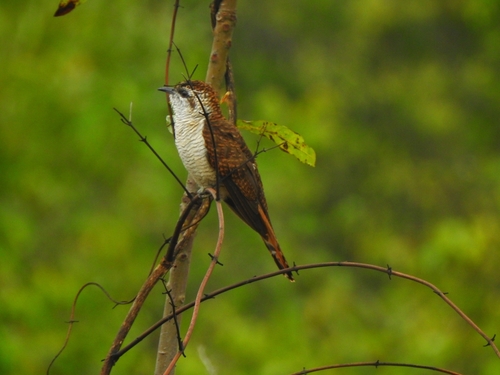 Banded Bay Cuckoo
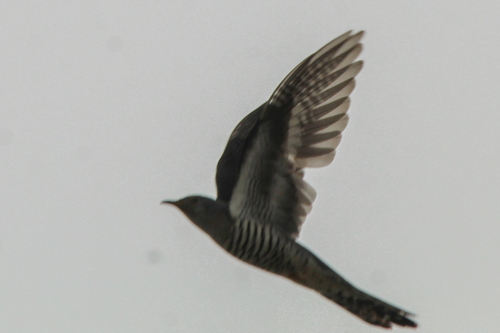 Lesser Cuckoo
In breve
Il segno di campo più affidabile per separare il Banded Bay Cuckoo dal Lesser Cuckoo è il bold white supercilium (sopracciglio) e le parti superiori rufous fortemente barrate del Banded Bay Cuckoo, che contrastano con l'aspetto molto più semplice, meno rufous e più uniformemente grigio del Lesser Cuckoo. I giovani Banded Bay Cuckoos mostrano anche frange bianche sulle piume e un mandibile inferiore pallido, mentre i giovani Lesser Cuckoo mancano di queste caratteristiche. In volo o posati, la coda del Banded Bay Cuckoo è distintamente barrata con una banda nera subterminale e punte bianche, a differenza della coda più uniforme del Lesser Cuckoo. Anche la struttura aiuta: il Banded Bay Cuckoo ha un becco più lungo, leggermente ricurvo e un aspetto generalmente più compatto e con coda corta. I richiami sono molto diversi, con il Banded Bay Cuckoo che emette un fischio acuto a quattro note, mentre il canto del Lesser Cuckoo è una frase classica ripetuta 'cuckoo'.
Consigli di identificazione
- White supercilium (sopracciglio): Il Banded Bay Cuckoo mostra sempre un bold white eyebrow sopra una linea scura dell'occhio; il Lesser Cuckoo manca di questo, avendo un volto semplice. Questo è visibile sugli uccelli posati di tutte le età.
- Rufous e parti superiori barrate: L'adulto Banded Bay Cuckoo è di un rufous brillante o bay sopra con ampie barre scure sulla testa e sulla schiena; il Lesser Cuckoo è molto più semplice e grigio o bruno sopra, con poche o nessuna barra.
- Pattern della coda: Il Banded Bay Cuckoo ha una coda graduata con un centro marrone scuro, una banda nera subterminale e punte bianche sulle piume. La coda del Lesser Cuckoo è più uniforme, priva di barre audaci e punte bianche. Questo è visibile sia negli uccelli posati che in volo.
- Segni giovanili: Il giovane Banded Bay Cuckoo mostra frange bianche sulle piume del corpo superiore e un mandibile inferiore pallido, che sono assenti nei giovani Lesser Cuckoo. Cerca questi segni sugli uccelli giovani a fine estate o inizio autunno.
- Forma del becco: Il Banded Bay Cuckoo ha un becco lungo, leggermente ricurvo con un mandibile superiore nera e una base grigio-verde per il mandibile inferiore (pallido nei giovani). Il becco del Lesser Cuckoo è più corto e dritto.
- Parti inferiori: Il Banded Bay Cuckoo ha parti inferiori bianche con fini striature; il Lesser Cuckoo è più uniforme sotto, privo di striature fini.
- Colore dell'iride: Il Banded Bay Cuckoo ha un'iride gialla; l'iride del Lesser Cuckoo è solitamente scura, ma questo è difficile da vedere sul campo.
- Colore delle zampe: Il Banded Bay Cuckoo ha tarsi grigi; questo non è un segno di campo forte ma può aiutare in visioni ravvicinate.
- Struttura generale: Il Banded Bay Cuckoo è compatto e con coda corta rispetto al Lesser Cuckoo, che ha ali leggermente più lunghe e un aspetto più snello.
- Comportamento di posarsi: Il Banded Bay Cuckoo spesso canta da rami esposti, specialmente durante la stagione di nidificazione; il Lesser Cuckoo è più riservato e meno propenso a posarsi apertamente.
- Habitat: Se in una foresta collinare ben alberata nel subcontinente indiano durante il monsone, è più probabile avvistare il Banded Bay Cuckoo; il Lesser Cuckoo è più migratorio e diffuso, specialmente in Asia orientale e negli Himalaya.
- Voce: Il fischio a quattro note del Banded Bay Cuckoo è molto diverso dal canto classico 'cuckoo' del Lesser Cuckoo. Se senti il richiamo, l'identificazione è semplice.
- Stagionalità: Il Banded Bay Cuckoo è spesso presente in India durante il monsone, mentre il Lesser Cuckoo è un visitatore estivo degli Himalaya e trascorre l'inverno in Africa e Sri Lanka.
- Sessi: Entrambe le specie sono sessualmente monomorfiche; non fare affidamento sulle differenze sessuali per l'identificazione.
- Trappole: Le forme epatiche (rufous) di altri Cacomantis cuckoos possono assomigliare al Banded Bay Cuckoo, ma il Lesser Cuckoo non mostra queste forme epatiche o barre forti. Controlla sempre il white supercilium e il pattern della coda.
Taglia
Entrambe le specie sono simili in lunghezza complessiva (circa 22 cm per il Banded Bay Cuckoo) e sono cuculi di dimensioni piccole a medie. Il Banded Bay Cuckoo è di dimensioni simili ad altri cuculi Cacomantis, mentre il Lesser Cuckoo è anch'esso piccolo ma può apparire leggermente più snello e con ali più lunghe. Non c'è una forte differenza di dimensioni da utilizzare sul campo; la struttura e il piumaggio sono più affidabili.
Piumaggio
Il giovane Banded Bay Cuckoo è distintivo con frange bianche sulle piume del corpo superiore e un mandibile inferiore pallido; queste caratteristiche non sono presenti nei giovani Lesser Cuckoo. Gli adulti del Banded Bay Cuckoo sono di un rufous brillante o bay sopra, con barre scure audaci sulla testa e sulla schiena, e un prominente white supercilium sopra una linea scura dell'occhio. L'ala è più scura, e la coda è graduata con un centro marrone scuro, una banda nera subterminale e punte bianche. Le parti inferiori sono bianche con fini striature. Al contrario, gli adulti del Lesser Cuckoo sono molto più semplici, con parti superiori grigio o bruno, privi del forte rufous e delle barre, e non mostrano un white supercilium. La loro coda è meno distintamente marcata, priva delle barre audaci e delle punte bianche. I sessi sono simili in entrambe le specie, ma il patterning del Banded Bay Cuckoo è sempre più evidente.
Comportamento
Entrambi sono parassiti di nidi e possono essere visti singolarmente o cantando da posatoi esposti. I maschi del Banded Bay Cuckoo cantano spesso da rami prominenti durante la stagione di nidificazione, e la loro ricerca di cibo coinvolge sia la raccolta che attacchi aerei per gli insetti. Il Lesser Cuckoo è anche spesso sentito piuttosto che visto, ma tende a essere più riservato e meno propenso a posarsi all'aperto per lunghi periodi. Lo stile di volo non è fortemente contrastato nelle note, ma il Banded Bay Cuckoo può apparire più compatto e con coda corta.
Habitat
Il Banded Bay Cuckoo si trova in aree ben alberate, principalmente nelle colline basse e nelle foreste del subcontinente indiano e del sud-est asiatico. È più spesso visto nelle foreste collinari ed è parziale a coperture dense. Il Lesser Cuckoo è nativo dell'Asia orientale e degli Himalaya, svernando fino all'Africa orientale e a Sri Lanka, ed è più migratorio. Può essere trovato in una varietà di habitat boschivi, ma è meno legato a terreni collinari rispetto al Banded Bay Cuckoo. È possibile una sovrapposizione in Sri Lanka e in alcune parti degli Himalaya, ma il Banded Bay Cuckoo è più probabile nelle foreste collinari, specialmente durante il monsone.
Voce
Il Banded Bay Cuckoo emette un fischio distintivo, acuto a quattro note, trascritto come 'wee-ti wee-tee' o 'smoke-yer-pepper', con ogni nota che scende di tono. Il canto del Lesser Cuckoo è una frase classica ripetuta 'cuckoo', molto diversa in ritmo e tono. La voce è un separatore altamente affidabile se ascoltata bene.
Banded Bay Cuckoo · Lesser Cuckoo · I miei uccelli difficili